


stealth maritime : Multiple new period charters for the company’s crude and product tanker fleet
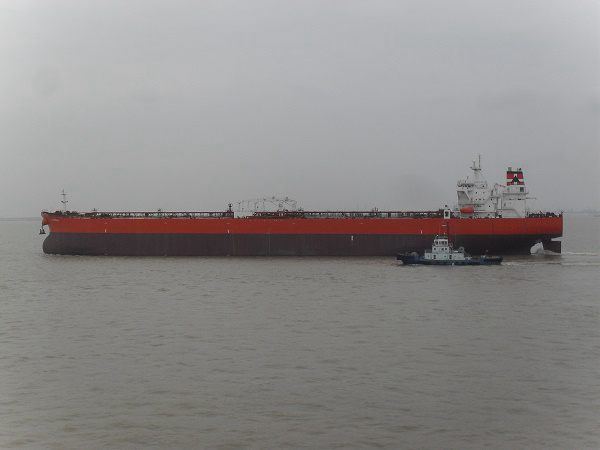
Signal puma fixed till 2020 to signal (thenamaris)
 |
Signal cheetah fixed till march 18 to signal (thenamaris)
Stealth norvic fixed till q1 19 to norvic
Stealth berana fixed to bergshav till feb 18
Sea delta fixed till jan 18 to signal (thenamaris)
Stealth falcon till feb 19 to falcon
Magic wand to ruihai till feb 18
Alnic MC fixed to trafigura till may 18
T REX fixed to R shipping till oct 17
 |
Lone star fixed to champion till oct 17
Epiphany fixed to MTMM till oct 17
Stealth bahla fixed to the omani oil compay till august 17
Aquadisiac fixed to Koch till july 17
Sea hymn fixed to trafigura till july 17
Cs zephyr fixed to vitol till june 17
So during the last few months the commercial team has done 15 new tanker charters (7 bareboats and 8 time charters!)
 |
The CEO of stealth maritime corp. mr Lambros babilis commented:
‘we are extremely pleased to have secured employment for 75 pct of our fleet with first class charterers at a time where spot rates and ship values are declining… our conservative strategy of fixing the majority of our tanker fleet on period employment combined with low leverage has shielded the company during the challenging periods and has provided stability of earnings and visibility for our shareholders and lenders’
Capital Ship Management Corp. demonstrates commitment to a sustainable maritime industry with MRV assessment from LRQA
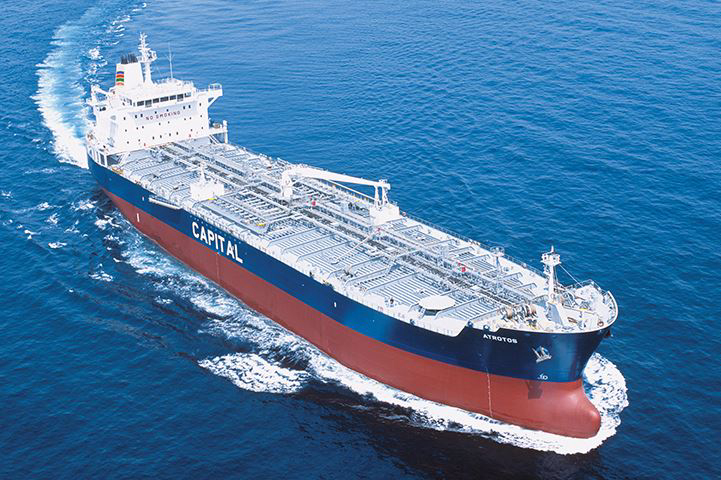
On March 7 2017, Capital Ship Management Corp. (Capital) completed the first accredited assessment of their MRV monitoring plan for the vessel M/T ‘Alkiviadis’. The assessment was performed by the world’s leading provider of professional assurance services, LRQA, which is a member of the Lloyd’s Register group (LR).
The assessment was conducted in accordance with Regulation (EU) 2015/757 (monitoring, reporting and verification of Carbon Dioxide (CO2) from shipping activities), also known as MRV Regulation. The MRV Regulation came into force on 1st July 2015 and is a significant feature of the European Union’s commitment to reduce greenhouse gas emissions.
It was announced on 1st March 2017 that LRQA was among the first group of verification bodies to receive accreditation against ISO 14065, permitting the global delivery of assessment and verification services related to the MRV Regulation. The assessment of Capital Ship Management Corp. vessel M/T ‘Alkiviadis’ was undertaken by the LRQA Piraeus office.
Evangelos Marinakis, Chairman of Capital Maritime & Trading Corp.said: “Once again, this achievement reflects our company’s strategy and commitment to be proactive in moving towards a sustainable maritime industry”.
LRQA’s Dr Kirikos Faraklas said: “This initiative shows the commitment of Capital Ship Management Corp. to being one of the leading pioneers in environmental and energy efficiency matters.”
About LRQA 
LRQA is a member of the Lloyd’s Register group. LRQA is a leading independent provider of professional assurance services including assessment, certification, validation, verification and training across a broad spectrum of standards, schemes and business improvement services to include customised training and assurance programmes
About Lloyd's Register
Lloyd’s Register (LR) is a global engineering, technical and business services organisation wholly owned by the Lloyd’s Register Foundation, a UK charity dedicated to research and education in science and engineering. Founded in 1760 as a marine classification society, LR now operates across many industry sectors, with some 8,000 employees in 78 countries.
LR has a long-standing reputation for integrity, impartiality and technical excellence. Its compliance, risk and technical consultancy services give clients confidence that their assets and businesses are safe, sustainable and dependable. Through our global technology centres and research network, LR is at the forefront of understanding the application of new science and technology to future-proof our clients’ businesses.
About Capital Ship Management Corp.
Capital Ship Management Corp. (a subsidiary of Capital Maritime & Trading Corp.) is a distinguished oceangoing vessel operator, offering comprehensive services in every aspect of ship management, currently operating a fleet of 57 vessels with a total dwt of 6.06 million tons approx. The fleet under management includes the vessels of Nasdaq-listed Capital Product Partners L.P.
ESPO Conference 2017: register now and be part of this major EU port event!

The European Sea Ports Organisation (ESPO) is inviting its members, policy makers and stakeholders to join the 14th edition of its annual conference, which will be hosted by the Port of Barcelona. The event will take place on 1 and 2 June 2017 in the World Trade Center, nicely located at the seafront and within a stone’s throw from the Ramblas.
Trust us, you do not want to miss this 14th edition. Here are six reasons:
1° The Theme: ESPO opens the debate on what are probably the most challenging problems of today: the changing climate and the rising economic nationalism.
How to become a low-carbon port? How much time do we need for the energy transition? Are European ports and their infrastructure prepared for the storm? How far can a port authority go in enforcing low-carbon engagement?
How disruptive can new trade barriers be for ports? Is the business model of European ports changing? How to look at this rising economic nationalism at a time where the shipping lines, logistic operators and terminal operators are increasingly joining forces and setting up alliances? Should ports follow the example of their customers and join forces?
2° The Commissioner: we are honoured to welcome EU Commissioner for Transport, Violeta Bulc, to our conference. At many occasions, the Commissioner has proven to be an engaged speaker and participant in conferences and debates. ESPO members are looking forward to enter into the debate with the Commissioner.
3° Professor Jonathan Holslag: “Globalisation is under threat. As economic recovery remains very fragile, nationalism is on the rise and new major wars loom. This is a moment for ports to reflect. Uncertainty brings a greater need for diversification and efficiency. Yet, ports too must reflect about how commerce can generate more tangible benefits for the societies they serve. Ports, after all, will only flourish as long as their hinterland thrives.” Are you also eager to hear more?
4° Many other remarkable speakers: two months before the event, a host of exciting and informative speakers are already confirmed and there is yet more to come. The confirmed speakers are:
Alan MURPHY, CEO and Partner, SeaIntel Maritime Analysis; Tim POWER, Managing Director, Drewry; Alvaro RODRÍGUEZ DE SANABRIA, The Climate Reality Project, Europe Branch, Regional Coordinator; Laurence GRAFF, Head of Unit, DG CLIMA, European Commission; Dario Bocchetti, Energy Manager, Grimaldi; Sergio BARBARINO, Research Fellow of Procter & Gamble Research & Development organization and Chairman of ALICE, the EU Innovation Platform for Logistics; Tom WOOD, BSc (Hons) MSc CEnv C.WEM; Rosa MARI DARBRA, Associate Professor at the Polytechnic University of Catalonia; Prof Robert NICCHOLS, Tyndall Centre for Climate change Research; Frank VERSCHRAEGEN, Project Manager Energy & Blue Growth, DEME; Ewald BREUNESSE, Manager Energy Transition Shell The Netherlands; David WHITEHEAD, OBE; Dr. Christopher WOOLDRIDGE, Science Coordinator, EcoPorts; Sotiris RAPTIS, Ecoports Coordinator and Senior Advisor, ESPO; Frans DE KRUIF, Lead Assessor, Project Specialist, Lloyd Register; Olaf MERK, Ports and shipping expert of the International Transport Forum at the OECD; Dirk Sterckx, former journalist and former Member of the European Parliament; Merja KYLLÖNEN, Member of the European Parliament; Ramon TREMOSA, Member of the European Parliament; Daniela ROSCA, Head of Unit, Ports and Inland Waterways, DG MOVE, European Commission; Knut FLECKENSTEIN, Member of the European Parliament.
These panellists will enter in a debate with the ports. The following port representatives are already getting ready for the debate:
Eamonn O'REILLY, CEO, Port of Dublin and ESPO Chairman; Sixte CAMBRA I SÁNCHEZ, President, Port of Barcelona; Edvard MOLITOR, Senior Manager Environment, Port of Gothenburg, Chairman Sustainable Development Committee, ESPO; Roger SCHJERVA, Head of the Board, Port of Oslo; Francesco Maria DI MAJO, President, Port of Rome; Christine CABAU, CEO, Port of Marseille ; Gisli GISLASON, Port Director, Associated Icelandic Ports; Patrick KEATING, CEO Shannon Foynes Port Company; Carlos BOTANA LAGARON, Head sustainability Department, Port of Vigo; Clemence CHENG, Divisional Head, Hutchison Westports Limited; Jens MEIER, Managing Director, Hamburg Port Authority; Victor SCHOENMAKERS, Director Corporate Strategy, Port of Rotterdam; Jacques VANDERMEIREN, CEO, Port of Antwerp; Santiago GARCIA-MILÀ, Deputy Executive Director, Port of Barcelona; Daan SCHALCK, CEO, Port of Ghent.
5° The EcoPorts birthday cake: this ESPO conference will mark the 20th anniversary of the EcoPorts network, a network within ESPO gathering ports that are proactive in the field of environment.
6° The “Casa Llotja de Mar” (see picture below): for this year’s conference dinner, our host, the Port of Barcelona, is taking us to one of the most significant and splendid monuments representing the economy and culture of Barcelona, located on the seafront in the historical centre of Barcelona. It was built in the second half of the 14th century, the most brilliant period of Catalan Gothic. The antagonism of styles makes Casa Llotja a historical and artistic monument of immense architectural value. The halls and rooms are decorated mainly with 18th and 19th century sculptures and paintings made by students and professors of the Academy of Fine Arts.
So do not miss this conference, register now for the ESPO Conference 2017 and book your room as soon as possible in one of the conference hotels, if you want to benefit from the specially arranged rates. The ESPO Conference coincides with the start of the touristic season in Barcelona, so it will be quite busy!
YES to Sea Tourism Forum
We strongly believe that the dialogue which began at Posidonia 2016 must continue and we hope that even more people will be motivated to support our vision and efforts.
YES to Sea Tourism Forum aims to serve as a platform of open dialogue between young promising executives and the Decision Makers from the Shipping & Tourism Industry, enabling them to exchange views.
Topics to be discussed at YES to Sea Tourism Forum will deal with cruising, tourism, yachting, passenger ferries and logistics. The Delegates will once again be able to submit their questions at the registration and during the Forum through conferience, the live application. The participants will also have the opportunity to become acquainted with the International Conference & Exhibition of Posidonia Sea Tourism Forum, as well as exercising their networking skills.
The indicative program you can find here.
Participation in YES to Sea Tourism Forum will be free of charge. Submit your question and register now at http://yes-forum.com/registration/
#say_yes_to_sea_tourism
Nakilat transitions LNG Mesaimeer to in-house management
 |
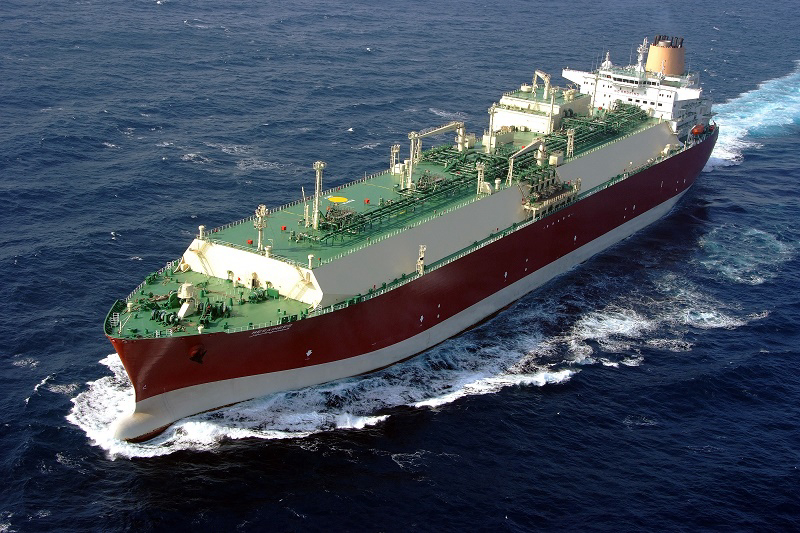
With a cargo carrying capacity of 216,312 cubic meters, Mesaimeer is wholly-owned by Nakilat and chartered by Qatargas. The vessel built in South Korea by Hyundai Heavy Industries was delivered in March 2009 and has been in service ever since.
Mesaimeer is the sixth wholly-owned LNG vessel that will come under the management of Nakilat Shipping Qatar Ltd. (NSQL), bringing the total number of vessels managed by NSQL to 14, comprising of 10 LNG and 4 LPG carriers.
About Nakilat
Nakilat is a Qatari LNG transport company providing an essential transportation link in the State of Qatar’s LNG supply chain. Its LNG shipping fleet is the largest in the world, comprising of 63 LNG vessels. Nakilat also owns and manages four large LPG carriers. Nakilat operates the ship repair and construction facilities at Erhama Bin Jaber Al Jalahma Shipyard in Ras Laffan Industrial City via two strategic joint ventures: N-KOM and NDSQ. Nakilat also offers a full range of marine support services to vessels operating in Qatari waters. For more information visit: www.nakilat.com.qa
Meeting The Global Standard For Ballast Water Discharge
This key piece of environmental legislation will enter into force on 8th September 2017 and the ramifications for the fleet are significant. Thousands of ships will require costly technology and elevated levels of demolition are expected as compliance dates approach.
The Final Stand-ard
The IMO’s Ballast Water Management Convention aims to prevent the spread of harmful and invasive species via ships’ ballast water and requires that vessels install approved ballast water management systems (BWMSs). However, technology and installation costs are significant and range from anything between $0.5m to $3m per ship. Currently, around 3,900 vessels in the fleet are reported to have a BWMS. Bulkers, tankers and boxships account for 70\% of these. A much higher proportion of the orderbook is compliant, around 16\%, and most ships on order have provisions for BWMSs.
Ships constructed after the convention enters into force on 8th September 2017 must comply upon delivery while most existing ships will have until the first renewal of their International Oil Pollution Prevention certificate (IOPPC) to comply. This typically occurs during a ship’s 5-year Special Survey but, depending on the flag administration, the IOPPC can be ‘de-harmonised’ and renewed separately. This could delay compliance dates, an attractive option in weak shipping markets, especially as only three systems currently have USCG ‘Final Approval’, which enables ships to sail in US waters.
Fleet Management
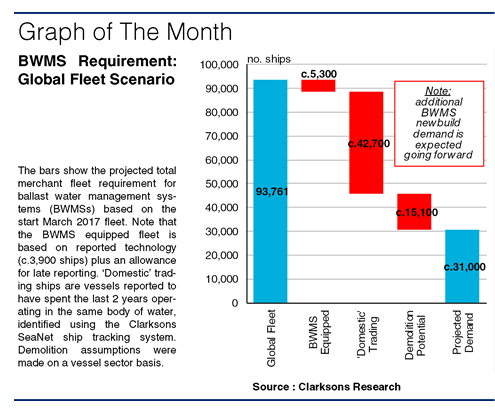
The graph illustrates one potential scenario for BWMS retrofit demand across the global merchant fleet. Excluding c.5,300 ships estimated to have BWMSs (including allowances for late reporting) and around 43,000 ships engaged in ‘domestic’ trading, as these are likely to be exempt from the convention because they operate within one body of water, approximately 46,000 ships require a BWMS. However, BWMS retrofit is costly and can be technically difficult for older ships and this may push owners to scrap as compliance dates near. With a rough assumption that ships of 20+ years will be recycled rather than retrofitted, BWMS retrofit demand falls to c.31,000 ships.
Ballasting Ahead
Clearly, this high-level scenario is very sensitive to the assumptions made and BWMS retrofit demand could be much higher or lower in reality. Overall, however, the number of ships requiring BWMSs is likely to be considerable and how the compliance schedule is phased will be very important. Whether there is sufficient docking and engineering capacity is another concern, and the potential for installation ‘bottlenecks’ appears to be high.
The ratification of the Ballast Water Management Convention has significant implications for the shipping industry. Compliant technology can be costly and older ships are likely to be recycled, especially given the current weak earnings environment. Even with increased demolition, thousands of existing ships are still estimated to require BWMSs and meeting this requirement will be challenging.
Source: Clarkson Research Services
DHY Holdings, announces acquisition of 11 VLCCs
 |
Following BW Group's delivery of all vessels and novation of newbuilding contracts to DHT, BW Group Limited and its affiliates will own approximately 33.5\% of DHT's outstanding share capital and will be granted customary rights, including the right to appoint two directors to DHT's board.
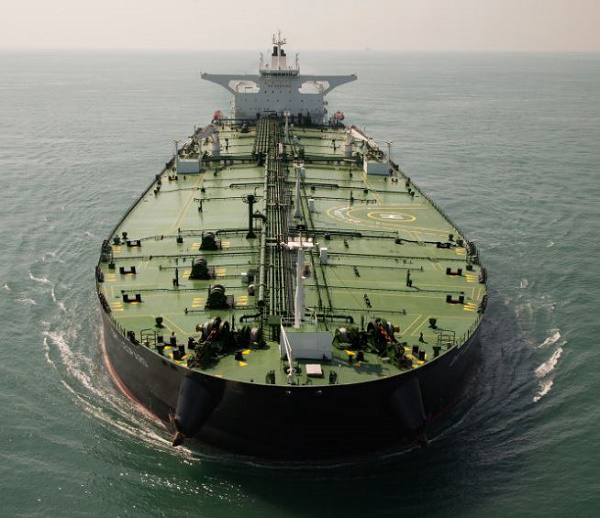
DHT expects that BW Group's VLCC fleet will be delivered during the second quarter of 2017. As a result of the acquisition, DHT will have a fleet with an average age of 6.9 years, consisting of 30 VLCCs (including four newbuildings for delivery in 2018), and two Aframaxes.
BW Group's CEO Carsten Mortensen said: "DHT Holdings is a leading crude oil tanker company in the maritime industry. DHT already has a modern and high quality fleet, and the addition of BW's 11 VLCCs including newbuildings will make the company one of the world's largest independent VLCC owners. We look forward to being a shareholder in this strong tanker platform".
DHT's Co-CEOs Trygve P. Munthe and Svein Moxnes Harfjeld commented: "This is a great transaction for DHT and its shareholders. It is projected to be accretive to DHT's earnings and will deliver cost synergies by lowering G&A expenses per ship. Importantly, it will further improve our already competitive cash break even levels. We have identified this as a time to expand again and this acquisition signifies our ability to execute on our plans. The BW Group has a long history and a strong track record in the VLCC market, and they are aligned with our business model and strategy. We are truly excited about our new shareholder and their support of our growth strategy."
DHT HOLDINGS
The Republic of the Marshall Islands Registry Now World’s 2nd Largest
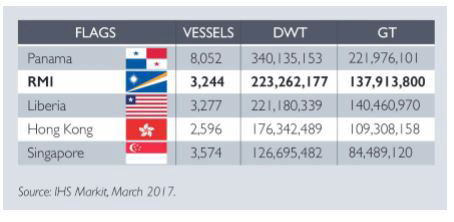
International Registries, Inc. and its affiliates (IRI) have provided administrative and technical support to the RMI Registry since 1990.
 |
“This is a very significant milestone for the RMI Registry,” said Bill Gallagher, President, IRI.
“A strong legislative framework, customer driven service ethos, and a commitment to quality have all been key to our continued success,” he continued.
“From long-standing traditional shipowners, particularly our standing as the number one flag for Greek owners, to a new wave of Chinese leasing companies, the RMI Registry is the registry of choice for owners looking for an innovative and quality driven partner,” he stated.
The RMI is not only the world’s second largest registry, but the Greek shipping industry’s leading flag as well. The RMI has been gaining market share year-on-year and the flag today has 791 ships totaling 62,190,301 DWT (over 18.9\% of total DWT of the Greek owned fleet) in its registry, making it the largest flag used by Greek controlled ships.
"Our office in Piraeus is the second largest of the RMI Registry's 27 worldwide offices," said Theo Xenakoudis, Director, Worldwide Business Operations and Managing Director of the Piraeus office.
"Prior to registration, we vet the owner, operator and vessel before acceptance in the RMI Registry and during the vessel's time in the Registry we continue to conduct risk assessments and work with our owners and operators to ensure their vessels meet the Registry's quality standards," continued Mr. Xenakoudis.
"This process along with our service oriented philosophy has ensured the RMI Registry has maintained its excellent reputation and as such has attracted quality owners, including the Greek owners to the RMI flag," he said.
"We are delighted that our Greek owners and operators continue to hold the RMI Registry in such high regard which has been reflected in the Greek Shipping Co-operation Committee's March 2017 Greek Controlled Shipping Report which shows the RMI as the number one choice of flag for Greek owners and operators," he continued.
In another late breaking development, the RMI Registry has received preliminary confirmation that it will continue its United States (US) Coast Guard (USCG) Qualship 21 status for 2017. The announcement was made during Intertanko’s North American Panel meeting, which meets prior to the beginning of the Connecticut Maritime Association’s (CMA’s) Shipping 2017 conference in Stamford.
“This is the 13th year in a row that the RMI Registry has held its Qualship 21 status,” said Bill Gallagher.
“It’s significant because this achievement is no easy undertaking for a major registry, whose ships make thousands of US port calls, to maintain less than a 1\% detention rate on a three-year rolling average basis,” he continued.
“The Qualship 21 designation means that ships flying the RMI flag are less likely to be detained in US ports, which assists owners and operators in keeping their ships moving,” he concluded.
Greek Technical Committee of DNV GL meets in Athens
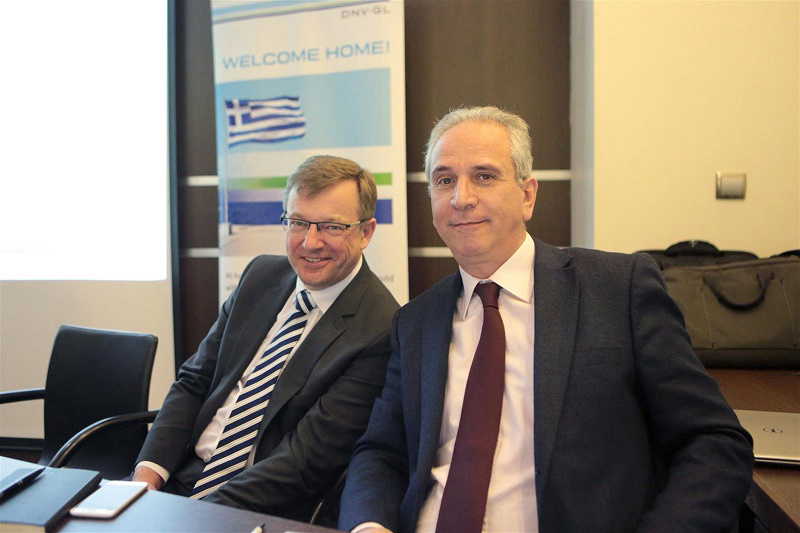
Chairman’s opening address
The acting Chairman, Sokratis Dimakopoulos, made an introduction describing the current regulatory environment with new and significant requirements coming into effect, like BWM, MRV, sulphur cap, TMSA 3, etc. which in connection with the poor market situation results in a very demanding and challenging operating environment. He further pointed out that the Committee meetings assist the members in being better informed, sharing experience and knowledge, providing feedback to the Organization of DNV GL and finally help each other to overcome these challenges in a successful and effective manner.
Organizational & operational changes of the Committee
The Permanent Secretary of the Committee, Loizos Isaias, gave a brief description of the changes to the Committee, including strategy, operational & organizational changes, more active involvement of the members of the Committee, etc. The formation of 3 Working Groups was noted (New legislation and requirements, Newbuildings and new technology, Operations).
The proposed changes have been accepted by the Committee.
Greece – DNV GL’s 3rd home market
DNV GL’s Regional Manager, Ioannis Chiotopoulos, gave a brief introduction on DNV GL’s initiative to upgrade Greece to the company’s 3rd home market (after Norway and Germany). Actions include the establishment of a global network of Greek speaking surveyors to serve the Greek ships, the establishment in Greece of a DATE Unit (Direct Access to Technical Experts) being a fast response service Centre to our customers, the commercialization of our local R&D results to the benefit of our customers, the appointment of a Chief Surveyor in Greece, the general increased of authority to the DNV GL office in Piraeus, etc.
Market Outlook – overview on market drivers and status, segment specific topics and outlook
DNV GL’s Marketing and Business Development Director, Jan Kvålsvold, gave an overview of the market situation looking also into some historic data as well. The following main issues were addressed: historic market developments and market indicators, market cyclical development, low newbuilding activity and poor order-book, scrapping, oil production cuts, China’s initiative for “One Belt One Road”, etc.
Regulatory Environmental Update – consequences
DNV GL’s Technical Director, Geir Dugstad, gave an overview of the environmental regulatory agenda focusing on the consequences of the new requirements. The requirements up to 2030 were covered by the presentation, including SOx, NOx, California requirements, ship recycling, BWM, MRV, EEDI, etc. Briefly were also discussed regulations on the horizon like hull bio-fouling, particulate matter, underwater noise, etc.
Sulphur cap 2020 – consequences, way forward
The Vice Chairman of the Committee (and acting Chairman for this meeting), Sokratis Dimakopoulos, presented the sulphur cap consequences and challenges expected to come in place in 2020. The presentation covered the IMO MEPC 70 decision, options for compliance, techno-economic analysis of the different options, etc. Particular focus was given to the uncertainties on the availability of compliant fuels, the scrubbers’ solution, the estimated price difference between distillates and high sulphur fuel oil in 2020, etc.
Live voting by the participants took place at the end of the session. The following results are noted:
Low sulphur HFO is considered to be best solution for existing vessels (62\%)
Best solution for newbuildings came the LNG as fuel (43\%), with second the HFO with scrubbers (33\%) and third low sulphur HFO (23\%)
57\% of the participants do not believe that scrubbers makers and yards will have sufficient capacity to handle scrubber installations, versus 31\% who believe that they will manage
The majority of the participants believe that the availability of 0.5\% S fuels will be sufficient to cover the needs of the industry (74\%)
On the question as to whether the price differential of 0.5\% S fuels as compared to HFO will make the scrubber option a cost-effective one, there was no clear conclusion
On the question whether the different companies have already commenced the techno-economical assessment of the available options, the result was divided (58\% yes, 42\% no)
BWM – technical problems, alternatives, frequent plan approval comments
The Vice Chairman of the Committee, Vasileios Lampropoulos, gave an overview of the so far experiences with the installation of BW treatment systems and the problems we are facing. The presentation covered the different technologies including a comparison between them, selection criteria, challenges of the different technologies, service experience, health and safety issues, maintenance, challenges for the crew and shore staff, approval and operation comments, etc.
Live voting by the participants took place at the end of the session. The following results are noted:
Filter + electrolysis and filter + UV are believed to be the most popular systems (48\% and 45\% respectively)
The vast majority of the participants believe that the international organizations and regulators should recognize the need for more time until the implementation of the BWM convention (80\%)
The majority of the participants believe that the BWM convention will force significant number of vessels of all types above 15 years to go for scrap (77\%)
The participants believe that significant number of owners will go for advanced renewal surveys to delay the installation of BWT systems as per IMO requirements
The clear majority of the participants do not believe that the no. of installed BWT systems, their so far utilization and the competence of the crews are giving confidence in the safe and effective use of the systems (75\%)
55\% of the participants do not believe that the “Trump” parameter will affect the enforcement of environmental regulations in general and the USCG req. for BWM in particular
Drones in use for fleet in service surveys
Based on a question raised by a member of the Committee before the meeting, DNV GL’s Technical Director, Geir Dugstad, showed a video with a close up survey carried out on-board an OBO vessel using drones. The benefits of the survey method were explained and highlighted.
Chairman’s closing address
During the presentations, various discussions took place between all participants. The meeting came to a close, with remarks of the acting Chairman, Mr Socratis Dimakopoulos who expressed his overall satisfaction on the presented material and the discussions that took place.
The meeting was very satisfactory and followed by a cocktail reception.
 |
| Group Photo of DNV GL Greek Technical Committee |
 |
| Ioannis Chiotopoulos - DNV GL Regional Manager South East Europe & Middle East, Georgios Teriakidis - Regional Business Development Manager and Nikolaos Kakalis - Manager R&D and Advisory, along with members of the Committee. |
 |
| Geir Dugstad - Technical Director DNV GL and Loizos Isaias - Permanent Secretary of the DNV GL Greek Technical Committee |
 |
| Vasileios Lampropoulos - Vice Chairman of the Committee, Jan Kvålsvold - DNV GL Marketing & BD Director, Dimitrios Vastarouchas - Vice Chairman of the Committee. |
 |
| Socratis Dimakopoulos, acting Chairman during his opening address |
 |
| Andreas Pagalos - DNV GL Area Manager for East Mediterranean and Nikolaos Papanikos - DNV GL Hellenic Flag Liaison (Principal Surveyor/Lead Auditor), along with members of the Committee |
 |
| During the DNV GL Greek Technical Committee Meeting |
DNV GL Hellas S.A.
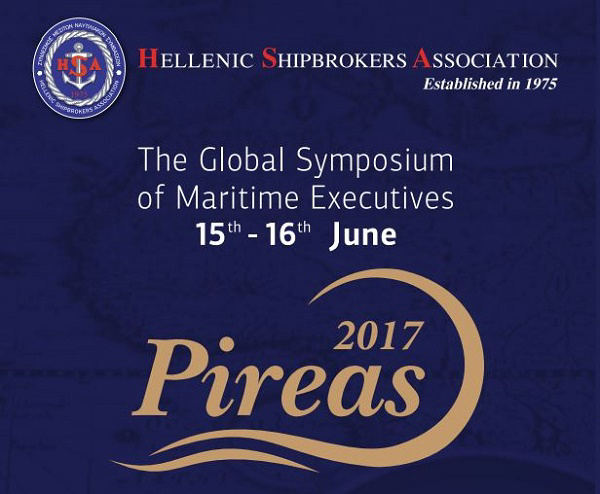
“Pireas 2017”
 |
Venue: Metropolitan Hotel, Athens
Day 2: Friday 16th June 2017 Shipbrokers Dinner
Venue: Golf Club of Athens, Glyfada
Shipowners, Shipmanagers, Charterers, Traders, Forwarders, Lawyers, Insurers, Terminal & Port service providers, Shipagents, Bankers, Naval providers and ofcourse Shipbrokers shall have the exclusive opportunity to meet and share opinions, strengthen their existing ties and expand their business opportunities.
Last event numbers:
3,500 participants / 1,700 companies from 45 countries - 35 sponsors
A wide variety of sponsoring benefits is available. Sponsors will gain access to myriad opportunities to share communicate and advertise their products, services and activities in the global maritime industry.
- The Hellenic Shipbrokers Association is a non-profit Organisation, established in 1975.
- Part of the proceeds shall be donated to charity.
Information:
Bookings:
ALICE TRAVEL
- DIMITRIS ECONOMOU
Tel: 210 3235185
Ε-mail: This email address is being protected from spambots. You need JavaScript enabled to view it.
Sponsorship:
Mrs Iro Mouchtouri
Tel: 210 4220055, 210 4220057
Mob.ph: 6932-905677
E-mail: This email address is being protected from spambots. You need JavaScript enabled to view it.
Web site: http://www.hsa.gr/pireas-2017.html
The Board of Directors

Powered by  © Μaritimes 2019