
-
Home

-
Maritimes NEWS
-
Ports
- maritimes


maritimes
HEMEXPO and DNV sign agreement covering energy-saving devices capability assessment
HEMEXPO – Hellenic Marine Equipment Manufacturers and Exporters – a leading suppliers and exporters association for the international shipping sector, has reached an agreement with the world’s leading classification society, DNV, for the assessment of energy-saving devices (ESDs) produced by HEMEXPO member companies.
Under the terms of the agreement, in the first instance, DNV will review a makers list provided by HEMEXPO to identify ESDs that fall in the category of energy saving devices, according to DNV expertise. In the second step, DNV will assess which regulatory metrics – i.e., the Carbon Intensity Indicator (CII) and the Energy Efficiency Existing Ship Index (EEXI) – the relevant ESDs affect. Finally, the classification society will issue a letter of professional opinion for the HEMEXPO products that fall into the ESD category. This will confirm that the product is assessed as an ESD, as per step 1, and describe the regulatory metrics it influences, as per step 2.
Eleni Polychronopoulou, HEMEXPO President, said: “Our agreement with DNV is a significant breakthrough as it aligns closely with the need for an international standard on ESDs, and HEMEXPO’s endeavours to encourage the marine equipment industry’s transition towards green solutions, which HEMEXPO is working towards. ESDs support ship owners and yards in meeting their environmental sustainability objectives, and this agreement will facilitate the acceptance of impactful technologies within the maritime industry.”
Whether selected for retrofit or at the newbuilding stage, ESDs can help shipping companies improve their CII, EEXI and EEDI (Energy Efficiency Design Index) ratings – and as the maritime regulatory landscape evolves, their importance will only grow, Polychronopoulou added.
Chara Georgopoulou, Head of the Maritime R&D and Advisory - OCCS Manager for DNV Greece, commented: “We are pleased to sign an agreement with HEMEXPO to assess its energy-saving devices. The maritime industry has set ambitious sustainability targets and improvements to vessel efficiency and ESDs, alongside new fuels and digitalisation, can significantly contribute to achieving those goals. ESDs can be instrumental in helping to reduce fuel use, cut greenhouse gas emissions and fully contribute towards compliance. For wider adoption however, the industry needs confidence in the technology. By working together to review HEMEXPO member products, DNV is proud to help build this confidence and ensure that the shipping industry can use ESDs to meet its decarbonisation goals.”
HEMEXPO is committed to delivering environmentally friendly solutions and services to support shipping’s green transition. In addition to ESDs, its member companies offer sustainable technology including friction-reducing hull coatings, shore connection facilities and carbon capture systems.
About HEMEXPO
HEMEXPO – Hellenic Marine Equipment Manufacturers and Exports – is a leading suppliers and exporters association for the shipping sector, representing Greek maritime technology specialists worldwide since 2014.
HEMEXPO brings together Greek companies that manufacture and export a comprehensive range of world class marine equipment and technical services used in the construction, conversion, maintenance and upgrading of ships and other marine structures.
http://hemexpo.gr/
Maritime venture builders Flagship Founders and Signal enter strategic partnership

Two of the leading maritime technology venture builders have today (25 July) announced a partnership to jointly develop new technology start-ups for the industry. Signal is taking a stake in the German venture studio Flagship Founders and will contribute data and APIs from its Signal Ocean platform to help accelerate new venture development. The partnership includes a total investment volume of €2.5 million and complements the €3.5 million funding round Flagship Founders closed earlier this year.
Signal is an Athens, London & Singapore based business which runs commercial tanker pools, has developed a leading AI software platform, and provides investment to early-stage ventures. Its venture building and investment arm Signal Ventures has to date supported 15 start-ups in the shipping, supply chain and commodities space. AI analytics firm OilX, Signal’s first start-up incubated through its venture studio, was sold to Energy Aspects in January this year.
Berlin-based Flagship Founders, in turn, is a leading European venture studio focusing on maritime technologies, logistics, and shipping. Flagship Founders has already produced four successful start-ups since it was founded three years ago. Most recently, Flagship Founders venture zero44 announced a financing round with participation from Atlantic Labs, among others.
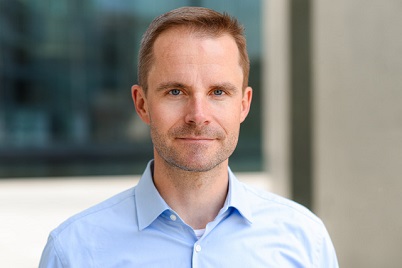 "We are very excited about the partnership. Flagship Founders and Signal share the same view of the maritime economy and the success factors for building technology startups," explains Fabian Feldhaus, Co-Founder and Managing Director of Flagship Founders. "We also complement each other perfectly: Signal is one of the most innovative maritime technology players and cover the whole spectrum from commercial and operational to VC investment and corporate venture building. Whereas we bring a startup background, have proven our skills in building scalable business models with clear customer benefits, and are very well-connected in Germany. In combination, this results in a big win for both sides."
By bringing their respective strengths into this strategic partnership, Signal and Flagship Founders will build new technology start-ups for global shipping more quickly and efficiently. Signal Ocean's comprehensive data platform will play an important role in the development and scaling of ideas. The companies also expect the partnership to provide mutual support in the areas of regional network access, sector-specific expertise, and talent acquisition.
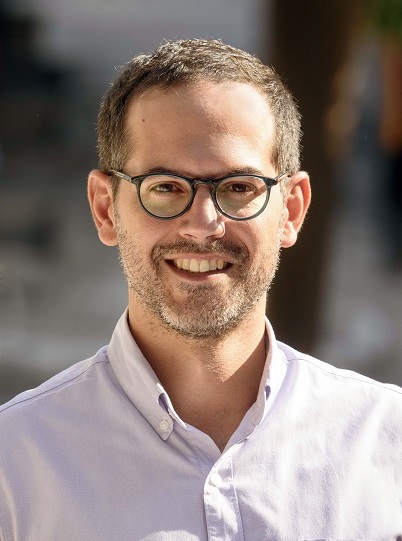 Nikolas Pyrgiotis, VP of Ventures at Signal, is also convinced of the mutual benefit of the partnership: "The maritime ecosystem is global, but startup ecosystems are mostly local and tend to operate in silos. Coalitions like this are important to gain access to new investment opportunities and complement expertise and network reach. We believe that the shipping and technology depth of Signal coupled with data from The Signal Ocean Platform will accelerate the development of Flagship Founders’ ventures and together we will advance venture building for maritime technology start-ups worldwide."
About Signal
Signal’s vision is to make global shipping more efficient, effective and profitable through the application of technology and market experience. Our passion for applied science and technology and our understanding of the complex shipping business continues to open up new opportunities.
We achieve success through collaboration, research and investment. In just a few years we have built a huge maritime tech ecosystem by combining cutting-edge data science with deep shipping market experience. The engine which drives our Signal Ocean Platform applies artificial intelligence and algorithms to clients' unstructured data. It provides them with a customised and personalized view of the tanker, dry bulk and container markets. We help shipbrokers, owners and charterers achieve extraordinary performance by taking care of the mundane and computationally complex.
This data-led approach powers our commercial tanker pools, Signal Maritime, enabling our chartering team to outperform its peers. At the same time, we are investing in the future by supporting early-stage technology startups and entrepreneurs in the shipping, logistics and commodities space through Signal Ventures. Our diverse and fast-growing team of product engineers, computer scientists, and commercial shipping professionals is based in Athens, London and Singapore.
www.thesignalgroup.com
About Flagship Founders
Flagship Founders is the founding partner for startups in maritime technology, logistics, and shipping. Launched in May 2020, the Berlin-based company works with ambitious founders to build scalable businesses with digital product solutions. The aim is to introduce pioneering technologies and innovation to shipping and help shape the industry’s future. To deliver successful results Flagship Founders provides ongoing support, from a successful creative process through company founding and financing right up to an exit. In addition to a wealth of expertise in the startup and company building sector, the Flagship Founders team has access to a first-class network and specialist shipping knowledge. Find out more at www.flagshipfounders.de
PPA S.A.: Proud supporter of the Greek delegation in the FISU Summer World University Games 2023
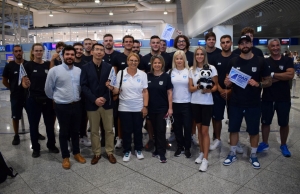
PPA S.A., a long-standing supporter of Greek athletics, has taken another significant step by supporting the Greek delegation in the Summer World University Games, which will take place from July 27th to August 8th, 2023 in the city of Chengdu, China. Specifically, the company has taken on the responsibility of covering all the travel expenses for our 25 students who will be representing Greece at the FISU (World University Sports Federation) World University Games.
During yesterday's departure of our students for the global event, representatives from PPA were present at Eleftherios Venizelos Airport to bid them farewell and wish them good luck. They also gave them the cheerful Panta, the COSCO SHIPPING’s mascot, to accompany them on their journey and bring them good luck.
PPA.S.A. Chairman Yu Zenggang expressed his support and dedication to the sports ideals and the Greek young athletes stating that: “Our commitment to the new generation and Greek sports, is unquestionable. This specific initiative is just one aspect of our broader and systematic contribution to sports and Greek society, which is a core principle and top priority for the Piraeus Port Authority. The World University Games provide an outstanding opportunity for our students to showcase their talents on an international level. We wholeheartedly support the 25 students representing the Greek delegation and sincerely wish them strength, success, and a remarkable performance!"
About PPA S.A.
Piraeus Port Authority S.A. is an Athens Stock Exchange listed company engaged in the management and operation of Piraeus port, Greece’s largest port and one of the largest integrated harbours in Europe, providing a complete range of services. Some of the company’s activities involve cruise, coastal (ferry/passenger), container and car terminal services, as well as ship repair, logistics and free zone services. The main shareholder of Piraeus Port Authority S.A., with a stake of 67 percent, is COSCO SHIPPING, one of the largest maritime companies in the world.
Over the last decade the company has experienced a remarkable growth in all port activities, which is still underway, largely contributing to the country’s economy, while driven by green development and increased digitalization, alongside a people-first approach and a spirit of giving back to the society.
PPA holds the ''EcoPort'' PERS status, is included in the Athens Stock Exchange ESG index and is one of the “Most Sustainable Companies in Greece 2022”.
For more information please visit: https://olp.gr
One Hundred Ports: Volume growth wanes as post-pandemic boom fades
Container ports may finally have gained some respite from chronic congestion, but they are already facing up to the new challenge of demand growth
China’s contribution masked an otherwise flat global throughput performance during 2022, a year that was fraught with the reverberations of Russia’s invasion of Ukraine and profound economic consequences
THE post-pandemic boom that helped the global container port sector recoup Covid-induced volume losses, started to fade in 2022.
For the world’s container ports, this meant a return to the days of moderate demand growth — a trend that had become a firm fixture for the industry pre-Covid.
The 100 ports featured in our latest rankings count achieved combined volume growth of 1.5% in 2022, with total liftings stacking up to 685.8m teu.
This compared to the 7.2% increase reported in 2021, making it the weakest growth level — the post-Covid year aside — seen by the world’s largest container ports since the fallout of the global financial crisis back in 2009.
China’s strong showing and resilient Middle East economies provided at least some relief to 2022’s otherwise subdued growth environment, helping offset the demand shortfall from a post-pandemic hangover — one felt most notably in Europe and across the Americas.
Of course, the plus point of a more moderate demand picture was that it granted ports — and container shipping in general — much-needed respite from the chronic congestion that had choked supply chains throughout 2021 and a large chunk of 2022.
With one challenge over, however, another began. Indeed, the operational landscape for the world’s top container ports did not get any easier in 2022.
Russia’s invasion of Ukraine at the start of the year triggered a massive shock to a global economy still reeling from the effects of the worst pandemic in a century.
Energy and food prices skyrocketed amid a supply squeeze, doing little to lift the lid on inflationary pressure or quell sky-high interest rates in the Western world.
Consumers have been hit hard — and so too has the demand for consumer goods.
For the elite container ports, the turmoil in Eastern Europe further dampened an already bleak demand setting and quashed any hopes of a quick return to pre-pandemic norms.
Considering the sheer strength of the current economic headwinds, the latest forecasts — at the time of writing — by industry analysts Drewry indicate that the global container port sector is set to post a sluggish growth figure of around the 1% range for 2023.
Top 10
As for 2022, perhaps the least surprising result was that Shanghai, China’s container port behemoth, once again crowned the Lloyd's List rankings, chalking up its 13th consecutive year at the top of the tree.
A sight to behold, Shanghai’s colossal complex moved 47.3m teu during 2022, edging ever closer to the quite remarkable 50m teu mark, as it continued to carve out a near unassailable position.
Despite fairly subdued volume growth of just 0.6% — having taken a significant hit by Covid-induced lockdowns in early 2022 — Shanghai managed to claw back traffic in the second half of the year to extend its lead over nearest rival Singapore. The gap between the pair now stands at more than 10m teu.
However, despite posting a drop of 0.5% in throughput, second-placed Singapore did weather the dual storm of global supply chain disruption and the macroeconomic uncertainties better than most of its regional peers and competitors — most notably Port Klang, Tanjung Pelepas, Busan and Hong Kong.
Unmoved in third place is China's second-largest box facility, Ningbo-Zhoushan, which was again not spared the country’s draconian lockdown measures.
Yet Shanghai’s loss was the dual port of Ningbo-Zhoushan's gain, as cargoes shifted to its terminals during the closure of the former more than made up for its respective Covid lockdowns.
A throughput jump of 7.3% at Ningbo-Zhoushan to a total of 37.3m teu made a significant dent in the gap on Singapore.
Although volumes have flattered to deceive during the initial months of 2023, port officials are still unmoved in their target of surpassing 40m teu come 2027 — an achievement that could see the Chinese port breathing heavily down Singapore's neck before long.
Ensuring the top four remained unchanged once more came a steady performance from southeast China's major manufacturing, tech and export hub, Shenzhen.
Growth of 4.4% at Hong Kong’s northerly neighbour came in the face of recurring Covid outbreaks of its own, which continued to hamper port operations.
Further north, Qingdao's rise to prominence continued apace, claiming the accolade as the fastest-growing top 10 port, adding no fewer than 28 new service routes in 2022 as volumes increased more than 8%.
Qingdao can now class itself as one of the world's top five container ports, having gatecrashed the upper echelons of our listing at the expense of Chinese compatriot Guangzhou. This represented the only ranking change in the top 10.
At the tail end of the top 10, only Tianjin (eighth) bettered its 2021 total, making ground on Busan (seventh) in the process, while Covid policies did little to improve Hong Kong's credentials as volumes dropped by more than a 1m teu.
Once the world's largest port in the late 1980s, the danger of Hong Kong slipping out of the top 10 in the coming years is looking increasingly like a reality.
Rotterdam, propping up the top 10, was one of several European majors in the north of the continent that suffered heavily from the loss of Russian-bound cargoes following sanctions.
China
China's dominance of the container port sector continues to show little sign of diminishing any time soon.
Despite one of the country's entries, Zhuhai, losing its rankings status, Chinese facilities still account for as many as 24 rungs on the Lloyd's List ladder — and, more significantly, seven remain in the top 10.
There is also a host of rapidly expanding smaller Chinese ports, including Yangpu, Zhanjiang and Weihai, which could all make their debut in the Top 100 Ports rankings before long.
With a total volume share of around 40% of the total throughput handled by the top 100, China's contribution provided an additional 11.4m teu against its 2021 input — a 4.4% rise in total, as the main attributor to the slim growth figure achieved by the combined top 100 effort.
Whether by mistake or design, however, volumes at certain Chinese ports appeared to be inflated.
In early 2023, a report published by Linerlytica highlighted how some Chinese ports' volumes contained an element of 'throughput inflation', as domestic growth did not match up with throughput numbers reported in the rest of the world.
This, according to Linerlytica, can be achieved through several mechanisms that count towards additional box liftings, often used to fabricate throughput results to mask underlying terminal performances, including barge activity and empty container movements between terminals.
Either way, a number of Chinese ports posted some serious growth figures domestically.
Indeed, the title for the fastest-growing elite container port in 2022 went to Yangtze River Delta facility Jiaxing, clocking up growth above 28% as its efforts to develop sea-river transport continued to provide dividends.
Jiaxing was one of five Chinese ports to hit double-digit percentile growth for 2022, alongside Dalian, Qinzhou, Taicang and Yantai. Only two — Hong Kong and Yingkou — failed to improve on the previous year's tally.
Yet even accounting for number massaging, China's volume growth is on course to brake sharply in 2023.
Global recession risks, sustained high inflation, and growing competition from rival manufacturing hubs in Southeast Asia, are all weighing in on the near-term prospects for the Chinese export market, say analysts.
There are also geopolitical uncertainties to contend with — most notably, China's own souring relations with the US, threatening ties with a crucial trade partner while reigniting talk of protectionism and anti-globalisation. These are concepts that do little to promote the country's containerised trade.
Asia, excluding China
Asian ports outside of China, making up the largest share of individual ranking entries by region — 27 in total — saw combined volumes fall marginally in 2022 on their year-ago level, by 0.4%.
This was in stark contrast to the 7% growth figure posted the previous year.
With the post-Covid bounce firmly in the past, the region's ports were feeling the bite of ensuing high inflation and its impact on consumer demand for goods, especially from the US and Europe, while the impact of Russia's invasion on its own economies hit close to home.
All five of the region's largest ports — Singapore, Busan, Port Klang, Tanjung Pelepas and Kaohsiung — reported a contraction in volumes for 2022.
For the latter, it was part of a wider trend across Taiwan, where the soaring price of raw materials, due to the war in Ukraine, had a significant impact on the consumer electronics supply chain and semiconductor manufacturing — both crucial elements of its box business.
All three of Taiwan's ports saw a reversal in fortunes, but the 'worst hit' title was reserved for its capital, Taipei.
Having realised one of the highest growth figures in 2021, Taipei reported a deficit in 2022 of more than 14% — the biggest percentage fall in volumes of any port making the top 100 cut this time round.
Yet it was not all doom and gloom. There were pockets of growth in the region, and some standout success stories.
Manila, home to Philippines port operator International Container Terminal Services Inc's flagship facility, took the accolade as the fastest-growing Asian port outside China, as liftings jumped 10% to exceed pre-Covid levels.
Elsewhere of note were gains in Thailand's Laem Chabang and the Vietnamese port of Cai Mep — two ports, like others in Southeast Asia, that aspire to become alternative manufacturing hubs to the powerhouse of China.
The shift of trade away from China to countries like Vietnam and Thailand — but also Cambodia, Bangladesh and Indonesia — in Southeast Asia is not a new concept.
However, the upshot of the pandemic — at least for these countries' ports — is that it reinforced the need for supply chain reconfiguration and alternative production hubs.
The business case for such a shift has only been strengthened amid weakening US-Sino relations — a factor that looks set to accelerate the migration of factories to other manufacturing countries in the region.
Although these countries will not threaten China's dominant position in the container port sector any time soon, the billions of dollars currently flooding to the region is testament to the significance of this shift in trade.
It is why Southeast Asian ports — particularly in Vietnam and Thailand — could be the ones to watch in the coming years.
Middle East
As a collective, Middle Eastern ports achieved the largest volume growth figure by region; its seven ports increased the area's combined total in 2022 by 4.7% over 2021.
Although Middle Eastern economies shouldered global economic headwinds better than most, growth was, overall, largely subdued across its ports.
Yet one performance stole the headlines, contributing the lion's share of additional cargoes for 2022.
In 2018, Abu Dhabi became the regional hub to two of the largest container shipping players, Cosco and Mediterranean Shipping Co, through their respective port arms, Cosco Shipping Ports and Terminal Investment Ltd.
The UAE port has since seen volumes explode, with the carrier pairing drawing in a host of affiliated deepsea services.
In 2022, total volumes amounted to 4.3m teu off the back of a more than 25% uptick in traffic, elevating Abu Dhabi as a top 50 port in the process.
Abu Dhabi's growth trajectory in recent years has been in stark contrast to compatriot Dubai — or Jebel Ali, as it is more commonly known — which is by far and away the region's largest port and home to DP World's flagship operation.
Nevertheless, Dubai did manage to post growth in 2022 — albeit marginal — to continue the positive trend of 2021, following three consecutive years of volume losses.
In addition to Abu Dhabi, the other big mover in the Middle East was the Saudi port of Dammam, making a return to the rankings after a short 12-month hiatus.
Here volumes shot up nearly 15% as steady investment by the Saudi Ports Authority (Mawani) to transform the port into a major logistics hub began to bear fruit.
Northern Europe
The impact on containerised trade of Russia's invasion of neighbour Ukraine was, unsurprisingly, most apparent at the major ports in Europe's northern range.
Russian exports from the continent effectively closed overnight upon the advent of sanctions against the Kremlin in response to its military aggression.
This, coupled with sluggish economic growth, as high energy prices sent inflation skyward following the invasion, also did little to serve the demand equation.
Rotterdam, Europe's largest port, and the German ports of Hamburg and Bremerhaven, all largely attributed respective throughput losses of 5.5%, 5.2% and 8.9% to the loss of Russian cargoes and the fallout of the invasion.
The only exception among the continent's top five port facilities was Antwerp, although its growth of more than 12% came via additional volumes from neighbour Zeebrugge upon the unification of the Belgian port authorities. Lloyd's List's 2021 throughput does not include Zeebrugge's contribution.
Similarly, France's largest port, Le Havre, posted an increase in its annual liftings on account of its merger with Rouen and Paris — into a single entity known as Haropa.
Meanwhile, the UK's principal box hub, Felixstowe, on the east Suffolk coast, saw volume gains in 2021 wiped away in 2022, as strikes and sinkholes put paid to progress.
Mediterranean
Mirroring the overall trade sentiment in Northern Europe, the Mediterranean's cluster of ports also experienced a 1.1% drop in volumes during the latest 12-month reporting period — one marked by the negative impact of the Ukraine conflict and subsequent high inflation, and the spiralling cost of fuel and raw materials.
Come the end of 2022, only three of the dozen Mediterranean ports taking up the latest ranking slots managed to improve on their respective 2021 teu totals.
True to form, however, it was Morocco's mega hub Tanger Med that proved the best in class, continuing its ascent up the rankings.
Although Tanger Med — around 50 km east of the capital Tangier, on the southern tip of the strategically located Strait of Gibraltar — did not quite achieve the 24% growth figure seen in 2021, volume growth just short of 6% was more than respectable.
The feat was made all the more impressive in the face of a slowdown in global containerised trade.
Throughput of 7.6m teu for 2022 ensures Tanger Med continues to increase the gap on its rivals as the region's busiest box port, having more than tripled traffic in a decade.
Tanger Med was the only port among the Mediterranean's top five to increase its teu total in 2022.
Greece's Piraeus failed to stem the tide of ailing traffic, following a third straight year of throughput declines, while the Spanish trio of Valencia, Algeciras and Barcelona all suffered a similar fate.
Despite posting its own decrease in annual throughput, Türkiye’s Tekirdag became the third port on the shorelines of the Marmara Sea to reach the top 100, following in the footsteps of compatriots Ambarli and Kocaeli.
Container operations are centred at the Asyaport facility — a joint venture between MSC and local owners — which has continued to drum up business in recent years.
Tekirdag props up the rest in the final rankings position, nudging out China's Yangpu by just a few thousand teu.
North America
Following a bumper 2021 result, 2022 was a much more low-key affair for total volume growth across the rankings' North American contingent — yet there was a marked divergence in fortunes for ports lining the Pacific, Atlantic and Gulf coastlines.
Overall volume growth across the region took a considerable dive year on year, rising by a measly 0.6% — a far cry from the impressive 15.5% posted in the preceding 12 months.
Although 2022 started strongly, the unwinding of the pandemic’s shipping boom in the second half of the year and growing recessionary fears, particularly in the US, offset these early gains.
Yet the one plus from slowing demand in the second half of 2022 is that it finally brought an end to the congestion and vessel backlogs in the US, which became synonymous with the pandemic's supply chain meltdown.
What started on the west coast soon became an issue for east and Gulf coast ports as shippers diverted cargoes in search of uncongested terminals.
Nevertheless, it was the US west coast that bore the brunt of boxship backlogs — particularly in San Pedro Bay, outside Los Angeles and Long Beach.
The issue here was further compounded in the run-up to the expiry of dockworkers' contracts in July 2022, when fears of industrial action — which had all too often beset previous negotiations — gave further reason for shippers to divert cargo eastwards.
For Los Angeles and Long Beach, this led to respective falls in traffic of 7.2% and 2.7%, in a theme repeated across the Pacific. Volume growth was therefore reserved for ports on the other side of the continent.
For the largest port on the eastern seaboard, New York/New Jersey, the influx of cargo spurred an almost 6% rise in volumes, in what was a record year for the port, as throughput eclipsed 9m teu for the first time in its history.
In the process, New York/New Jersey overtook Long Beach to lay claim as North America's second-largest port.
The most impressive volume increase, however, came further south in Houston, Texas, which rose more than 15% as one of the main benefactors of cargoes shifting east.
Yet with a tentative labour agreement now in place on the US west coast, expectations are that traffic will start to return to the region's docks. Just how much traffic, though, remains to be seen.
Central and South America
Ports in Central and South America, like North America, experienced mixed fortunes in 2022, with growth fragmented throughout the region.
Colón, located at the Atlantic entrance to the Panama Canal, remains the region's biggest volume contributor, after following up recovery-year throughput in 2021 with further growth in 2022 to go up and above the 5m teu mark.
The Panamanian port has seen volumes climb steadily since the multi-billion-dollar expansion of the Panama Canal, which has brought a host of new services and lines to the port, utilising transhipment opportunities to the wider region.
Demand is such that a fourth terminal is in the offing. The proposed Panama Canal Container Port has long been mooted, but with MSC taking on management and operational duties in 2022, the facility's development is finally moving forward.
With an initial capacity of 2.5m teu and room in play to double this number to 5m teu, Colón's dominant regional position looks safe for the foreseeable future.
Throughput gains were also reported in Santos, Brazil, but the top-performing port in the region was Jamaica's Kingston, which continues to draw volumes as CMA CGM's central Caribbean transhipment hub.
On the flipside, Balboa and Cartagena failed to post growth for 2022, while Ecuador's Guayaquil continued to feel the heat from new domestic rival, Posorja, as it slumped further down the rankings.
Lloyd's List subscribers can request a downloadable copy of the rankings by contacting our Customer Success team: This email address is being protected from spambots. You need JavaScript enabled to view it.
CLIA statement regarding incorrect reports about cruise operations in Amsterdam, following the Local Council vote of 20 July

We are aware of the media reports about the future of cruise in Amsterdam. As the port has publicly stated, cruise ships have not been banned from Amsterdam. Furthermore, the port and Passenger Terminal Amsterdam have already pledged to undertake investments worth millions of Euros in port infrastructure and shoreside electricity for the long-term. There have been discussions on its relocation outside the city centre which started back in 2016 and which are still ongoing.
We are working with the authorities to accommodate the views expressed by Council members while continuing to support the communities that benefit from cruise tourism. Of the more than 21 million visitors that Amsterdam receives each year, around 1% arrive by cruise ship, with cruise tourism contributing around 105 million Euros to the city annually.
Newcleo, Fincantieri and RINA working together on feasibility study for nuclear naval propulsion

Companies sign agreement to explore closed mini reactor design application for use on large vessels, with potential to decarbonise shipping industry
LONDON, UK, 25 JULY 2023 – newcleo, the clean and safe nuclear technology company developing innovative Generation IV reactors using nuclear waste as fuel, announced today that it has signed an agreement with Fincantieri (BIT: FCT), one of the largest shipbuilding companies in the world, and RINA, the inspection, certification, ship classification and consulting engineering multinational.
Under the terms of this agreement, the three companies are combining their deep international expertise and innovation experience to carry out together a feasibility study for nuclear applications to the shipping industry, including newcleo’s lead-cooled small modular reactors (SMRs) technology.
The deployment of newcleo’s innovative LFR (Lead-cooled Fast Reactor) for naval propulsion would involve placing a closed mini reactor on vessels as a small nuclear battery producing a 30MW electric output. This would require infrequent refuelling (only once every 10-15 years), very limited maintenance and easy replacement at end of life.
Using clean nuclear energy to power marine vessels would help rapidly decarbonise a sector grappling with huge fossil fuel consumption and its consequent carbon emissions. The shipping industry, via the International Maritime Organization (IMO), approved last week at MEPC(80) the new targets for GHG emission reduction, to reach net-zero GHG emissions by or around (i.e. close to) 2050.
While the shipping industry still carries 90% of the world’s goods, and the fourth IMO GHG Study 2020 confirms that its carbon dioxide emissions are less than 3% of the total global man-made CO2 emissions, the actions of the big players of this industry have the potential to drive trends and markets.
Also, using nuclear power on ships would safeguard the marine ecosystem in the event of an accident. With newcleo’s design the liquid lead inside the reactor would solidify as it cools down in contact with the cold water, enclosing the reactor core in a solid casing, and containing all radiation thanks to the shielding properties of lead.
Finally, the newcleo naval propulsion reactors would eliminate the current need for frequent refuelling, and at the end of its life, the whole LFR unit would be simply removed and replaced with a new one in the ship, and the spent unit taken away for decommissioning and reprocessing.
Stefano Buono, newcleo Chairman and CEO, commented:
"I am delighted that we are launching a project for civil nuclear naval propulsion with this important feasibility study. Fincantieri and RINA are two global leaders in the shipping sector, and combining their expertise with our technology innovation can bring a real solution to the issue of carbon emissions in maritime transport.
From our conception, newcleo's ambition is to contribute to accelerating decarbonisation and providing clean, sustainable and affordable energy to meet the needs of communities and businesses.
I look forward to the results of the feasibility study and the next steps of the project.”
Pierroberto Folgiero, CEO and General Manager of Fincantieri, commented:
“Today Fincantieri reaffirms its vocation to be a pioneer and catalyst for progress in the maritime sector with cutting-edge, efficient and sustainable technologies. Indeed, the agreement allows us to explore the possibility of adding a new and visionary solution among those at our disposal to achieve the ambitious decarbonisation goals the industry has set for itself.
Nuclear power holds enormous potential and, as such, it needs the best expertise to be expressed, and we are proud to join with partners like newcleo and Rina to help get this done”.
Ugo Salerno, Chairman and CEO of RINA, commented:
"The improvement of fuel efficiency and vessel design is already giving good results in reducing shipping footprint. But, in order to reach the targets fixed for this industry, we need alternative fuels with low carbon content from well to waste.
Nuclear will be one of the answers to these objectives.
In addition, small modular reactors will be the most efficient solution to apply nuclear to shipping.
We are proud to cooperate with newcleo and Fincantieri in order to make feasible, as soon as possible, the implementation of SMRs on vessels”.
About newcleo
Privately funded and headquartered in London, newcleo was launched in 2021 – and since raised a total of EUR 400m – to be an innovator in the field of nuclear energy. Its mission is to generate safe, clean, economic and practically inexhaustible energy for the world, through a radically innovative combination of existing, accessible technologies.
With visionary co-founders, newcleo capitalises on thirty years of R&D activity in metal-cooled fast reactors and liquid-lead cooling systems, and our senior management and advisory team can boast hundreds of years in cumulative hands-on experience.
Counting around 360 highly skilled employees across the UK, Italy and France, newcleo has business, scientific, operations and industrial manufacturing capabilities in a vertically integrated model designed to deliver its ambitious timeline for its plan-to-market.
newcleo’s technology, mostly comprising a novel approach to already qualified solutions, addresses equally well the three challenges affecting the nuclear industry to date: waste, safety and cost.
• Waste: fast reactors are capable of efficient “burning” (i.e., fission) of depleted uranium, plutonium and Minor Actinides. When operated with MOX fuel generated from reprocessed nuclear waste, newcleo’s reactors not only ensure sustainability by closing the fuel cycle, but can also boost energy independence.
• Safety: lead-cooled reactors operate at atmospheric pressure. The properties of lead (thermal capacity and conductivity, very high boiling point, chemically inert, shielding properties) together with newcleo’s passive safety systems ensure very high levels of safety.
• Cost: newcleo’s reactor design has been optimised over the last 20 years leading to the concept of an ultra-compact and transportable 200 MWe module with improvements in energy density compared to other technologies. Costs are kept low by means of simplicity, compactness, modularity, atmospheric pressure operation and elevated output temperature.
newcleo is also working to significantly invest in MOX fuel manufacturing in developed countries, extracting energy from the current nuclear industry by-products.
newcleo is ready to develop a new, sustainable, and completely safe way of generating nuclear energy that will help humanity reach zero emissions, and mitigate against global warming.
About Fincantieri
Fincantieri is one of the world’s largest shipbuilding groups, the only one active in all high-tech marine industry sectors. It is leader in the construction and transformation of cruise, naval and oil & gas and wind offshore vessels, as well as in the production of systems and component equipment, after-sales services and marine interiors solutions. Thanks to the expertise developed in the management of complex projects, the Group boasts first-class references in infrastructures, and is a reference player in digital technologies and cybersecurity, electronics and advanced systems.
With over 230 years of history and more than 7,000 ships built, Fincantieri maintains its know-how, expertise and management centres in Italy, here employing 10,000 workers and creating around 90,000 jobs, which double worldwide thanks to a production network of 18 shipyards operating in four continents and with almost 21,000 employees.
www.fincantieri.com
About RINA
RINA, leading certification company and engineering company in Italy, provides a wide range of services across the Energy & Mobility, Marine, Certification, Infrastructure & Real Estate and Industry sectors.
With net revenues in 2022 of 664 million euros, 5,300 employees and 200 offices in 70 countries worldwide, RINA is a member of key international organizations and an important contributor to the development of new legislative standards.
www.rina.org
Rotterdam Shortsea Terminals (RST) and Samskip Join Forces To Launch First Shore Power Green Initiative
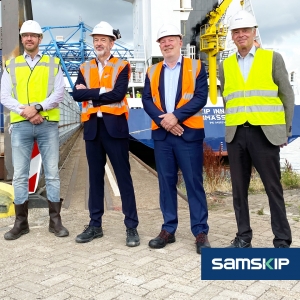
RST and Samskip are proud to announce the successful launch of their Green Shore Power initiative, which aims to dramatically reduce CO2 emissions produced by vessels docked by providing new clean shore powered energy solutions.
The joint initiative is an example of what companies can do if they have a common goal and join forces in the energy transition towards CO2 neutrality. The shore power solution is the first of its kind for a container terminal in the Netherlands ports.
The celebration of this milestone event was on Friday, July 21st, where delegations from Samskip, RST, Port of Rotterdam (HBR), Municipality of Rotterdam and HES gathered. During the celebration, “Samskip Innovator” provided an onsite demonstration of the smooth transition between ship power and the new shore power.
The new shore power endeavor was largely possible through the expertise of Harbour Electronical Services (HES) which both prepared and outfitted Samskip’s shortsea vessel “Innovator” to receive shore power. The power supply unit at the quay of RST has been installed by Jolectra.
Onshore power supply systems are a critical step towards the decarbonization of the shipping sector. Given that docked vessels currently leave their engines running to generate onboard electricity while burning gasoil constantly, the impact of green onshore power becomes abundantly clear. For the entire shipping sector, shore-side electricity is expected to reduce CO2 emissions by 5 megatons1 of CO2 per year (3.7% of global shipping emissions).
With this innovation, Samskip also takes a leading position in preparing for the FuelEU Maritime regulation, which will require shore-power connectivity from 2030 on.
Head of Fleet Management – Vessel, Erik Hofmeester, said: “There are many ways to reduce CO2, such as: Samskip vessels using bio-fuel, the CO2 capturing systems also installed on Samskip vessels, WASP (Wind Assisted Ships Propulsion) and last but not least shore power. Green shore power facilitates clean and silent ship-operations in the ports of Rotterdam. We have set ambitious decarbonization targets for the upcoming years, with a clear aim to achieve net-zero emissions by 2040. Remarkably, this goal puts us a decade ahead of the legally mandated requirement for the maritime industry, which is currently set at 2050.We will also continue to use all our resources to protect the future of our company, our customers and partners and our planet”.
CEO of RST – Arno Storm, said: “RST is committed to be a frontrunner in energy transition and is taking a leading role in the port of Rotterdam to work on practical solutions to serve the planet and RST’s customers. I am truly proud to be able to say that we are the first container terminal in the Netherlands which has a shore power connection. For me, keying in on the path towards CO2 neutrality means partnering with customers and suppliers and I am thrilled that together with Samskip, HES and Jolectra, we have been able to take a first step. Furthermore, I would like to extend my gratitude towards the Port of Rotterdam authorities who have played an active role in the support and establishment of this pilot”.
1The CO2 reduction potential of shore-side electricity in Europe - ScienceDirect
About Samskip
Samskip offers pan-European, environmentally responsible combined transport services via shortsea, road, rail and inland waterway routes. We are committed to cost-effectiveness, operational excellence and best practice in sustainable transport. High frequency services connect destinations across Europe, the Baltic States, Iceland and Faroes Island, both door-to-door (including collection) and quay-to-quay, transported using a wide range of owned vessels, containers, trucks and trailers.
About RST
Rotterdam Shortsea Terminals (RST) is Europe’s largest dedicated shortsea shipping hub. Our highly-trained, experienced staff are committed 24/7 to delivering optimal solutions for today’s demanding logistical challenges. We offer tri-modal container handling, storage and value-added services such as empty depot, cross-docking and more. Our focus is customer service, efficiency and sustainability.
IBIA and GREEN MARINE Sign Cooperation Agreement to Deliver Methanol Bunker Training

The accelerating pace of the energy transition in shipping makes it essential that the industry provides support to the people who are part of this journey.
Training remains a key priority for IBIA as we move into a greener and more sustainable future addressing the needs of future manpower training and the future-proofing of the existing workforce.
To further the cause of a skilled and competent bunker workforce IBIA and GREEN MARINE have signed a cooperation agreement to develop a methanol bunkering training programme, with support from the Methanol Institute.
The cooperation agreement aims to provide for existing and future crew operating on bunker tankers and bunker surveyors are competent and ready for methanol bunkering on a larger scale. The plan is to commence the training in Singapore first and expanding globally in 2024.
In the first instance, IBIA and GREEN MARINE have worked together with the crew from the supplying tanker and the bunker surveyors involved in the methanol bunkering pilot in Singapore, identifying and plugging the training gaps and competency needs prior to the pilot.
“IBIA's strategic focus on training is driven by the impending transformative changes in the maritime industry, especially concerning alternative fuel options for achieving environmental targets by 2030 and 2050. We are committed to equipping our members with essential knowledge and skills to navigate this evolving landscape successfully. Our exciting partnership with GREEN MARINE allows us to expand bunker-related courses, enriching educational opportunities. We are grateful for the Methanol Institute's endorsement, which reinforces the importance of our training initiative and the dedication of industry leaders to a well-prepared maritime workforce. Through strategic training and partnerships, IBIA strives to steer the maritime community towards a greener and more sustainable future, fostering a cleaner, responsible, and resilient shipping industry.’’ said Timothy Cosulich, Chair of IBIA
“GREEN MARINE’s methanol training curriculum was created based on practical knowledge gathered over a decade of experience working on methanol dual fuel vessels. Our methanol specialists are captains and chief engineers with first-hand knowledge of working with methanol as marine fuel and the safe handling of same. Their experience includes services from methanol system design integration consultancy to newbuilding construction supervision, technical management, and operations. Our methanol training curriculum is supplementing baseline regulatory training requirements with practical, experience-based learning.” said Morten Jacobsen, CEO of GREEN MARINE.
“We applaud GREEN MARINE’s ongoing efforts to support the development of methanol as a marine fuel, now together with IBIA, effectively creating the ‘gold standard’ for safe handling and bunkering. These are still early days for alternative fuels, making it a necessity to collaborate on fundamental elements for their safe and efficient integration with the maritime supply chain, bunkering and on-board handling. Such partnerships allow us as an industry to go further, faster, as we transition to a lower emissions environment,” said Chris Chatterton, Chief Operating Officer, the Methanol Institute.
About The International Bunker Industry Association (IBIA)
The International Bunker Industry Association (IBIA) is the voice for the global bunker industry across all sectors and the entire industry value chain. The Association represents stakeholders in discussions and negotiations with other industry associations, national and international policy makers and legislators, including IMO where IBIA has consultative NGO status. IBIA promotes the common good of the industry through education, fostering professional conduct and developing standards.
About GREEN MARINE
GREEN MARINE is a multi-disciplinary methanol consultancy firm, which brings world-leading expertise in methanol system design integration, newbuilding construction supervision, technical management and operations of methanol-powered ships across all market segments. Assisting shipowners, operators and shipyards in accelerating the transition to a methanol-powered maritime future. From offices in Copenhagen, Gothenburg, Geneva, Manila and Singapore, GREEN MARINE’s teams deliver innovative methanol-based maritime solutions, across the value chain.
About the Methanol Institute (MI)
The Methanol Institute (MI) is the global trade association for the methanol industry, representing the world’s leading producers, distributors, and technology companies. Founded in 1989 in Washington DC, MI now represents its members from five offices around world in Washington DC, Beijing, Brussels, Delhi, and Singapore.
MI serves its members as the voice of the methanol industry, representing companies within the membership to governments and businesses around the world to promote the sustainable growth of the industry. MI focuses on advancing the utilization of methanol as a clean fuel in energy-related applications such as land & marine transport, power generation, fuel cells, industrial boilers, and cook stoves. MI also supports sustainable and renewable process to produce methanol as a carbon-neutral chemical and fuel.
Damen to supply Air Cavity System to Amisco for reduced emissions
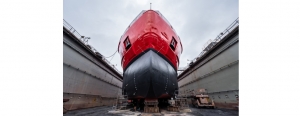
Damen Shipyards Group is pleased to announce the first sale of its innovative Damen Air Cavity System (DACS) to Amisco. With its ambition to become the world’s most sustainable shipbuilder, Damen has developed DACS to support maritime operators in their efforts to reduce fuel consumption and emissions.
Damen will retrofit the DACS system to Amisco’s cargo vessel Danita in Tallinn, Estonia. DACs is an air lubrication system, borne out of a collaboration between Damen and the Delft University of Technology (TU Delft). It maintains a thin layer of air over the flat bottom of a vessel’s hull, reducing resistance in the water, thereby lowering drag and friction. As a result, the efficiency of the vessel is improved with fuel consumption reduced by up to 15%.
DACS offers vessel operators a straightforward solution, for both newbuild and existing vessels, to comply with regulations such as the Energy Efficiency Existing Ship Index (EEXI) and the Carbon Intensity Indicator (CII) as well as the EU Emission Trading System (ETS).
With DACS installed to Danita, Amisco will achieve the CII rating necessary to continue operating in the Baltic Sea in the face of new, stricter emissions regulations. At the same time, the considerable reduction in fuel consumption allows for a rapid return on investment.
"We are excited to partner with Damen and implement this new technology to reduce our emissions," said Allan Noor, CEO of Amisco. "The Air Cavity System is a game-changer for us, allowing us to lower the fuel consumption and reduce the CO2 emissions of our current fleet. This marks the initial phase in our continuous commitment to delivering value to our partners through our existing fleet, while collectively minimizing the environmental impact across the entire supply chain.”
Rutger van Damen, Sales Manager at Damen Green Solutions, said, “We are proud to introduce this technology to the market. Reducing emissions is crucial for the future of our industry and DACS is a practical solution that can make a real difference.”
During the verification of the fuel saving results, Damen was supported by the IACS class society, RINA. RINA played a pivotal role in verifying the impressive fuel-saving results achieved by Damen’s technology and thoroughly examined the working principle of the air lubrication system.
With RINA's expertise and rigorous assessment, Damen received independent validation of the significant fuel savings realized through the implementation of DAMEN air lubrication system. This collaboration has further reinforced the credibility and reliability of DACS technology.
Pino Spadafora, Marine Commercial Senior Director at RINA, said, “Supporting Damen and Amisco in the application of a technology such as the DACS system is an honour for RINA. Fuel optimization is of paramount importance on existing vessels as much as new builds and cooperation within the industry is the way forward to finding new solutions”.
By involving RINA in the sea trials, Damen demonstrated its commitment to transparency, accountability, and excellence.
Sergei Kravtṡenko, Member of the Board at Tallinn Shipyard, one of BLRT Repair Yards, members of BLRT Grupp, said, "We are delighted that our long-term partner- Estonian-based shipping company Amisco has entrusted us with the installation of DACS system on board their vessel Danita. At BLRT Repair Yards, we take pride in our commitment to excellence and innovation in maritime installations. From expertise and decades of experience, our skilled team was ready to handle the project. This cutting-edge technology will definitely enhance vessel performance and contribute to a greener, more sustainable future. And we are proud to have been a part of the deal".
Methanol Retrofit Solutions to be Developed for Medium-Speed Marine Engines

Research association comprising MAN Energy Solutions, WTZ Roßlau gGmbH and TU Darmstadt start ‘CliNeR-ECo’ project
MAN Energy Solutions has announced that it will begin developing retrofit solutions for medium-speed marine engines as part of a research association including WTZ Roßlau gGmbh and TU-Darmstadt. The three-year research project, ‘CliNeR-ECo’, is funded by the German Federal Ministry for Economic Affairs and Climate Action (BMWK) with initial work having already commenced at the beginning of 2023.
CliNeR-ECo aims to develop concepts for diverse, medium-speed, marine engines that will enable the retrofitting of entire ship fleets at reasonable economic and technical costs. The project is focusing on the climate-neutral fuel, methanol, which is produced from green hydrogen with the intention being that results should quickly spawn other developmental projects for series production. In this respect, MAN Energy Solutions is currently planning a first retrofit project based on an MAN 48/60 engine; the first retrofit of a fully functional test engine is scheduled to reach the testbed in 2024.
With these maritime retrofit technologies, ship owners will be offered solutions that enable their existing fleets to comply with future emission targets for greenhouse gases. These will be introduced by the International Maritime Organization (IMO) and the EU in increasingly stringent stages from 2025 onwards in order to ultimately realise climate-neutral maritime shipping.
Dr Alexander Knafl, Head of R&D Four-Stroke Engines at MAN Energy Solutions in Augsburg, said: “MAN Energy Solutions is pursuing this project in close alignment with its own strategy for developing sustainable technologies and welcomes the opportunity to work with external research partners. For us, the path to the decarbonisation of the maritime economy begins with the switch to climate-neutral fuels. In this context, methanol is an excellent candidate as it is climate-neutral when produced from green hydrogen.”
Christian Kunkel, Head of Combustion Development, R&D Four-Stroke Engines at MAN Energy Solutions, added: “Electrification of the maritime industry is only possible in niche segments but not in so-called ‘long-distance shipping’. Energy sources such as carbon-neutral methanol and ammonia will therefore play a prominent role in the maritime sector in the future. Methanol is an ideal fuel for converting engines on existing ships and methanol tanks can usually be integrated into existing ship designs without too much trouble, while engine conversion costs can be kept within reasonable limits. Thus, with climate-neutral methanol production, the climate effect of the maritime industry can be improved very quickly while dispensing with the need for newbuilding construction. This is a crucial point as ship lifespans can last several decades in some cases and newbuildings demand a lot of resources.”
Dr Christian Reiser, CEO of WTZ Roßlau gGmbH, said: “Together with our partners, we are pleased to launch this ambitious project for CO2 reduction in shipping. The development of a retrofit-capable, methanol-combustion process presents us with exciting challenges, which we will solve together in this strong alliance.”
Prof. Dr.-Ing. Christian Hasse, Head of the Department of Simulation of Reactive Thermo-Fluid Systems at TU Darmstadt, commented, “Carbon-neutral and carbon-free fuels play a prominent role in our current research with methanol as a fuel for retrofitting marine engines playing a special role. The investigation of mixtures is, scientifically, highly exciting and directly related to the technical solution we will eventually develop. Ultimately, we will gain new insights into the dynamics of flow, injection and their interaction with the combustion chamber walls by combining high-resolution simulations and optical measurement techniques. This transfer of basic research into practical application is a strength of engineering research.”
Project partner roles
WTZ Roßlau gGmbH is a specialist in the field of energy conversion and will use a medium-speed test engine to develop combustion-process strategies for the retrofit concepts. This will be done in close cooperation with MAN Energy Solutions and will also form the basis for defining requirements for exhaust-gas aftertreatment.
The Technical University of Darmstadt will use a flow bench to work out the fundamentals of methanol mixtures in engines at its ‘Reactive Flows and Measurement Technology’ and ‘Simulation of Reactive Thermo-Fluid Systems’ departments. Together with MAN Energy Solutions, it will also develop the CFD simulation models required for adapting the technology to different engine sizes.
MAN Energy Solutions will transfer the retrofit concepts developed to large-volume four-stroke engines and prepare commercial development and production.

Powered by  © Μaritimes 2019