


Posidonia Sea Tourism Forum 2017 probes growth prospects
 |
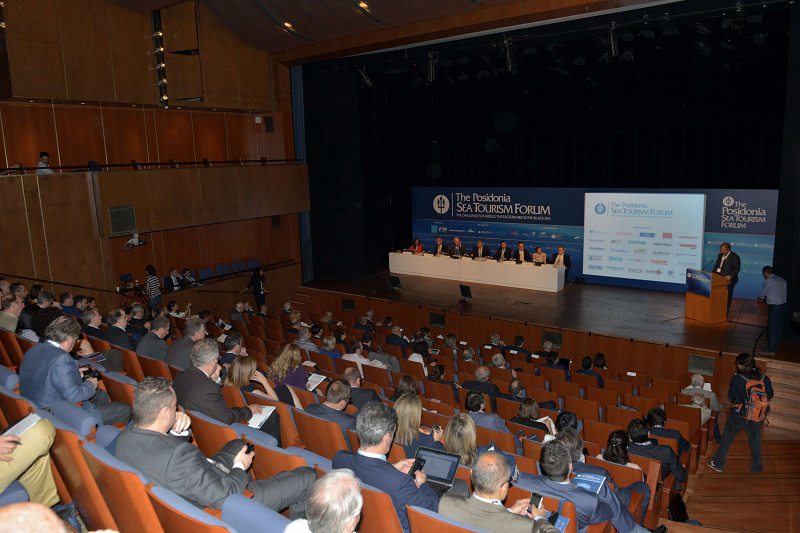
While the global cruise industry’s outlook remains strong in 2017, local geopolitical tensions have impacted the East Med’s performance as a sea tourism region. Industry stakeholders will come together at the 4th Posidonia Sea Tourism Forum this spring in Athens in an effort to reinvent Cruising in the East Mediterranean, so that the region can benefit from the present boom of the cruise industry.
Current demand for East Med cruises is in stark contrast to the positive Cruise Lines International Association’s (CLIA) projections that estimate 25.3m cruisers in 2017, a 4.5\% increase over the previous year. At the same time global capacity will increase with the addition of 26 new ocean, river and specialty vessels. Long-term estimates indicate the industry will add a further 97 new ships in less than ten years with an investment of nearly US$53billion.
Posidonia Exhibitions, the organisers of this two-day event, believe that the carefully selected issues to be addressed during the conference could lead to solutions that would facilitate the region’s recovery to the benefit of both cruise operators and local economies.
“Stakeholders of the East Med’s and Black Sea’s interdependent destinations must work together to reinvent the region’s combined offering,” said Posidonia Exhibitions’ Executive Director, Theodore Vokos.
“In order to convince operators to redeploy more of their assets to the region and add new itineraries, we must develop a long-term vision based on mutually beneficial strategies. Strategies designed to create a cohesive, consistent and alluring product that will spur demand for the region and create new homeport destinations,” he added.
This is exactly what representatives of the world’s leading cruise lines will discuss at the biennial international conference and exhibition, taking place on May 23-24 at Megaron Athens International Conference Centre. Expert speakers and the region's stakeholders will address the challenges and debate possible strategies and solutions.
Focusing precisely on such solutions is the Berth Allocation Workshop that will deal with this important requirement high on CLIA’s agenda. This is a must-attend workshop for port operators, as they will be able to learn how to design an optimal system that will suit their specific realities, thus improving their efficiency, profitability and demand for their port.
Destinations and ports not currently on major cruise line itineraries will also benefit from this forum, as their representatives can meet with cruise executives responsible for itinerary planning and gain from their vast experience with the world’s marquee and emerging destinations. Cruise lines are always on the lookout for new destinations, such as the recent inclusion of Samos in Celestyal Cruises’ itineraries showcases.
The recent completion of two high profile privatisations, COSCO’s takeover of the Port of Piraeus and Fraport’s of 14 regional airports, have altered the strategic importance of Greece as a cruise destination and gateway to the Central and East Mediterranean. Both companies have committed to infrastructure and services upgrades that will ultimately benefit cruise prospects in the region. In addition, thanks to Fraport’s commitment to increase connectivity with key European tourism markets, certain peripheral ports will become possible homeporting options.
“Coupled with a parallel privatisation programme for strategic ports and marinas which is in advanced planning stages, it seems more than certain that the overall sea tourism product of Greece across cruising and yachting stands to reap significant long-term benefits if the right actions are taken,” added Vokos.
But the Posidonia Sea Tourism Forum will be an enlarged event this year, thanks to its enhanced workshop and seminar programme.
As cruise sales are a rising segment of the business and offer high commission rates, a special workshop on how to generate new business is designed to draw the attention of travel agents. CLIA Europe will be involved in this project, as it will also participate at the Posidonia Forum to present its CLIA membership programme aiming to boost its membership in Greece. CLIA membership can offer many benefits to travel agents, as well as to suppliers and service providers.
The projected renaissance of Greece’s sea tourism has also reignited the interest of the young generation in yachting, cruising and passenger shipping. YES to Sea Tourism Forum will address the opportunities available in these sectors and the skills needed to be successful in them. This will be achieved through an open dialogue between the forum delegates and the industry executives who will be on the Panel.
“YES aims to serve as a platform of open dialogue between young promising executives and the decision makers from our industries, connecting employers with prospective employees and giving them the opportunity to network, interact and create relationships that may prove highly rewarding,” said Danae Bezantakou, YES Forum founder.
A main feature of the Posidonia Sea Tourism Forum will again be the enlarged exhibition space. The Exhibition will provide the ideal marketing platform for ports & destinations, hotels & resorts, airports, tourist service providers, technical support companies, sector publishers, new technologies, yacht managers & brokers, yacht interiors specialists and marinas to promote their business proposition and identify potential partners.
The 4th Posidonia Sea Tourism Forum is organised under the auspices of the Ministry of Tourism and the Ministry of Maritime Affairs and Insular Policy, and supported by the Hellenic Chamber of Shipping, the Association of Mediterranean Cruise Ports (MEDCRUISE), the Hellenic Port Association (ELIME), the Hellenic Professional Yacht Owners Association, the Greek Marinas Association, the Association of Passenger Shipping Companies, the Union of Cruise Ship Owners & Associated Members, the Hellenic Association of Travel & Tourist Agencies (HATTA). Silver Sponsors are the Piraeus Port Authority, Air France - KLM - Delta and Bronze Sponsors are Celestyal Cruises, Aktina Travel Group and the Hellenic Motor Museum.
EC subsidies issue stymies Chinese interest in Greek shipyards
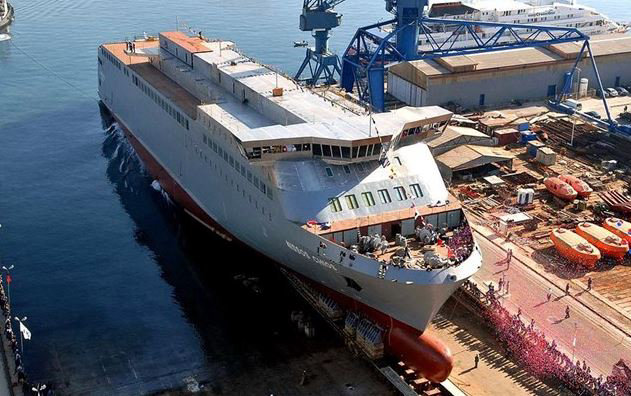
Tsipras'deputy Yiannis Dragasakis and Economy and Development Deputy Minister Stergios Pitsiorlas have also approached the Chinese regarding the Greek government’s keenness to sell the facilities, in a bid to kick-start the country's shipbuilding and ship repair industry.
However, the high level approaches to China's Cosco Shipping seem to have fallen on deaf ears with the Chinese company reluctant to get involved as the Athens' left wing government battles with the European Commission regarding the return by the shipyards of state subsidies.
Three years ago the Antonis Samaras-led conservative government also failed to entice Cosco for the same reason.
While Cosco has said it is interested in being involved in ship construction and repair in Greece, its management is not willing to get engaged in an on-going state subsidies issue.
Greece was taken to the European Court of Justice by the EC for failing to recover EUR250m ($275m) in what Brussels considers to be illegal state aid to Hellenic Shipyards.
Analysts say the amount said to be outstanding could run to EUR540m including interest and would burden the buyer of the shipyards.
Further, Cosco is already facing problems as it tries to finalise the transportation of the first of two floating docks it has ordered for the Piraeus Port Authority (PPA) ship repair zone.
The dock is expected to arrive in Piraeus late spring or early summer depending on when the Chinese group finds a ship able to transport the 80,000-tonne post-panamax dock, with a second, larger dock, slated to follow provided the licensing process can be completed for the first dock without any hitches.
The second dock is a 300,000-tonne capesize floating dock, with Cosco hoping installations can be quickly completed and the new facilities are up and running without delay.
Though the Shipping and Economy ministries are seeking the fastest possible installation of this equipment as Cosco has committed itself to operating ship repairs in the Greek port, location of the installations is still to be decided with local authorities and other community groups in areas in or adjacent to the ship repair zone have raised objections and are preparing to fight the arrival of the docks, citing environmental or archaeological reasons.
David Glass, Greece Correspondent, Seatrade Maritime
http://www.seatrade-maritime.com/
Metrostar Management Sells VLCC Newbuildings
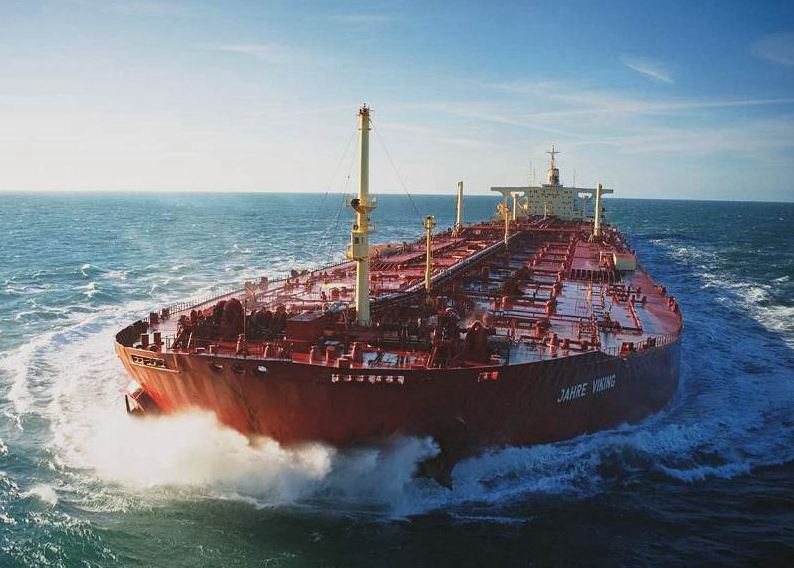
Under the deal reached between the parties, Olympic Shipping will pay a total of USD 162 million for the duo, representing a price of USD 81 million a piece.
The VLCCs in question are the Crude Med and Crude Progress which are currently under construction at the South Korean shipbuilder Hyundai Heavy Industries.
Featuring a length of 333 meteres and a width of 60 meters, the news ships are scheduled for delivery in April and June 2017.
With a capacity of 344,600 cbm, the ships will become a part of Olympic Shipping’s fleet of 17 tankers and 10 bulk carriers.
Navios Maritime Holdings Inc. (NM) Upgraded to Hold at Zacks Investment Research
According to Zacks, “Navios Maritime Holdings Inc. is a seaborne shipping and logistics company engaged in the transport and transshipment of drybulk commodities including iron ore, coal and grain. It operates in three segments: Drybulk Vessel Operations, Tanker Vessel Operations and Logistics Business. The Company also engages in operating ports and transfer station terminals and handles vessels, barges, and push boats, as well as operates upriver transport facilities in the Hidrovia region. Navios Maritime Holdings Inc. is headquartered in Piraeus, Greece. “
Shares of Navios Maritime Holdings (NYSE:NM) opened at 1.8796 on Tuesday. The company’s market cap is $200.03 million. Navios Maritime Holdings has a 12-month low of $0.57 and a 12-month high of $2.40. The firm’s 50-day moving average price is $1.58 and its 200 day moving average price is $1.28.
Navios Maritime Holdings (NYSE:NM) last announced its earnings results on Tuesday, November 22nd. The company reported ($0.25) earnings per share (EPS) for the quarter, beating the consensus estimate of ($0.26) by $0.01. The business had revenue of $113.09 million for the quarter, compared to analysts’ expectations of $130.96 million. Navios Maritime Holdings had a negative return on equity of 8.83\% and a negative net margin of 31.91\%. The business’s revenue for the quarter was down 13.7\% on a year-over-year basis. During the same quarter last year, the firm earned ($0.23) EPS. On average, analysts predict that Navios Maritime Holdings will post ($0.94) earnings per share for the current year.
A number of hedge funds have recently made changes to their positions in the stock. Advisor Group Inc. acquired a new stake in shares of Navios Maritime Holdings during the second quarter valued at approximately $897,000. Parametric Portfolio Associates LLC raised its stake in shares of Navios Maritime Holdings by 37.2\% in the second quarter. Parametric Portfolio Associates LLC now owns 2,272,883 shares of the company’s stock valued at $1,841,000 after buying an additional 616,693 shares in the last quarter. Paloma Partners Management Co acquired a new stake in shares of Navios Maritime Holdings during the second quarter valued at approximately $235,000. LMR Partners LLP acquired a new stake in shares of Navios Maritime Holdings during the second quarter valued at approximately $129,000. Finally, OMERS ADMINISTRATION Corp acquired a new stake in shares of Navios Maritime Holdings during the second quarter valued at approximately $116,000. 10.98\% of the stock is currently owned by institutional investors and hedge funds.
Source: Zacks
DNV GL in China: First AiP for scrubber manufacturer Shanghai Bluesoul
 |
| DNV GL scrubber AIP Bluesoul.Liu Xiaofeng.JackyChow |
The AiP is the first of its kind for a scrubber according to the new DNV GL rule set, and the first for a Chinese scrubber manufacturer. DNV GL will also provide advisory services to Bluesoul, including hardware-in-the-loop testing, simulations using the DNV GL COSMOSS tool and analyses using computational fluid dynamics (CFD).
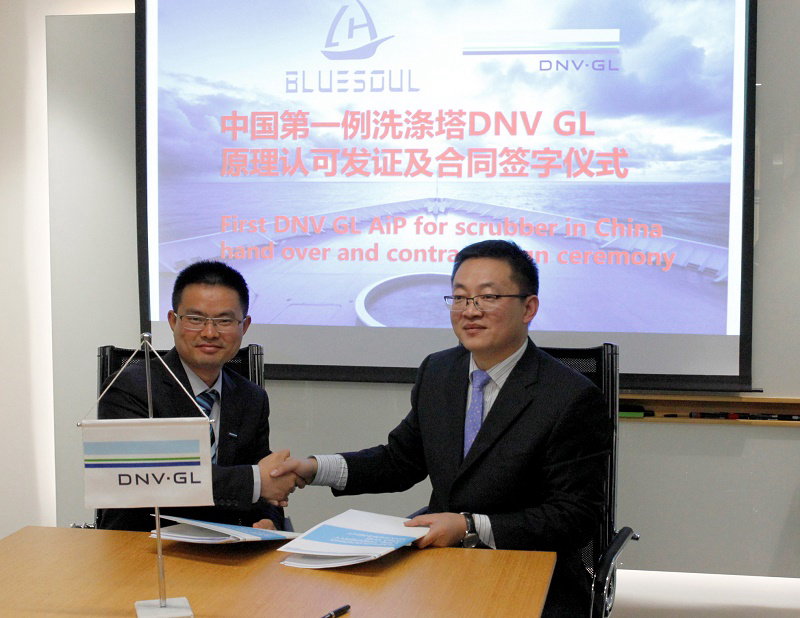
“We are very pleased to be the first Chinese supplier to receive this AiP and it demonstrates BlueSulf’s design in compliance with DNV GL class rules requirements, by using the sodium alkali method to clean exhaust gases. We have signed three scrubber projects with Chinese and European owners and we are also in negotiations for several potential retrofit and new building projects. Thanks to DNV GL’s extensive experience in scrubber technology and our continued collaboration, we are confident that we will gain a large share in the scrubber market,” said Jacky Chow, Chief Operating Officer of Shanghai Bluesoul, at the AiP handover and contract signing in Shanghai.
“For us at DNV GL, this is the first project with a Chinese manufacturer, where we will provide such a comprehensive set of services, ranging from the initial AiP to advisory services and the final certification. This project is a global effort and involves our local specialists in China as well as support from scrubber classification and advisory experts based in Norway, Germany and Greece. We are very pleased about the trust Bluesoul has placed in us and look forward to working closely with the company now and in the future,” said Vincent Li, DNV GL Maritime Regional Business Development Manager in Greater China.
Shanghai Bluesoul’s Bluesulf scrubber is a hybrid system that can switch between open and closed loop mode. This type of system is the most popular at present, as it allows greater flexibility to adjust to changes in water salinity and requirements in different ports. In some areas the use of open loop scrubbers has been prohibited. Able to operate both on seawater and fresh water, the design reduces the sulphur content in exhaust gas to 0.1 per cent or less, ensuring compliance with the requirements of the Chinese Emission Control Area (0.5 per cent) that has been in force in eleven ports in China since 1 January 2017 and the upcoming global sulphur cap.
“These regulations have created a new market for scrubbers in the region and we are pleased to be part of that and support customers in developing safe, reliable and efficient exhaust gas cleaning systems,” adds Fabian Kock, Head of Section Safety and System, DNV GL Approval Centre China.
Hardware-in-the-loop testing
DNV GL is the only classification society to offer hardware-in-the-loop testing on scrubber automation systems through its Marine Cybernetics team. These tests are carried out in a virtual environment, enabling experts to check whether a scrubber control system is robust enough to withstand the expected stresses. By the time an automation system goes into operation at sea, its performance has been fully verified down to the individual line of software code.
DNV GL COSSMOS
DNV GL COSSMOS (Complex Ship Systems Modeling and Simulation) is a simulation tool used to assess and optimize complex integrated ship systems fast and accurately with respect to energy efficiency, emissions, costs, and safety. COSSMOS can support scrubber manufacturers during the design stage, for example by verifying the pump capacity and the correct wash water quantity, according to the specific smoke amount of the intended vessel. It can also identify the PH value of the water a vessel will operate in, in order to verify the design and calculations, as well as reduce the risk of additional production costs.
CFD analyses for scrubber systems
MARPOL MEPC.259(68) requires sufficient dilution of a scrubber’s acidic wash water with respect to the limiting minimum pH value, at 4m distance from the discharge outlet. Computational Fluid Dynamics (CFD) is accepted as an equivalent substitute for in-situ measurements at sea. Using CFD analyses, DNV GL can also provide design optimization recommendations for different components, such as the scrubber discharge outlet arrangement, in order to improve the physical dilution of wash water.
Image caption: Liu Xiaofeng, Head of Department Noise & Vibration, Mechanical & System, DNV GL Maritime Advisory Services Greater China, and Jacky Chow, Chief Operating Officer of Shanghai Bluesoul, sign the advisory service contract.
About Shanghai Bluesoul
Shanghai Bluesoul Environmental Technology Co., Ltd is a professional marine environment protection company that focuses on research and delivery of technical services to their clients. Shanghai Bluesoul has a professional design team: talented members with subject matter knowledge, strong design ability and rich engineering experience, to provide complete ship exhaust gas treatment solutions and personalized services to users. Shanghai Bluesoul explicit promise is ‘minimize the ship operation cost’.
Bluesoul’s scrubbing technology is highly sophisticated, the results of ten years perfecting it to make it as clean and cost effective as it is today. The company offers an all-in-one solution that cools gases and removes sulphur at the same time. Additionally, this system creates zero backpressure.
http://horizontechnosoft.com/blue-soul/
About DNV GL
Driven by our purpose of safeguarding life, property and the environment, DNV GL enables organizations to advance the safety and sustainability of their business. We provide classification, technical assurance, software and independent expert advisory services to the maritime, oil & gas and energy industries. We also provide certification services to customers across a wide range of industries. Operating in more than 100 countries, our professionals are dedicated to helping our customers make the world safer, smarter and greener.
About DNV GL – Maritime
DNV GL is the world’s leading classification society and a recognized advisor for the maritime industry. We enhance safety, quality, energy efficiency and environmental performance of the global shipping industry – across all vessel types and offshore structures. We invest heavily in research and development to find solutions, together with the industry, that address strategic, operational or regulatory challenges. For more information visit www.dnvgl.com/maritime
Dry Bulk Shipping: Q4 provided optimism, Q1 will make sure we don’t get carried away
Demand
Iron ore provides 30\% of the demand for the dry bulk market and, during 2016, its related tonne-mile demand went up by 6\%. This was the key factor behind the overall demand side growth of 2.2\%.
From January to December 2016, Chinese iron ore imports went up by 7.5\%. This means that, for the first time, imports (sea and land borne) exceeded 1bn tonnes in a calendar year. In 2016, all other regions except for China imported less iron ore.
This increase was influenced by Chinese steel prices, which have been on the rise since June when a tonne was priced at Yuan 2,705 (USD 390). By mid-December, the average price of hot rolled coil in China hit Yuan 4,060 (USD 585) per tonne. This has doubled in the last year, and represents a four-year high. It is due to an increase in demand for steel – coming from construction and from increased public spending on physical infrastructure works.
China’s coal import volumes were higher than expected but, as Indonesian exporters grabbed the lion’s share of the demand growth, the dry bulk sector could not reap the full benefit of this upside. This marks a significant change from 2013, when China offered many tonne-miles to the market by importing coal on long haul routes such as the US [read more on this story]. More recently, world coal imports decreased, bringing tonne-mile demand down by 0.6\% in 2016. Despite this, there was a slim demand side improvement for the total dry bulk market, due to grains and other minor bulks.
Legislative actions by Chinese authorities were the swing factor behind higher coal imports in 2016. Their enforcement of the 276 working days per year policy in mid-April had an immediate effect. This policy was later suspended to secure domestic coal supply for the winter season, causing prices to decline.
Freight rates have improved gradually over the year for nearly all segments since the all-time-low we saw back in February 2016. Capesizes were the exception, experiencing a more volatile year as freight rates started to respond to increased demand – as the supply growth rate was no longer sky-high. The rise and fall of capesize rates showed their dependency on Brazilian iron ore cargoes. Rates on 25 November stood at USD 15,000 per day – only to sink to USD 6,500 per day three weeks later.
As BIMCO expected, Q4-2016 delivered the highest level of demand for dry bulk ships ever.
Supply
As the supply side grew by 2.25\% in 2016 against a slightly weaker growing demand side (2.17\%), the most recent data indicates that the market fundamentals worsened. 2016 saw 29 million DWT being scrapped, while 47 million DWT of new capacity was introduced. BIMCO’s forecast for next year is a supply growth rate of 1.6\%. This is higher than the zero-supply side growth rate that BIMCO identified as necessary for market recovery in the dry bulk sector in our “road to recovery” analysis last year. It comes on the back of a continued slowdown in demolition interest – which is itself alarming. The work needed on the supply side is substantial and the low level of demolition merely postpones the recovery.
2016 saw the handymax (40,000-65,000 DWT) sector expand the most as it grew by 5\%. In contrast, the capesize and panamax sectors had much lower growth. In 2016, the panamax sector almost neutralised its newbuild deliveries with its demolition activity, expanding by just 0.6\%. Capesizes grew a little less with a fleet average of 1.9\%.
In the newbuilding market, two things are worth mentioning.
The 31 x 400,000 DWT orders backed by 25-27 years of CoA deals with the Brazilian miner Vale. Of these, 30 were placed by Chinese state-owned interest and one was a Japanese deal.
Just 17 ships were ordered by other owners/investors.
All of which is unprecedented.
2017 will see more orders being placed. Newbuild prices for dry bulk ships have flattened out since mid-August 2016, but owners and investors may be tempted by low prices to go back to the yards for new ships. Lack of activity from the newbuilding yards has meant the second-hand market has been red hot. According to Vesselsvalue, 648 dry bulk ‘trading sales’ happened in 2016. The panamax segment was the busiest with 154 ships traded, equal to 7\% of all panamax dry bulk ships. Average price and age of the traded ships was USD 8.4m and 10.2 years.
February saw an all-time low BDI and a record low in second-hand prices. This was an opportunity for those who engage in the asset-play and trusts in a mean-reversion of prices. For example: A linear decline in asset values from a newbuild at USD 25m, with a lifetime of 20 years to a scrap value of USD 3m, implies a 10-year-old ship has a value of USD 14m (the example is to be boxed out on the page). Those buying for trading may also benefit in the longer run as they re-set the cost levels, at least for some parts of their fleet. While those buying for the asset-play at USD 8.4 million may sell it again if prices revert to the mean.
Outlook
The first quarter always has an overall lower level of demand than any fourth quarter due to seasonality. 2016/17 is no different in that respect. Key indicative commodities (according to SSY) in combination, indicate that demand may contract by as much as 5.4\%, from Q4-2016 to Q1-2017.
But normal seasonality will also play its part, as coarse grain exports out of Argentina, soya exports out of Brazil and wheat out of Australia will go higher in Q1-2017 compared to Q4-2016.
Another noticeable seasonality is the fact that January/Q1 always shows a disproportionate amount of newbuilds delivered. During 2013-2016, January deliveries accounted for 17\% of the year’s total additional DWT-capacity and Q1 deliveries were 35\% of the year’s total. If this is anything to go by, 2017 will see 5.3 million DWT delivered in January and 10.9 million DWT in Q1-2017.
China’s five-year plan involving transport connectivity will not only boost the economy in a “traditional” sense by increasing public spending, but also the planned investment into physical infrastructure improves the forecast for dry bulk imports. In support of the One-Belt, One-Road (OBOR) initiative, USD 259 billion is set to be spent on highway and waterway projects in 2017.
Moreover, as China expands its railway system in 2017-2020, plans to spend USD 503 billion on infrastructure investments also supports both OBOR and dry bulk shipping. As in past years, China’s investments in housing and connectivity is critical for the dry bulk shipping sector as the rest of the world isn’t growing its dry bulk imports.
Usually, by 15 March 2017 the Chinese winter heating period is at an end. During this period, Chinese coal mines benefit from an extension to the official national limit on the number of working days they can operate (from 276 to 330 days). This is to allow them to increase domestic production and thereby ‘control’ the coal price during peak demand seasons. The end of this extension during March may benefit dry bulk shipping if domestic demand for coal exceeds domestic supply while coal prices do not increase significantly as they did in the run from April to the start of the winter heating period.
For the coming months January-April, BIMCO expects supply to outstrip demand and a level of loss-making freight rates will follow in its wake.
BIMCO will provide more details on the “road to recovery” for the dry bulk shipping industry, with a new status update in February 2017.
Source: Peter Sand, Chief Shipping Analyst; BIMCO
Vessel oversupply to continue in chemical shipping
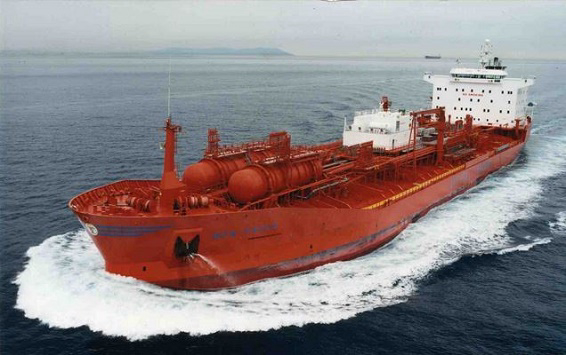
As a result, freight rates on long-haul routes will continue to be challenged by surplus large vessels over the next two years, according to the latest edition of the Chemical Forecaster, published by global shipping consultancy Drewry.
Time charter rates weakened in 2016, especially for larger tankers, and freight rates on major long-haul routes dropped. Although the trade volume from the US to Europe and Northeast Asia surged in 2016, the appearance of speculative vessels brought rates down.

The fleet will continue to expand because of the large number of orders placed in previous years, but growth will be subdued compared to 2015-16. While deliveries and ordering have reduced in 2016, there are still many ships scheduled to be delivered in the next five years because of heavy ordering during 2014 and 2015.
More demolitions are expected because of new regulations that will come into force in 2017. Coupled with the implementation of the Ballast Water Treatment System (BWTS) in September 2017, the adoption of the global 0.5\% sulphur cap may potentially accelerate the rate of vessel demolition towards the end of 2020. However, this is likely to have little impact on fleet supply, as most of the older ships are of less than 10,000 dwt, and thus, the capacity that can be scrapped will be a small percentage of the total fleet.
Time charter rates weakened further in the fourth quarter of 2016, more so for larger tankers. “We expect fleet oversupply to persist in 2017 and time charter rates for larger ships, especially MRs, to decline because of stiff competition. However, rates for vessels in the smaller categories are likely to remain stable in 2017,” commented Hu Qing, Drewry’s lead analyst for chemical shipping.
“The chemical fleet grew by 5.2\% in 2016 and is expected to expand by 3.3\% to the end of 2017, which will continue squeezing rates on major routes over the next two years. New orders and deliveries are also expected to decline further because of the depressed market and financial woes of shipyards,” added Qing.
Source: Drewry
Capital Product Partners L.P. Announces Fourth Quarter 2016 Financial Results
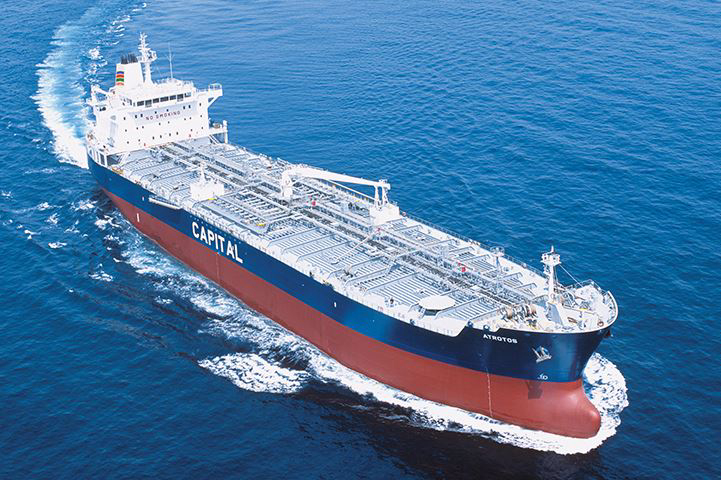
ATHENS, GREECE -- (Marketwired) -- 01/31/17 -- Capital Product Partners L.P. (the "Partnership" or "CPLP") (NASDAQ: CPLP), an international diversified shipping partnership, today released its financial results for the fourth quarter ended December 31, 2016.
The Partnership's net income for the quarter ended December 31, 2016 was $13.7 million compared with $15.4 million for the fourth quarter of 2015 and $11.8 million for the previous quarter ended September 30, 2016. After taking into account the preferred interest in net income attributable to the unit holders of the 12,983,333 Class B Convertible Preferred Units outstanding as of December 31, 2016 (the "Class B Units" and the "Class B Unitholders"), and the interest attributable to the general partner, net income per common unit for the quarter ended December 31, 2016 was $0.09, compared to $0.10 for the fourth quarter of 2015 and $0.07 for the previous quarter ended September 30, 2016.
Operating surplus (a non-GAAP financial measure) prior to Class B Units distributions for the quarter ended December 31, 2016 amounted to $34.0 million, a decrease of 3\% compared to $35.2 million for the fourth quarter of 2015 and an increase of 7\% compared to $31.7 million for the previous quarter ended September 30, 2016, excluding the previously disclosed proceeds from the sale of the Hyundai Merchant Marine Co. Ltd shares ("HMM") of $29.7 million. We allocated $14.6 million to the capital reserve during the fourth quarter of 2016, unchanged compared to the previous quarter. As announced on April 26, 2016, the Partnership intends to make quarterly allocations to a capital reserve for the foreseeable future to fully provide for the debt repayments coming due through the end of 2018. Operating surplus after the quarterly allocation to the capital reserve and distributions to the Class B Unitholders was $16.6 million for the fourth quarter in 2016. Operating surplus is a non-GAAP financial measure used by certain investors to measure the financial performance of the Partnership and other master limited partnerships. Please refer to "Appendix A" at the end of the press release for a reconciliation of this non-GAAP measure with net income.
Total revenues for the fourth quarter of 2016 reached $62.4 million, an increase of 5\% compared to $59.4 million during the fourth quarter of 2015. The increase in total revenues was primarily a result of the expansion of our fleet partly offset by the reduction in the charter rate payable to our vessels under charter with HMM following its financial restructuring in July 2016.
Total expenses for the fourth quarter of 2016 were $43.2 million compared to $38.9 million in the fourth quarter of 2015. Total vessel operating expenses during the fourth quarter of 2016 amounted to $20.4 million, an increase of 11\% compared to $18.3 million during the fourth quarter of 2015. The increase primarily reflects the expansion of our fleet. Total expenses for the fourth quarter of 2016 includes vessel depreciation and amortization of $18.4 million compared to $17.0 million in the fourth quarter of 2015, an increase of 8\% which is also attributable to the expansion of our fleet. General and administrative expenses for the fourth quarter of 2016 increased to $1.8 million, compared to $1.3 million in the fourth quarter of 2015, primarily as a result of certain expenses related to the acquisition of M/T 'Amor' incurred during the fourth quarter of 2016 and equity compensation expenses recognized during 2016 in relation to our Incentive Compensation Plan.
Total other expense, net for the fourth quarter of 2016 was $5.4 million compared to $5.1 million for the fourth quarter of 2015. Total other expense, net in the fourth quarter of 2016 includes interest expenses and finance costs of $6.2 million, compared to $5.5 million in the fourth quarter of 2015. The increase primarily reflects higher interest costs incurred during the fourth quarter of 2016, mainly as a result of an increase in the principal amount of debt outstanding during the period compared to the same period in 2015 and an increase in the LIBOR weighted average interest rate. Other income increased to $0.8 million in the fourth quarter of 2016 compared to $0.4 million in the fourth quarter of 2015 mainly due to an increase in foreign exchange gains recognized during the fourth quarter of 2016 compared to the same period in 2015.
As of December 31, 2016, total partners' capital amounted to $927.8 million, a decrease of $10.0 million compared to $937.8 million as of December 31, 2015. The decrease primarily reflects distributions declared and paid during 2016 in the total amount of $68.2 million, partially offset by our net income for the year ended December 31, 2016, the net proceeds from the issuance of common units under our at-the-market equity offering (the "ATM offering") and the equity compensation expense.
As of December 31, 2016, the Partnership's total debt increased by $33.4 million to $605.0 million, compared to $571.6 million as of December 31, 2015. The increase was due to a $35.0 million drawdown under our $225.0 million senior secured credit facility with ING Bank to fund the acquisition of the M/V 'CMA CGM Magdalena', which was delivered in February 2016, and the assumption of a $15.8 million term loan under a new credit facility with ING Bank, in relation to the acquisition of the M/T 'Amor' in the fourth quarter of 2016. The term loan is non-amortizing for a period of two years from the anniversary of the dropdown of the M/T 'Amor' with an expected final maturity date in November 2022. The interest margin on the term loan is 2.50\%. The term loan is subject to ship finance covenants similar to the covenants applicable under our existing facilities. The increase in the Partnership's total debt was partially offset by $17.4 million of scheduled loan principal payments under the $225.0 million ING Bank credit facility during the year 2016.
Acquisition of M/T 'Amor'
In October 2016, as previously announced, we acquired from Capital Maritime the eco-type MR product tanker 'Amor' (49,999 dwt IMO II/III Chemical Product Tanker built 2015, Samsung Heavy Industries (Ningbo) Co., Ltd.) for total consideration of $32.7 million, including the assumption of a $15.8 million term loan under a new credit facility with ING Bank, $16.0 million in cash and the issuance of 283,696 new common units to Capital Maritime. The M/T 'Amor' is employed under a time charter to Cargill at a gross daily rate of $17,500.
Management Agreement Amendments
The Partnership has entered into an agreement with our Manager, Capital Ship Management ("CSM"), a subsidiary of our sponsor Capital Maritime, to amend certain terms under the Crude Carriers Management Agreement, which applies to three of our crude tanker vessels in our fleet, the M/T 'Aias', the M/T 'Miltiadis M II' and the M/T 'Amoureux', which were acquired as part of the merger with Crude Carriers Corp. in September 2011. Under the terms of the amendments, CSM has agreed to waive going forward (i) the sale and purchase fee equal to 1\% of the gross purchase or sale price upon the consummation of any purchase or sale of the three vessels and (ii) the commercial services fee equal to 1.25\% of all gross charter revenues generated by each of the three vessels for commercial services rendered. There is no consideration payable by the Partnership for these amendments. The effective date of these amendments is January 1, 2017. There are no other such fees payable to CSM for any of our vessels.
Fleet Employment Update
In connection with the spin-off of International Seaways, Inc. ("INSW") (formerly known as OSG International Inc.), a wholly owned subsidiary of Overseas Shipholding Group ("OSG"), from its parent, INSW agreed to increase the gross daily hire rate of M/T 'Aristotelis II', M/T 'Alexandros II' and M/T 'Aris II' from $6,250 per day to $6,600 per day commencing on November 30, 2016 until the end of their respective bareboat charter agreements in July 2018.
The M/T 'Aristotelis' (51,604 dwt IMO II/III Chemical Product Tanker built 2013, Hyundai Mipo Dockyard Ltd., South Korea) has secured new time charter employment with Capital Maritime for twelve months (+/- 30 days) at a gross daily rate of $13,750. The new charter commenced in January and the earliest re-delivery is in December 2017. The charterer has the option to extend the time charter for an additional twelve months (+/-30 days) at a gross daily rate of $15,000. The vessel was previously employed under a time charter to Capital Maritime at a gross daily rate of $19,000.
The M/T 'Arionas' (36,725 dwt, Ice Class 1A IMO II/III Chemical/ Product Tanker, built 2006, Hyundai Mipo Dockyard, South Korea) has been chartered to Capital Maritime for 12 months (+/- 30 days) at a gross daily rate of $11,000 per day. The charter commenced in January with the earliest charter expiration in December 2017. The charterer has the option to extend the time charter for an additional twelve months (+/-30 days) at a gross daily rate of $13,750. The vessel had been previously employed in the spot market, as it completed its scheduled special survey in November 2016.
As a result of the new charters listed above, our charter coverage for 2017 has increased to 82\%.
Quarterly Common and Class B Unit Cash Distribution
On January 18, 2017, the Board of Directors of the Partnership declared an increased cash distribution of $0.08 per common unit for the fourth quarter of 2016 payable on February 15, 2017 to common unit holders of record on February 6, 2017.
In addition, on January 18, 2017, the Board of Directors of the Partnership declared a cash distribution of $0.21375 per Class B Unit for the fourth quarter of 2016, in line with the Partnership's Second Amended and Restated Partnership Agreement, as amended. The fourth quarter of 2016 Class B Unit cash distribution will be paid on February 10, 2017 to Class B Unitholders of record on February 3, 2017.
Market Commentary
Product & Crude Tanker Markets
Product tanker spot rates remained depressed for most of the fourth quarter of 2016, but saw a gradual improvement towards the latter part of the three-month period. In the first month of the quarter, the market was under pressure as lack of arbitrage opportunities and high product inventories had a negative impact on medium-range tanker ("MR") chartering activity, offsetting firm U.S. and Chinese product exports. However, the market improved from November onwards, particularly in the western hemisphere, on the back of seasonally stronger demand, increased West Africa imports and refinery outages in Latin America. Furthermore, the gasoline arbitrage window opened in the Atlantic and as a result rates on the transatlantic trade rose to the highest level since January 2016. The market also strengthened in the eastern hemisphere as refineries returned from maintenance, but the improvement was moderated by high vessel supply.
As a result of the weak spot market overall, the period market remained close to historically low levels with only a limited amount of period fixtures taking place in the fourth quarter of 2016.
On the supply side, there was minimal activity in terms of new orders for product tankers and the MR orderbook currently stands at 9.0\%, its lowest level since 2000. In addition, the product tanker deliveries continued to experience slippage during 2016, as approximately 27\% of the expected MR and handy size tanker newbuildings were not delivered on schedule. Analysts estimate that net fleet growth for product tankers will amount to 3.6\% in 2017, well below the 2016 growth rate of 6.1\%. On the demand side, analysts expect growth of 2.0\%, largely supported by continued growth in U.S. products exports, as well as an expected decline in European refinery throughput, which is expected to have a positive impact on product imports in the region.
Suezmax spot earnings improved considerably in the fourth quarter of 2016, compared to the previous quarter. Demand for Suezmaxes was seasonally strong, while overall volumes were boosted by a sharp rise in crude oil cargoes in the Middle Eastern Gulf and West Africa. OPEC oil production reached record levels increasing employment opportunities for Suezmaxes, at the same time as oil production in Nigeria recovered on the back of a de-escalation in oil supply disruptions. In addition, Chinese crude oil imports continued rising, reaching a new record in December, buoyed by increased demand from teapot refineries. In addition to the high seasonal demand, vessel supply was tightened as a result of increased transit delays, which contributed to the positive sentiment.
The firm spot market had some positive impact on period activity, although the number of fixtures reported during the quarter remained limited.
On the supply side, the Suezmax orderbook represented, at the end of 2016, approximately 17.7\% of the current fleet. Contracting activity has been subdued, with 14 Suezmax tankers ordered in 2016, while analysts estimate that slippage for the twelve-month period amounted to 31\% of the expected deliveries for 2016. In terms of demand, Chinese and Indian seaborne crude imports are projected to rise firmly in 2017, by 8\% and 5\% respectively, potentially partly counterbalancing the negative impact from the announced oil production reduction by OPEC and some non-OPEC producers in 2017.
Neo-Panamax Container Market
The container charter market in the fourth quarter of 2016 remained largely unchanged compared to the previous quarter, with container vessels of all types being chartered at or close to historically low levels.
The container sector consolidation continued with Japan's three biggest liner companies agreeing to combine their container operations, while Maersk Line announced an agreement to acquire the German container shipping line, Hamburg Süd. If all announced mergers acquisitions materialize, it is estimated that the top ten liner companies will deploy around 80\% of the available container tonnage.
The idle container fleet saw a marginal increase from 6.7\% in the previous quarter to 7\% at the end of the fourth quarter of 2016.
Analysts have revised their demand growth estimate for containerized cargo for full-year 2016 down to 3.2\% from 3.4\% in the previous quarter, with net fleet growth for 2016 also being revised downwards to 1.1\% from 2.2\% in the previous quarter. The substantial reduction in the net fleet growth estimate was mainly due to a surge in demolition towards the end of 2016. The total container vessel demolition for the year amounted to a record 660,000 TEU compared to 193,156 TEU for 2015. The average age of scrapped tonnage fell to 18.6 years from 23 years in 2015.
As at the end of the fourth quarter of 2016, the container order book stood at 15.9\% of the current fleet, down from 16.4\% in the previous quarter, which is the lowest since 1999, while slippage for container vessels of all sizes amounted to 36\% for the full year. Going into 2017 analysts forecast demand growth of 4.0\% to marginally outpace net fleet growth of 3.7\%.
The increased consolidation currently under process in the liner business, as well as the rationalization of the supply of vessels through increased vessel demolition, cancellation of newbuilding orders and slippage as well as lack of new ordering, is expected to set the ground for a supply led recovery for container charter rates in the medium to long run.
Management Commentary
Mr. Jerry Kalogiratos, Chief Executive and Chief Financial Officer of the Partnership's General Partner, commented:
"The start of 2016 was marked by the severe equity and debt market pricing dislocation that affected the majority of publicly traded master limited partnerships, including us and which adversely impacted our cost of capital. As a result, in April 2016, our board of directors approved a quarterly capital reserve of $14.6 million to fully provide for the substantial debt repayments coming due up until the end of 2018 and set a new, sustainable common unit distribution level.
"Since then, we have taken steps to address a number of the issues that caused the underperformance of our units. First, we successfully renegotiated our charters with HMM, one of our largest counterparties, which went through a major financial restructuring. This resulted in a 20\% reduction of the charter rates of our vessels employed with HMM effective until the end of 2019. However, the financial impact of this reduction was largely offset by promptly liquidating the equity compensation we successfully negotiated and received from HMM in return for this charter rate reduction, as we recovered approximately 80\% of our total charter hire loss. Second, we expanded our fleet by acquiring in the fourth quarter 2016 a modern, eco MR product tanker from Capital Maritime with an attractive charter to Cargill. We have funded part of the acquisition cost with the proceeds from the sale of the HMM equity compensation. Third, we continue to have access to a number of dropdown opportunities from our sponsor including five eco MR product tankers, for which we have a right of first refusal, as well as other assets including two crude Aframax tankers with five year charters. Fourth, we launched an ATM offering for up to $50 million, with the aim of raising further capital over a period of time for vessel acquisitions, debt repayment or refinancing and general corporate purposes. We aim to only gradually execute the offering. Finally, we are pleased to announce that our Sponsor, Capital Maritime, has recently agreed to waive certain legacy management fees for three vessels of our fleet, which were the only vessels in our fleet that incurred such fees."
"As announced in October, we are pleased that with the acquisition of the MT 'Amor', our Board of Directors has approved the increase of our quarterly distribution to $0.08 per common unit from this quarter onwards. Our objective is to further increase the long term distributable cash flow of the Partnership by pursuing additional accretive transactions going forward and by refinancing our debt under favorable terms."
Iran owns world’s largest tanker fleet
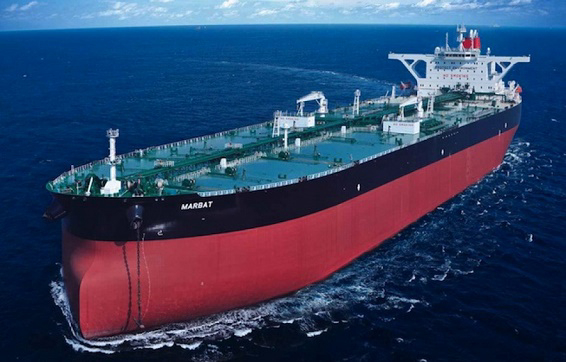
New Managing Director of the National Iranian Tanker Company (NITC) Sirous Kianersi made the remarks saying “presently, capacity of vessels belonging to NITC has climbed to over 15.5 million tons per year.”
He reiterated that NITC owned that world’s largest crude oil tanker flotilla and touched upon expansion of the country’s fleet in the post-JCPOA era asserting “in the era emerged following removal of international sanctions, Iran’s tanker fleet have directly served the National Iranian Oil Company (NIOC) for crude oil exports.”
The official emphasized that given the removal of sanctions and certain limitations, a number of Iranian tankers have been lent out to giant European oil companies like Spain’s Cepsa, Eni of Italy as well as the Netherlands; “nevertheless, renewal and development of the current tanker fleet has been put on the agenda.”
When asked whether domestic manufacturers possessed necessary capabilities for building new tanker ships, Kianersi explained that expansion of tanker fleet would be carried out on the basis of Resistance Economy policies.
NITC head said domestic capacities will be exploited in case Iranian manufacturers are able to build ships in accordance with international standards; “in order to commute in uncharted waters, oil tankers need to enjoy certain mandatory standards which should be taken into account by domestic ship builders.”
Sirous Kianersi also pointed to influence of the plunge in crude prices on revenues of Iranian tankers stating “the decline in oil prices has undoubtedly lowered earnings of NITC.”
Referring to the emergence of a crisis in transport of crude since global oil prices plummeted, he reiterated that “overall, incomes of NITC have been reasonable in the meantime.”
NITC managing director has recently reported on signing 35 lease contracts for lending out Iranian tankers to several European oil firms.
Source: Mehr News
M/V HISPANIA GRAECA rescues four philippino shipwrecked fishermen
 |
 |
| (pic.1). |
About half an hour later, all four men were on board, tired, hungry and thirsty, due to their four days’ struggle to survive (pic. 2)
 |
| (pic.2). |
Upon their embarkation, they were provided with blankets, food, water and clean clothes, while their physical condition (blood pressure, temperature etc.) was checked by the vessel’s officers (pic. 3).
 |
| (pic.3). |
Eventually, and at 17:30 local time, the four fishermen were transferred to another boat, sent by the local Coast Guard, and were taken safely to the nearest island, Balut.
At this point, it is interesting to go back to Greek history and note the importance the Greeks were placing on the paramount duty of rescuing the shipwrecked. In 406 B.C., the Athenians and the Spartans fought a sea battle –the greatest ever in between Greeks- in Arginusae. The Athenians won but with great losses in ships and men.
After the battle, the Athenian fleet returned to Athens. However, the Athenian "Generals/Admirals", in spite of being victorious, they were put on trial by the Athenian Republic, they were condemned to death, they were executed and their estate confiscated, because after the sea battle, even though the prevailing weather was very bad, they sailed away without collecting the shipwrecked -“ουκ ανείλοντο τούς ναυαγούς”. (Xenophon, Hellenica 1, 7).
In this regard, the Management of Angelakos (Hellas) S.A. congratulated the Master, Officers and Crew of m/v Hispania Graeca for doing their duty as seamen.

Powered by  © Μaritimes 2019