


Dorian LPG Ltd. Enters Into Memorandum Of Understanding With Hyundai Global Service Co., Ltd. To Cooperate On Vessel Upgrades
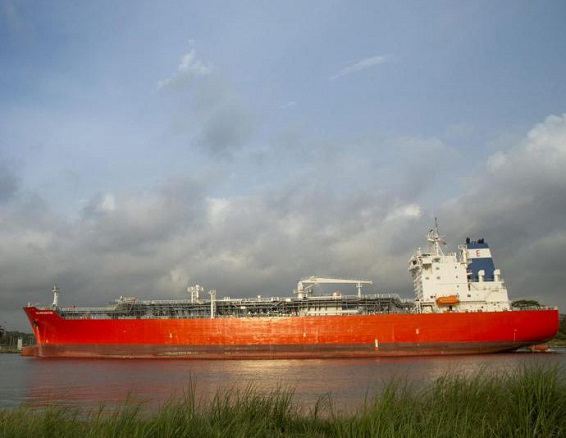
STAMFORD, Conn., May 4, 2018 /PRNewswire/ -- Following a signing ceremony in Houston, Dorian LPG Ltd. (NYSE: LPG) (the "Company" or "Dorian LPG") announced today it has entered into a memorandum of understanding with Hyundai Global Service Co., Ltd ("HGS") to undertake research and preliminary engineering studies to upgrade the main engines of up to 10 of the Company's very large gas carriers ("VLGCs") to dual fuel technology utilizing liquefied petroleum gas ("LPG") as fuel in anticipation of upcoming environmental regulations to reduce Sulphur emissions.
John Hadjipateras, Chairman and Chief Executive Officer of the Company, stated: "The cargo transported by our vessels is an energy source with well-documented environmental benefits relative to other fuels. We are undertaking this initiative with the dual goals of acting as a responsible corporate citizen and potentially achieving a significant competitive advantage that will benefit both our customers and shareholders."
Ki Sun Chung and Kwang Hean An, Co-CEO & President of HGS added, "We are pleased to be partnering with a first-class organization with whom we have a long-standing relationship. Both HGS and Dorian LPG are committed to the advancement of technology that provides the global shipping industry alternatives to achieve compliance with important environmental mandates."
This initiative follows the conclusion of a study announced in September 2017 by Dorian LPG and the American Bureau of Shipping to evaluate the use of LPG as marine fuel in advance of the International Maritime Organization's (IMO) mandate to reduce Sulphur emissions by approximately 85\% effective January 1, 2020. The Company believes in the viability of LPG as an attractive and cost-effective alternative fuel that is widely available and inherently compliant with the IMO mandate. LPG as a fuel source has a significant advantage over other potential sources, including LNG, methanol and marine gas oil given the abundant availability of LPG from the shale exploration boom and the existing global distribution network and onshore and floating storage infrastructure for LPG. As part of its recent new building program, Dorian LPG proactively included enhancements to its VLGC vessels design to allow for the option of using LPG as a marine fuel.
About Dorian LPG Ltd.
Dorian LPG is a liquefied petroleum gas shipping company and a leading owner and operator of modern VLGCs. Dorian LPG currently owns and operates twenty-two modern VLGCs. Dorian LPG has offices in Stamford, Connecticut, USA, London, United Kingdom and Athens, Greece.
http://www.dorianlpg.com
Kyriakos Anastassiadis completes his term as CEO of Celestyal Cruises
 |
| Chris Theophilides |
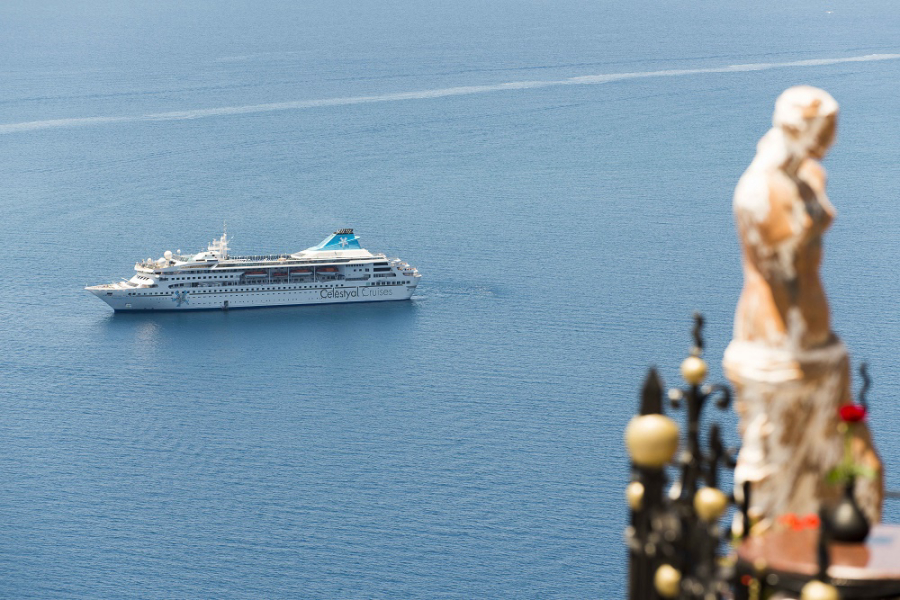
Celestyal Cruises would like to thank Mr. Anastassiadis for his contribution to the development of Celestyal Cruises and wishes him good health and success in his future endeavors.
Celestyal Cruises appoints Chris Theophilides to the position of CEO of Celestyal Cruises, as of July 1, 2018. Theophilides has been working in the cruise industry since 2006 and has held the position of Vice President of Strategy and Business Development of Celestyal Cruises since October 2014. Most recently, he was appointed Chief Operating Officer (COO) of the company in January 2017, supporting the CEO in a wide range of cross-functional activities.
Theophilides graduated from Rutgers University, New Jersey in 1995, where he earned a Bachelor of Arts degree in Economics. He continued his studies at the same institution to attain a Master’s degree in Business Administration (MBA) in 1997. From 1998 to 2006, he served as Senior Manager, Corporate Finance at PricewaterhouseCoopers (PwC), where he qualified as a Certified Public Accountant (CPA). He is also a member of the American Institute of Certified Public Accountants (AICPA).
Celestyal Cruises welcomes Mr. Theophilides to his new position and wishes him success in his new role.
About Celestyal Cruises
Celestyal Cruises is the home-porting cruise operator in Greece and the preeminent cruise line serving the Greek Islands and the Eastern Mediterranean. The company operates four mid-sized vessels, each one cosy enough to provide genuine and highly-personalized services. The foundation of the company’s philosophy is the ‘destination.’ Every cruise focuses on true cultural immersion, offering authentic, lifetime experiences both on board and on shore wherever its vessels sail.
Awards & Recognition
In February 2018 Celestyal Cruises received four Cruise Critic Cruisers Choice Awards: two first place awards, for Shore Excursions and Value, and two second place awards, for Service and Entertainment. In 2017 Celestyal Cruises was given the UK Editors’ Picks Award for Best Service by Cruise Critic, as well as four Cruise Critic Cruisers’ Choice Awards: Best (mid-sized), Embarkation, Entertainment, Shore Excursions and Value.
Corporate Responsibility
Celestyal Cruises is deeply committed to sustainability and ethical business practices. The company actively supports the local communities in the destinations it visits, particularly in the field of education. Since 2015, more than 1,200 students on the Greek islands of Ios, Milos and Patmos have enjoyed a ‘journey to knowledge’ by attending specialized educational programs initiated by Celestyal Cruises. Celestyal Cruises also supports cultural NGOs to promote youth entrepreneurship, marine student development and child welfare.
ISO Certification
The entire spectrum of Celestyal Cruises’ ship management – including technical, hotel and crew management, and offices – is certified in accordance with ISO 9001/14001 standards. The certifying authority is DNV-GL, which is widely recognized as the biggest and most respected rating agency in the marine industry.
Connect with Celestyal Cruises
Cooperation between DEPA, BEH and GASTRADE to promote the commercial operation of the “LNG Terminal in Northern Greece” in Alexandroupolis
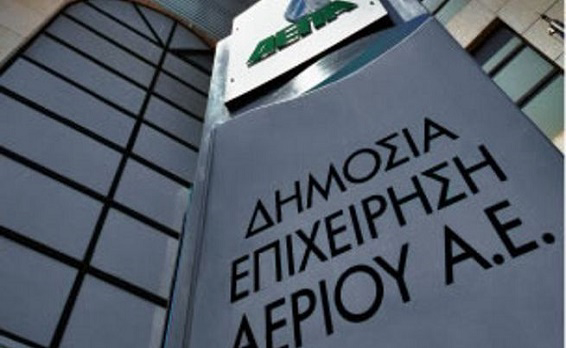
Mr. Dimitris Tzortzis and the Managing Director of GASTRADE, Mr. Konstantinos Spyropoulos, have reached yesterday in Athens agreement regarding the future capacity reservation by DEPA to the Project of Common Interest “LNG Terminal in Northern Greece” developed by GASTRADE in Alexandroupolis as well as for DEPA’s participation in the relevant market test that will be carried out in the coming months.
This is a follow-up to the cooperation agreement signed by the two parties for the participation of DEPA in the share capital of GASTRADE, which is expected to be completed soon, as well as for the joint efforts of the parties for further commercial development of the Project.
At the same time, following to the meeting of the Energy Ministers of Greece and Bulgaria, Messrs. Stathakis and Petkova, in Sofia on 18-04-2018, the Bulgarian side confirmed its intention to speed up the respective negotiations for the completion of its own participation in the Project
Storyline
GASTRADE S.A. is a Greek company that studies, designs, constructs, manages and operates gas infrastructure. GASTRADE develops the Independent Natural Gas System (INGS) "LNG Terminal in Northern Greece" in Alexandroupolis, for which all required licensing has been completed in order to begin its construction.
The Project will ensure new gas quantities to supply the Greek and regional markets of Southeastern Europe, contributing at the same time to the expansion of gas supply sources and routes, the promotion of competition for the benefit of the final consumers, security of supply in Greece and the Balkan countries as well as to improve the reliability and flexibility of the National Natural Gas System as well as of the regional and trans-European systems.
On February 9, 2017 GasLog Ltd., announced that it had acquired a 20\% shareholding in Gastrade.
GasLog Ltd. (NYSE: GLOG) is an international owner, operator and manager of LNG carriers providing support to international energy companies as part of their LNG logistics chain. GasLog's consolidated owned fleet consists of 29 LNG carriers (25 ships on the water and four on order).
DEPA S.A. with its long presence in the Greek gas market is a modern and competitive group of companies with a dynamic presence in the energy sector. DEPA promotes the development of strategic infrastructure for the supply of gas from diversified sources and routes at competitive prices, with a view to taking a leading role in the markets of the wider region of Southeastern Europe.
Bulgarian Energy Holding EAD (BEH) is the holding company for a group of companies which are principally engaged in electricity generation, supply and transmission, natural gas transmission, supply and storage and coal mining. BEH Group holds a leading position in the electricity and gas market in Bulgaria and, through electricity exports, in the Balkans. BEH is wholly owned by the Bulgarian state and is the largest state-owned company in terms of total assets in the country. The rights of ownership of the state are exercised by the Minister of Energy.
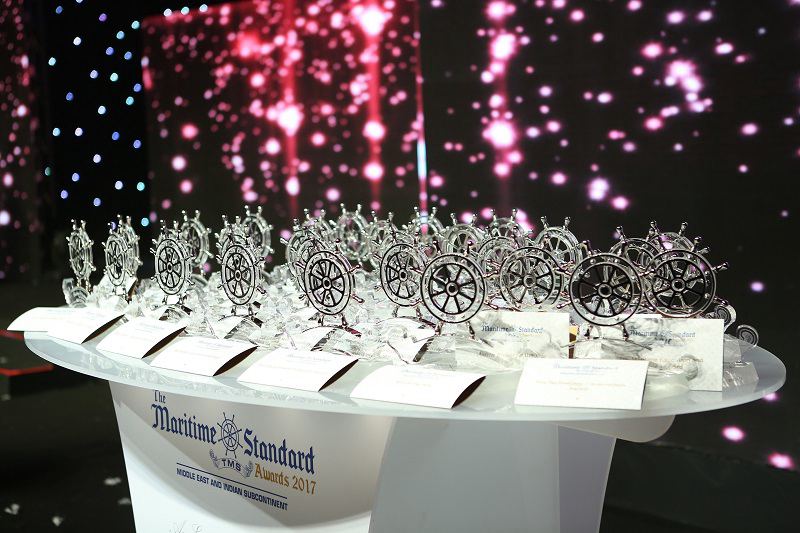
Judges announced, it’s time to prepare for The Maritime Standard Awards 2018
 |
Clive Woodbridge, Editor of The Maritime Standard, and Chairman of the judging panel, says, “We are giving companies a bit of a head start, with a pre-nominations announcement. Now is the time to start planning your nominations and begin to gather together the evidential information you will need to submit.”
He adds, “It takes time to put together a high quality nomination and those who are successful have usually put a lot of effort into compiling evidence against all the key criteria for their particular category. My advice is the sooner you start the process, the better your chance of a positive outcome will be.”
There will be around 28 different awards presented on the night, covering a range of activities in shipping, ports, and related sectors. The majority of these will be selected by an eminent panel of independent judges.
The Judging Panel for the Maritime Standard Awards 2018 has now been confirmed. Chaired by The Maritime Standard editor, Clive Woodbridge, the Judging Panel is made up of experienced, well respected individuals that have been drawn from many different fields and countries to ensure that the Awards maintain their reputation for being the “Gold Standard” awards for the industry.
This year The Maritime Standard is pleased to confirm that the judges will comprise: Clive Woodbridge, Editor, The Maritime Standard; Abdulla Bin Damithan, Chief Commercial Officer, DP World; Abdulkareem Al Masabi, Chief Executive, ADNOC Logistics & Services; Ali Shehab, Deputy CEO, Kuwait Oil Tanker Company (KOTC); Angus Frew, Secretary General and Chief Executive, BIMCO; Capt. Anoop Kumar Sharma, Chairman and Managing Director, The Shipping Corporation of India; Capt. David Stockley, Chief Operating Officer, Oman Shipping Company; Capt. Jitendra Misra, Managing Director, Emarat Maritime; Dr. Mustafa Massad, President, Jordan Academy for Maritime Studies; Capt. S.R. Patnaik, Director and Chief Executive Officer, International Shipping and Logistics; Ruwan Waidyaratne, Managing Director of Hayley's Advantis Limited and Chairman of Ceylon Association of Ships Agents (CASA); and Eng. Sherine El Naggar, Chairman, AK Naggar Group.
All the judges for the Maritime Standard Awards 2018 are experts in their fields, with many years of experience in shipping, ports, ship agency and logistics, maritime training and other areas of the maritime industry. The judges independently assess the nominations and submit marks based on predetermined criteria to ensure a transparent and fair process.
Trevor Pereira, Founder and Managing Director of The Maritime Standard, says, “We are delighted that these leading figures in the industry, whose knowledge spans many different market segments and geographical regions, have agreed to be part of the judging process. Their expertise and integrity are unquestionable and the industry can have every faith in their judgment in adjudicating who are the most worthy winners in all categories.”
The Maritime Standard Awards is a glittering ceremony that recognises exceptional achievements and innovations within the region. Over 700 prominent personalities are expected to attend the gala dinner and awards, representing many of the biggest and most prominent companies within the Middle East and the Indian Subcontinent.
Ali Shehab, Deputy CEO, Kuwait Oil Tanker Company (KOTC), says, “The TMS judging process is very transparent, accountable and fair. I strongly encourage companies to nominate themselves for the Awards, as it is a very valuable experience.”
Capt. Jitendra Misra, Managing Director, Emarat Maritime, adds, “The difference between a good and a great nomination usually lies in the effort put into the entry. So do your research and put effort in at this stage of the process.”
Nominations are invited from across the region, including the Middle East and the Indian Subcontinent. A full list of categories can now be found on http://www.tmsawards.com/award-categories/.
Nominations will open on the 15th May 2018.
Editor’s Note: About The Maritime Standard
The Maritime Standard (TMS), publishes a regular e-newsletter aimed specifically at the shipping and maritime community. It is delivered fortnightly, on the 1st and 15th of every month. It delivers the most accurate, up-to-date news about the market and has built up the largest readership of any shipping-related online newsletter in the Middle East and India. It is also gaining popularity in other major shipping hubs, including Oslo, Hamburg, Singapore, London and Greece. The newsletter includes news and analysis from the shipping and ports industries and related sectors in the Middle East and the Indian Subcontinent. Topics that are covered include tanker shipping, container operations, dry and liquid bulk trades, ro-ro, and cruise shipping. In addition there is up to date information about regional terminal operations; port development; classification; ship repair and conversion; shipbuilding; ship agency; finance and insurance; maritime law; and transportation & logistics. The newsletter regularly carries exclusives, analysis and interviews with top executives.
TMS also publishes the very successful TMS UAE Yearbook. The first 2016/17 edition was followed by a second volume covering 2017/18, that was launched in July last year. Covering key developments across the country’s maritime sector, the annual publication aims to publicise the UAE’s achievements both locally and internationally, through in depth articles, researched first hand. These cover all the major sectors of the shipping, ports and maritime industry in the UAE. The articles, on terminals, shipping companies, shipyards, maritime law firms, classification, regulators and inland transport firms, among others, have been well received by the industry as a year round reference point. The Maritime Standard UAE Yearbook 2017/18 is a must-read publication for everyone interested in UAE maritime issues, and can be downloaded by going to: http://www.themaritimestandard.com/uae-yearbook- 2017-18
Preparations for the 2018/19 issue are well underway and this will be published in the summer of 2018.
Website: www.themaritimestandard.com
The not-to-be missed The Maritime Standard Awards recognise and celebrate success in the shipping, ports and related sectors across the Middle East and the Indian Subcontinent. The fifth edition of TMS Awards will take place on Monday, on 15th October 2018 at The Atlantis, The Palm, Dubai.
The Awards are now positioned as one of the world's leading shipping and maritime Awards gala dinners and are the premier event of their kind in the region. All of the four events to date have been held under the patronage of His Highness Sheikh Ahmed bin Saeed Al Maktoum, and have each attracted close to 700 of the region's elite shipping and maritime professionals, as well as a number of leading figures from overseas. These guests have come from a variety of industry segments, ranging from ports and terminal operators to ship owners and managers, and executives from the worlds of maritime law and finance, classification, ship building and repair and maritime education and training.
For the inaugural event in 2014 PR guru, journalist and writer Alastair Campbell performed as master of ceremonies, while in 2015 Dutch soccer legend, Ruud Gullit compered the event and in 2016 former CNN news anchor, Jim Clancy, was on stage to lead proceedings.
The 2017 TMS Awards event, which was hosted by the well-known actress and model, Lara Dutta, saw 20 general awards presented, following the recommendations of an elite, independent judging panel, as well as a number for special individual awards recognising the contributions made by high profile industry leaders and innovators. The Awards have set a benchmark within the industry and have become an eagerly anticipated meeting place for top executives from across the business, where they can meet, network and create new opportunities.
Website: www.tmsawards.com
The third Maritime Standard Tanker Conference will be held on 16th October 2018 at Atlantis, the Palm, Dubai. Attendees will include key decision makers and opinion formers who were able to discuss the challenges and opportunities that exist, not just for ship owners and operators active in the tanker markets, but those delivering products and services to this sector. The second TMS Tanker Conference took place on 24th October 2017 at the Grosvenor House Hotel, Dubai. Presentations were given by many of the region's leading tanker owners and operators, as well as experts in related fields. For more information about the 2018 event, which is at an advanced planning stage, please go to the website: www.tmstankerconference.com
The fourth Maritime Standard Ship Finance and Trade Conference will be held on 6th November 2018 at Sheraton Abu Dhabi Hotel & Resort. The Conference will bring together experts from the fields of shipping, ports, banking, finance, trade and maritime law, among others, to discuss and debate the key issues and trends facing the shipping business, and trade, in the Middle East and the Indian Subcontinent. The third TMS Ship Finance and Trade Conference took place at the Sheraton Abu Dhabi Hotel and Resort, on November 8th 2017, building on the success of the first two events, held in 2015 and 2016 respectively. Speakers shared their insights and knowledge through a series of presentations and panel discussions, signposting the way forward. For more information about the 2018 event, please go to: www.tms-shipfinanceandtrade.com
The annual Greek National Committee of DNV GL
 |
The presentations given, focused on DNV GL update and focus areas for 2018. The Maritime forecast up to 2050, the “path” to a Digital class and Global Sulphur Cup 2020 are some of these focus areas.
Presentations:
Dr. John Coustas, Chairman of the Greek National Committee, took over and announced the speakers of the day, starting with Knut Ørbeck-Nilssen Maritime CEO of DNV GL.
Knut Ørbeck-Nilssen thanked all the participants for their attendance and support.
He then began his presentation with an overview of the annual status of the organization. Subsequently, he offered the attendees a high-level market analysis and an introduction to DNV GL’s new Maritime Forecast to 2050.
The shipping industry was becoming more complex as a result of its digital transformation he said, and this was shaping the DNV GL’s strategy. By offering a series of digital driven improvements and services, such as electronic certificates, drones surveys and an open digital platform DNV GL was aiming to improve its outreach to customers, become even more productive and efficient, and develop a digital class model.
Following this, Mr. Trond Hodne presented a more in depth look at DNV GL’s new Maritime Forecast to 2050, which gives an insight into the world’s energy future through to 2050. This study provides a long-term overview of how the shipping segments: tanker, gas, container, offshore, are affected by the worlds changing patterns of energy production and consumption. He also noted that a new version of the Maritime Forecast will be released later in the year. Mr Hodne continued his presentation with an update on the current shipping markets. In closing he examined the outlook on LNG supply and market.
Mr. Loizos Isaias presented various aspects of the digital transformation in DNV GL’s daily work and what this new digitalized era would bring for shipping and for ship clasification. He went on to present some of DNV GL’s newly digital class tools, including: My DNV GL, the DNV GL portal, drone surveys, electronic class certificates and other tools that DNV GL is using to modernize its core class services.
Mr Stian Erik Sollied gave a presentation regarding alternative fuels, and how they could help the maritime industry prepares for the 2020 Global Sulphur Cap. After the presentation, a discussion was held where attendees were able to talk to Mr Stian about the solutions and the consequences of the upcoming Sulphur Cap.
Finally, Mr. Christos Chryssakis presented the upcoming action of IMO’s upcoming action on CO2 emissions in shipping in connection to CO2. He ended his presentation with the ISO/CIMAR work and a possible scenario of how things could progress in the near future.
During the presentations, various discussions took place between all participants. The meeting came to a close with the remarks of the Chairman, Dr. John Coustas and Mr. Knut Ørbeck- Nilssen, DNV GL Maritime CEO.
The meeting was declared very satisfactory by all and followed by lunch at the Yacht Club of Greece.
About DNV GL
DNV GL is a global quality assurance and risk management company. Driven by our purpose of safeguarding life, property and the environment, we enable our customers to advance the safety and sustainability of their business. Operating in more than 100 countries, our professionals are dedicated to helping customers in the maritime, oil & gas, power and renewables and other industries to make the world safer, smarter and greener.
About DNV GL – Maritime
DNV GL is the world’s leading classification society and a recognized advisor for the maritime industry. We enhance safety, quality, energy efficiency and environmental performance of the global shipping industry – across all vessel types and offshore structures. We invest heavily in research and development to find solutions, together with the industry, that address strategic, operational or regulatory challenges. For more information visit www.dnvgl.com/maritime
Chinese Shipbuilding: State Yards Still Working Out?
 |
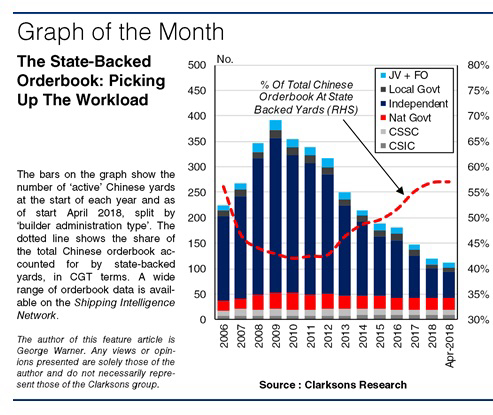
Since the start of 2009, the number of ‘active’ yards (with at least one vessel 1,000+ GT on order) in China has fallen from 391 to reach 112 at the start of April 2018, its lowest level since 2003. This has been the sharpest decline in yard numbers among the ‘big 3’ builder countries, with the number of active yards in Korea and Japan down from 39 to 14 and 70 to 55 respectively in the same period. However, in China the situation has varied between state-backed and other yards (split here according to the ‘builder administration types’ used in the Clarksons Research database). The number of active state-backed yards, comprising the CSSC and CSIC groups, and national government yards controlled by state interests, declined from 52 as of start 2009 to 44 as of start April 2018. In the same period, the number of active independent yards (which make up the majority of other yards) declined sharply from 305 to 50, while the combined number of active joint venture (JV), foreign owned (FO) and local government yards declined from 34 to 18. As a result, state-backed yards accounted for 40\% of the active yards in China as of start April 2018, the highest share since 2000, and up from 13\% at the start of 2009.
State-Backed Muscle
Although total ordering at Chinese yards has declined, state-backed yards have increased their share of contracts, accounting for 59\% (255 units of 6.3m CGT) of the total in 2017 in CGT terms, up from 31\% in 2009. This increase has been supported by orders from state related interests. In contrast, the share of contracts at independent yards declined from 50\% in 2009 to 31\% (177 units of 3.4m CGT) in 2017. Meanwhile, consolidation among independent yards has increased. In 2017 two yards, Jiangsu New YZJ and New Times, accounted for 70\% of CGT ordered at independent yards, down from over 30 yards in 2009.
Lifting More Of The Weight
Driven by an increasing share of orders, the proportion of the Chinese orderbook represented by state-backed yards has now returned to levels last seen in 2006. Although the overall picture in Chinese shipbuilding is now very different (with the orderbook expanding rapidly before declining by 60\% since start 2009), this share has increased from 44\% as of start 2009 to 57\% as of start April 2018.
So, while the number of active yards in China has declined sharply, the situation varies greatly between state-backed and independent yards. Although state-backed yards have been supported by state related interests, independent yards have generally struggled, with many leaving the market altogether. With the orderbook at independent yards declining rapidly, the prominence of state-backed yards appears to have returned to levels last seen before the financial crisis.
Source: Clarkson Research Services Limited
Capital Product Partners L.P. Announces First Quarter 2018 Financial Results and Fleet Employment updates
 |
The Partnership’s net income for the quarter ended March 31, 2018 was $5.3 million, compared with $12.3 million for the first quarter of 2017 and $6.8 million for the previous quarter ended December 31, 2017. After taking into account the preferred interest in net income attributable to the holders of the 12,983,333 Class B Convertible Preferred Units outstanding as of March 31, 2018 (the “Class B Units”, and such holders the “Class B Unitholders”), and the interest attributable to the general partner, net income per common unit for the quarter ended March 31, 2018 was $0.02, compared to $0.08 for the first quarter of 2017 and $0.03 for the previous quarter ended December 31, 2017.
Operating surplus prior to allocations to our capital reserve and distributions to the Class B Units for the quarter ended March 31, 2018 amounted to $26.0 million, compared to $32.7 million for the first quarter of 2017, and $30.3 million for the previous quarter ended December 31, 2017. In line with the previous quarter, we allocated $13.2 million to the capital reserve during the first quarter of 2018. This amount is equal to our scheduled principal repayment under our 2017 credit facility, which was paid in April 2018. Operating surplus after the quarterly allocation to the capital reserve and distributions to the Class B Unitholders was $10.0 million for the first quarter of 2018. Operating surplus is a non-GAAP financial measure used by certain investors to measure the financial performance of the Partnership and other master limited partnerships. Please refer to “Appendix A” at the end of the press release for a reconciliation of this non-GAAP measure with net income.
Total revenues for the first quarter of 2018 reached $65.5 million corresponding to an increase of 8.6\% compared to $60.3 million during the first quarter of 2017. The increase in total revenues was primarily a result of the acquisition of the M/T ‘Aristaios’ in January 2018 and the higher number of voyage charters performed by our vessels compared to the first quarter of 2017. The impact of these factors was partially offset by lower average charter rates earned by certain of our vessels, including the M/T ‘Aristotelis’, during the first quarter of 2018, compared to the corresponding period in 2017. As previously announced, we agreed to sell the M/T ‘Aristotelis’ to an unaffiliated third party in December 2017 and had to incur as a result a prolonged ballast leg to deliver the vessel to its buyer. The sale of the M/T ‘Aristotelis’ was completed at the end of April 2018.
Total expenses for the first quarter of 2018 were $53.9 million compared to $41.9 million in the first quarter of 2017. Voyage expenses for the first quarter of 2018 were $9.0 million compared to $2.3 million in the first quarter of 2017. The increase was mainly attributable to the increase in the number of voyage charters performed by certain of our vessels in the first quarter of 2018 compared to the same period in 2017. Total vessel operating expenses during the first quarter of 2018 amounted to $24.8 million, compared to $19.6 million during the first quarter of 2017. The increase in operating expenses mainly reflects the increase in the number of vessels in our fleet incurring operating expenses, following the redelivery of three vessels previously employed under bareboat charters and the acquisition of the M/T ‘Aristaios’ in January 2018, as well as increased operating expenses incurred during the first quarter of 2018 in connection with the special surveys of four of our vessels and unscheduled repairs. Total expenses for the first quarter of 2018 also include vessel depreciation and amortization of $18.3 million, compared to $18.5 million in the first quarter of 2017. General and administrative expenses for the first quarter of 2018 increased to $1.7 million, compared to $1.4 million in the first quarter of 2017, partly due to fees and expenses associated with the dropdown of the M/T ‘Aristaios’ during the first quarter of 2018.
Total other expense, net for the first quarter of 2018 was $6.4 million compared to $6.1 million in the first quarter of 2017. Total other expense, net includes interest expense and finance costs of $6.4 million for the first quarter of 2018, which remained at the same level compared to the first quarter of 2017.
As of March 31, 2018, total partners’ capital amounted to $925.8 million, a decrease of $7.6 million compared to $933.4 million as of December 31, 2017. The decrease was primarily due to the distributions declared and paid during the first quarter of 2018 in the total amount of $13.2 million, partially offset by net income for the period.
Total cash as of March 31, 2018 amounted to $59.2 million, of which restricted cash (under our credit facilities) amounted to $18.5 million.
As of March 31, 2018, the Partnership’s total debt was $490.9 million, an increase of $15.1 million compared to $475.8 million as of December 31, 2017 due to the assumption of a $28.3 million term loan under a credit facility with Credit Agricole Corporate in connection with the acquisition of the M/T ‘Aristaios’, partially offset by scheduled loan principal payments during the first quarter of 2018.
Fleet Employment Update
The Partnership has reached an agreement with Pacific International Lines (“PIL”) to extend the charter of the M/V ‘Agamemnon’ (108,892 dwt / 8,266 TEU, container carrier built 2007, Daewoo Shipbuilding & Marine Engineering Co., Ltd., South Korea) for an additional eleven to thirteen months following the expiration of the present charter at an increased gross daily rate of $20,000. The M/V ‘Agamemnon’ is currently earning $8,250 gross per day under a one-year charter that will expire in May 2018.
The Partnership has also agreed to charter the M/V ‘Archimidis’ (108,892 dwt / 8,266 TEU, container carrier built 2006, Daewoo Shipbuilding & Marine Engineering Co., Ltd., South Korea) to Mediterranean Shipping Company Co. S.A. (“MSC”) for two years (+/- 30 days) at $18,000 gross per day. The charter is expected to commence at the end of May 2018. The M/V ‘Archimidis’ is currently employed under a one-year charter with PIL at a gross daily rate of $8,250.
Finally, the M/T 'Active' (50,136 dwt, IMO II/III Eco Chemical/Product Tanker built 2015, Samsung Heavy Industries (Nigbo) Co. Ltd.), has been chartered to Stena Bulk AB for a period of minimum two to a maximum of twelve months at rates between $15,000 - $16,000 gross per day. The new charter is expected to commence in late May 2018. The vessel is currently under a short-term charter with Louis Dreyfus Company Suisse S.A. at a gross daily rate of $13,000.
Following the employment updates listed above, the Partnership’s charter coverage for the remainder of 2018 is 66\%.
Quarterly Common and Class B Unit Cash Distribution
On April 18, 2018, the Board of Directors of the Partnership (the “Board”) declared a cash distribution of $0.08 per common unit for the first quarter of 2018 payable on May 14, 2018 to common unit holders of record on May 2, 2018.
In addition, on April 18, 2018, the Board declared a cash distribution of $0.21375 per Class B Unit for the first quarter of 2018, in line with the requirements of the Partnership’s Second Amended and Restated Partnership Agreement, as amended. The first quarter of 2018 Class B Unit cash distribution will be paid on May 10, 2018 to Class B Unitholders of record on May 2, 2018.
Market Commentary
Product Tanker Market
Product tanker spot rates remained on average at similar levels to the previous quarter and overall below historical averages. Global refinery throughputs declined from the record levels seen in the fourth quarter of 2017, partly due to refinery maintenance in certain regions, reducing product export volumes and subsequent demand for product tankers during the quarter. Enquiries for product tankers remained subdued as a result of the ongoing inventories drawdowns and lower Chinese oil product exports east of Suez. On the positive side, the product tanker spot market saw spots of increased demand in the Western hemisphere in January, supported by increased West African gasoline demand and solid U.S. product exports, while the Far East market saw increased activity towards the end the quarter on the back of a surge in Chinese product exports.
Period product tanker rates remained flat. However, one-year period rates for MR product tankers remain on average approximately 10\% higher year-on-year, reflecting the increasing positive outlook for the sector.
On the supply side, the orderbook remains close to historically low levels. As at the end of the first quarter of 2018, the MR product tanker orderbook stood at approximately 8.0\% of the current worldwide fleet. In addition, product tanker deliveries continued to experience significant slippage during the first quarter of 2018, as 34.1\% of the expected MR and handy size tanker newbuildings were not delivered on schedule. Looking ahead, analysts estimate that net fleet growth for product tankers will slow to 1.4\% in 2018, which would represent the slowest rate of growth since 2000, while product tanker deadweight demand will grow by 3.6\%. Rising products imports into non-OECD countries and growth in products exports from the U.S., Middle East and Asia are expected to support positive growth in seaborne products trade this year.
Suezmax Tanker Market
The Suezmax spot market saw one of the lowest quarters in terms of earnings for the last thirty years. High vessel supply, as a result of the heavy newbuilding deliveries in 2017 and a return of crude vessels from storage, kept rates under pressure. On the demand side, growth was limited by the oil production cut agreement between OPEC and non-OPEC oil producers, as the compliance rate rose to almost 150\% on average for the quarter. In addition, higher prices for Atlantic basin crude grades compared to Middle East crudes reduced crude oil shipments from the U.S. to the East, negatively impacting average miles travelled.
The time charter market for Suezmaxes remained illiquid and period rates weakened further close to historically low levels, mirroring the negative rate development in the spot market.
On the supply side, the Suezmax orderbook represented at the end of the first quarter of 2018 approximately 9.3\% of the current worldwide fleet. The delivery of new vessels is expected to slow down going forward, as 22 and 19 vessels are expected to be delivered for the remainder of 2018 and in 2019, respectively, assuming no cancellations or slippage. Analysts estimate that slippage for the first quarter of 2018 amounted to 23.3\% of expected deliveries. In 2018, Suezmax dwt demand is projected to grow by 5.1\%, as the negative impact from the OPEC-led supply cuts through the end of 2018 is expected to be outweighed by rising long-haul crude trade between the Atlantic basin and Asia, amidst expansion in U.S. crude output. A rise in Asian crude imports, driven by growing demand in China and India, is also expected to support crude trade growth.
Finally, it is worth highlighting that overall tanker demolition accelerated significantly in the first quarter of 2018, amounting to 7.9 million dwt including four Suezmax vessels. This represents the highest demolition level since the third quarter of 1982. In 2017, 11.1 million dwt were scrapped for the year, compared with the 2.5 million dwt demolished in 2016.
Neo-Panamax Container Market
Chartering activity for container vessels remained relatively healthy in the first quarter of 2018, despite this traditionally being a seasonally weaker period. Notably, the idle container fleet stood at the end of the first quarter of 2018 at approximately 2\% of the current fleet, on par with the end of 2017, but substantially lower when compared to 7\% at the end of 2016.
At the end of the first quarter of 2018, the container orderbook remained at historically low levels, standing at 12.7\% of the current fleet, down from 13.4\% in the previous quarter. Slippage for 2018 is estimated at 27\%, while container vessel demolition for full year 2018 is estimated at 299,300 TEUs.
Overall, analysts expect container vessel demand to grow by 5\% in 2018, while the container fleet is expected to expand by 4.4\%.
Management Commentary
Mr. Jerry Kalogiratos, Chief Executive Officer of the Partnership’s General Partner, commented:
“Despite the overall weakness of the tanker and in particular the Suezmax market, which experienced multi-decade lows during the quarter, as well as the impact of increased expenses associated with certain of our vessels that affected our results for this quarter, our course remains unchanged: our remaining charter coverage over the next five years, our sound balance sheet with no material short-term debt maturities and the diversified nature of our fleet underpin our common unit distributions and position us well for a potential recovery in the tanker market in the medium- to long-run.
“Finally, we are pleased to have expanded our fleet in the first quarter of 2018 with the addition of the M/T ‘Aristaios’, a modern, eco ice class Aframax with a remaining four years of charter employment to a reputable charterer and to have secured employment for two of our container vessels at substantially improved charter rates, which are expected to commence towards the end of the second quarter of 2018.”
ir.capitalpplp.com
Nakilat records 13\% increased profits for the first quarter of 2018
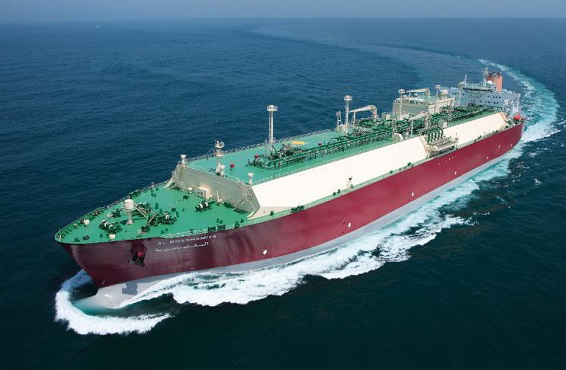
 |
Immensely pleased with the increased profits, Nakilat’s Board of Directors attributed this robust performance as a reflection of the company’s strength and resilience in operating a cost effective and reliable business operations. The Board acknowledged that Nakilat has managed to maintain a steady cashflow and generate positive value for its shareholders, by capitalizing on profitable business growth.
Nakilat’s Board of Directors also commended the company’s dedication in pursuing excellence in safety, health, environment and quality (SHEQ) performance. Through its relentless efforts, Nakilat has earned the prestigious 5-star rating, which is the highest rating attainable, in the comprehensive Occupational Health and Safety audit by British Safety Council (BSC). Nakilat is also the first company in Qatar to be certified for new ISO 45001:2018 Occupational Health and Safety Management System (OH&S) standard by Lloyd’s Register Quality Assurance.
After UN deal on shipping emissions, it’s now up to Europe ‘to get things moving’
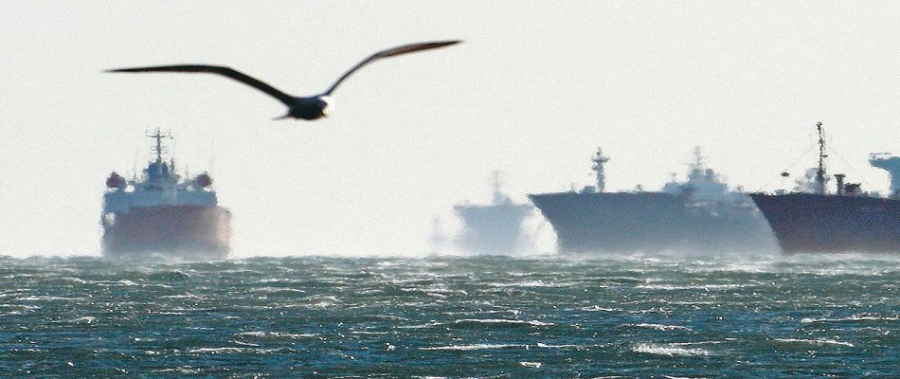
However, states meeting at the International Maritime Organisation last month made no progress on agreeing a roadmap to devise the measures needed to implement immediate emissions cuts. T&E said it’s now up to Europe and its climate allies to get things moving.
The IMO meeting in London agreed to require the shipping sector to reduce its emissions by ‘at least 50\% by 2050 compared to 2008’. Though this falls short of the 70-100\% cut by 2050 that is needed to align shipping with the goals of the Paris agreement, the Clean Shipping Coalition – of which T&E is a member – said it was a potentially game changing development.
However, the CSC added: ‘The lack of any clear plan of action to deliver the emissions reductions, including urgently needed short-term measures, is a major concern.’
T&E’s shipping director, Bill Hemmings, said: ‘The IMO should and could have gone a lot further but for the dogmatic opposition of some countries led by Brazil, Panama, Saudi Arabia. Scant attention was paid to the US which also came out in opposition to the deal, aligning itself with Saudi Arabia. Nevertheless the IMO decision puts shipping on a promising track. It has now officially bought into the concept of decarbonisation and the need to deliver in-sector emission reductions, which is central to fulfilling the Paris agreement.’
With this compromise obtained, T&E said that European and other progressive states at the IMO must now focus on agreeing immediate and binding operational measures to reduce shipping emissions – so that the sector’s climate impact peaks as soon as possible. While any measures will need to take into account the maximum technological potential of the existing fleet, shipping companies have several additional options, including slowing down vessels, and retrofitting to reduce energy consumption.
Alternatively, switching ships to hybrid or fully electric modes or electrofuels (such as hydrogen or ammonia) while maintaining regular speeds may also be possible – as should be paying to not slow down by contributing to an independent ‘fleet improvement mechanism’ fund. That fund could be used used for individual ship improvement purposes, and research and development.
T&E said that whatever measures that IMO decides, complementary action will still be required – as zero emission fuels and new propulsion technologies will not come about on their own. It cautioned that electro-fuels, or PtL, would be costly and require investment in research and development, and production, which governments should do nationally or regionally to kickstart the process.
Bill Hemmings added: ‘The European Commission and EU countries now need to seize the initiative. Time to dump the obsession with LNG, which is a decarbonisation dead-end. Time to properly focus EU research and innovation resources on new zero emission fuels and get moving with stakeholders to discuss them in detail.
‘Focus some time on the European Innovation Fund and support projects to prove whether fuels such as hydrogen and ammonia work, and advance work on the deployment of battery technology in the marine sector. Time to consider new ways to generate R&D funding – an EU initiative could benefit European industry enormously and help get something going globally. And, of course, time to deliver on the immediate measures and pre-2023 emissions reductions.’
The IMO has said it will adopt its final greenhouse gas strategy for shipping in 2023, but T&E said measures to reduce emissions will need to be agreed long before then.
Source: European Federation for Transport and Environment
RESOLVE Marine Group technical presentations event
 |
| Mr. Dimos Iliopoulos |
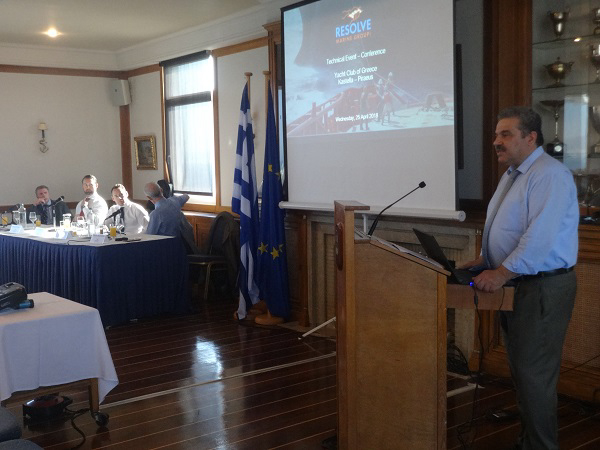
Mr. Joseph Farrell III, from Resolve Headquarters in Fort Lauderdale, Florida significant case studies of past success stories of salvage, towage and wreck removal both difficult and challenging.
Mr. John Curley from London discussed the case of “RENA” wreck removal in New Zealand, the methodology used and the difficulties encountered.
Mr. Michael Mitchell, from London, presented the different types of casualties and emergencies, while at the same time explained which the right contract for each case is.
Finally, Mr. Dimos Iliopoulos (Greece) set the guidelines for making the right operational decision for the damage stability.
A reception with dinner and drinks followed, where the attendees had the opportunity to further discuss the standards and the stringent regulatory demands, the anticipated changes entering the salvage industry, the environmental issues impacted by the incidents, accidents, and wrecks.
 |
| Mr. Joseph Farrell III |
About the company: Resolve Marine Group, a global leader in emergency response, salvage and wreck removal, provides innovative and reliable maritime solutions across the world through dedicated salvage and emergency response resources.
The long-standing experience of more than 38 years behind Resolve ensures that the company is able to rapidly respond to any emergency around the clock, 24 hours per day, 365 days a year, handling any towage or salvage request with immediate and effective response guarantee.
Outstanding professionalism and team allegiance are characteristics that have shaped Resolve as a trusted name in the salvage and wrecks removal sector.

Powered by  © Μaritimes 2019