


16th NAVIGATOR 2016 – “The Shipping Decision Makers Forum”
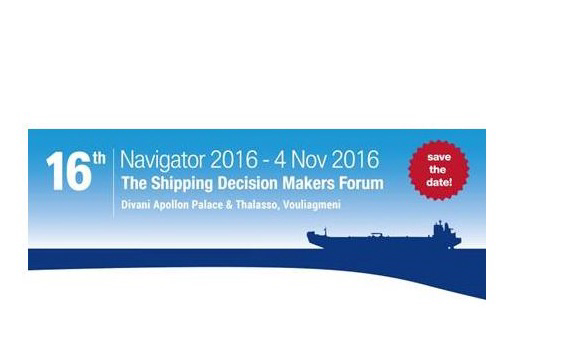
NAVIGATOR Forum, one of the most widely - recognized shipping events, is being held annually since 2001 and every year attracts more than 400 prominent personalities of the Greek and International Shipping Community.
With the support of internationally recognized Maritime Organizations, the experience of accredited speakers, the support of the entire Maritime Press and the valuable sponsors’ contribution, the "16th NAVIGATOR 2016 - The Shipping Decision Makers Forum» focuses this year on the importance of Ports in the shipping industry and on the thorough analysis of the Shipping Market.
For another year, the Ambassadors panel will take place followed by the technical panel which will focus on the current technological developments and their implementation to vessels.
The First Panel: “The role of the Ports: Economic & Market Analysis”, will be moderated by Mr. George Xiradakis, Managing Director – XRTC Business Consultants Ltd and President – THE PROPELLER CLUB (Port of Piraeus). The speakers that will participate are: Mrs. Katerina Stathopoulou, Executive Director - INVESTMENTS & FINANCE, Mrs. Vera Alexandropoulou, Legal Department, Piraeus Port Authority and Mr. Javier López, Commercial Manager, Algeciras Port Authority and Mr. Apostolos Kamarinakis, Civil Engineer - Rtd. VADM HELLENIC COAST GUARD & Former CEO HELLENIC PORT DEVELOPMENT CENTER. The main topic be discussed is the economic role the ports represent over the world and how the public or private authorities conceive their development, the long term investments.
The Second Panel: “Foreign Ambassadors discussion”, will be moderated by Mr. Francois Lafond, President Blue Networks and Opportunities & Associate Professor Sciences Po Paris. Among the speakers of this panel are H.E. Mr. Ahn Youngjip – The Ambassador of the Korean Republic in Greece, Mr. Frank Geerkens, Port Ambassador, Antwerp Port Authority and H.E. Mr. Efisio Luigi Marras, The Ambassador of the Italian Republic in Greece. Panellists are called to address the strategic intermodal dimension the ports have both in their countries and beyond the national activities, on the European continent in a globalised context.
The third Panel: “Smart & Green maritime Technology: Where we are now and what's next?” will be moderated by Mrs. Helena Athoussaki, Head of Maritime Sustainability Centre – PwC. Mr. George Christopoulos, Vice Admiral of Hellenic Navy (Rtd) Marine Operations LAROS – Prisma Electronics, Mr. Khalid Talukder, Chief Revenue Officer – TRAMONEX, DIABOS’ Cash Management Partner, Mr. Konstantinos Stampedakis, General Director – ERMA FIRST ESK Engineering Solutions S.A and Mr. Frank Paleokrassas, Corporate Manager - Fleet Performance – BERNHARD SCHULTE SHIPMANAGEMENT (HELLAS) SPLLC will participate as speakers. The economic down-turn along with the stringent environmental regulations, make shipping to look for more sustainable hence smarter operations. The panel of experts will comment on the opportunities and challenges when using “green” and smart technologies in shipping.
Capt. Dimitris Bezantakos, President of NAVIGATOR SHIPPING CONSULTANTS & Mrs. Danae Bezantakou, Managing Director of NAVIGATOR SHIPPING CONSULTANTS are looking forward to welcoming you in the 16th NAVIGATOR 2016 - The Shipping Decision Makers Forum.
Energean has invested over $ 300 million in the last 9 years
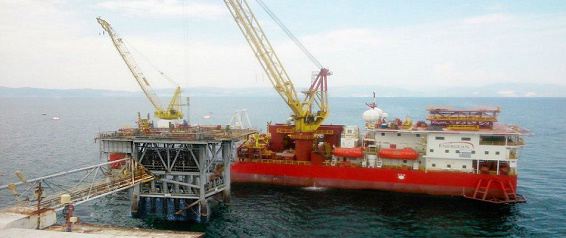
Mediterranean and Africa. It is the only hydrocarbons producer in Greece, operating the areas of Prinos and South Kavala with 115 million barrels of oil and 850 million m3 of natural gas total production from 1981 until now.
Energean has invested over $ 300 million in the last 9 years and carries out a new US$ 200 - million dollar investment in Prinos, which includes the drilling of 15 wells and the installation of a new platform. Energean aims to produce 30 million bbls of independently audited 2P reserves.
The company holds five E&P licenses in Greece and Egypt. It has been exploring Ioannina onshore and Katakolo offshore blocks in Western Greece and has also been selected as a preferred bidder for the Aitoloakarnania onshore block in the same area. Moreover, it plans to drill two exploration wells by Q1, 2017 in the West Kom Ombo onshore block, Upper Egypt.
Energean has also been awarded two offshore blocks in Montenegro (subject to parliamentary approval).
The company also bought the Karish and Tanin offshore fields with 2,4 TCF of natural gas (2C) and will proceed with a Full Development Plan after the final approvals by the relevant Israeli authorities are granted.
The company has a very strong shareholder base, with petroleum engineers, executives of the financing sector and the US based fund Third Point LLC among them.
Energean employs more than 400 dedicated oil & gas professionals with significant in house expertise in Exploration, Drilling and Production stages and Reservoir Management as well as in Onshore & Offshore operations. It's cash flow is guaranteed by the off-take agreement with BP for the entire oil production from Prinos.
Energean operates assets that have been producing hydrocarbons for 35 years in a high H2S environment with an impeccable track record, next to traditional tourist destinations and environmentally sensitive areas.
Arcadia Shipmanagement’s Entire Fleet Goes Green
 |
The 159,000 dwt Aegean Marathon passed the inspection with flying colors, the certification organization said, adding that “not a single finding was issued.”
Meanwhile, the company’s second newbuilt Suezmax, MT Aegean Dream, was submitted for certification.
Arcadia Shipmanagement plans to have all of the six newbuildings, which are currently under construction at South Korea’s Hyundai Heavy Industries, certified by Green Award.
The company’s remaining vessels are scheduled for delivery in 2016 and 2017.
Green Award assesses the quality, safety and environmental protection standards of a ship manager and its ships.
Requirements cover a wide range of aspects including ship equipment, emissions, human factor, management and implementation of the best practices.
World Fleet Growth: Let’s Do The Time Warp Again?
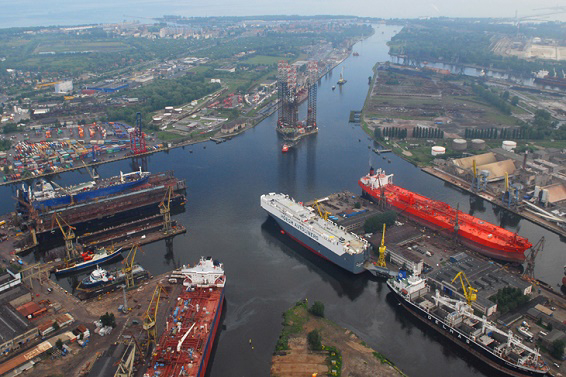
Generally more limited contracting and subsequently significantly lower delivery volumes combined with firm levels of demolition and non-delivery have limited fleet expansion which now appears to be returning to its ‘pre-boom’ levels.
It’s Astounding

Over the last two decades, the merchant fleet has grown by 160\% in gross tonnage (GT) terms with around 755m GT added to the global fleet. However, the pace of annual fleet growth recorded each month has varied greatly across this period, as shown by the graph. At the start of 1996 the world fleet numbered 58,697 ships of a combined 481m GT. A relatively moderate average annual growth rate of 2.9\% was registered up to the end of 2004 when the fleet reached 631m GT. Newbuild ordering was modest, averaging 34m GT pa between 1997 and 2002, while demolition volumes averaged 15m GT pa over the same period.
Time Is Fleeting
The pace of annual fleet growth accelerated in the following years, averaging 7.2\% between the start of 2005 and the end of 2012. During the global fleet’s surge, vessel earnings had reached record levels and the availability of credit had spurred contracting activity, with 484m GT of tonnage ordered in just four years (2005-08), 100m GT more than was ordered over the preceding nine years (1996-2004). Despite an increase in shipyard ‘non-delivery’ rates, climbing to a high of 34\% in 2010, global delivery volumes rose rapidly and peaked at a record 104m GT in 2011. Demolition was very limited over this period with just 23m GT reported sold for scrap between 2005 and 2008, less than has been reported demolished in 2016 alone so far. Overall, the world fleet increased by 463m GT between the start of 2005 and the end of 2012, compared to a 150m GT expansion between 1996 and the end of 2004.
Got To Keep Control
At the start of October 2016 the global merchant fleet totalled 92,413 ships of a combined 1.2bn GT. While annual fleet growth has averaged 3.8\% since the start of 2013, it has slowed dramatically and the fleet has expanded by 3.1\% over the last 12 months, the lowest level of monthly year-on-year growth reported since the early 2000s. Extremely challenging market conditions have started to restrict the supply of new ships. Although firm delivery levels have meant that the volume of tonnage added to the fleet remains significant and the fleet is now 156m GT larger than at the start of 2013, demolition has also been strong with 23m GT reported sold for recycling in 2016 so far compared to 23m GT in full year 2015. Moreover, newbuild contracting volumes have now fallen to levels not seen since the 1980s with just 16m GT contracted in the year to date.
So, there has been a notable slowdown in the pace of growth since the end of the fleet’s big surge. Today, recycling activity is strong, deliveries look set to slow and contracting levels are at their lowest in over 30 years. With difficult market conditions likely to continue to disincentivize expansion, world fleet growth just might be in a time warp back to the 1990s.
Source: Clarksons
Tankers: Aframax freight rates in the Americas rise more than 22\%
 |
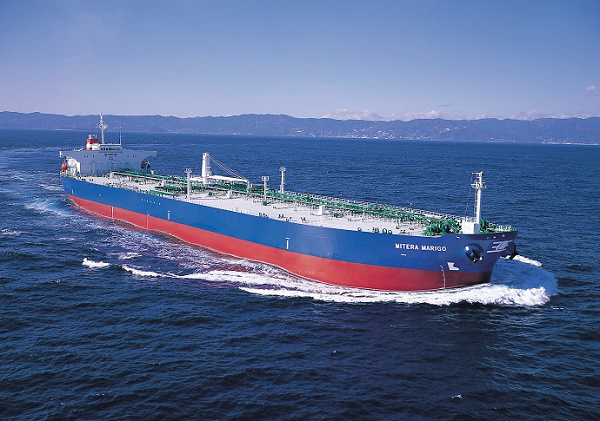
"The lists didn't look that tight, but I think a lot of things got tucked away secretly," a shipbroker said. "Next thing you know there are not many ships around."
The rise of the Aframaxes came in two quick steps.
First, an SCF tanker to be nominated was put on subjects by ATMI for an East Coast Mexico-USGC journey beginning with the loading of a 70,000 mt cargo on November 3.
That level was eclipsed soon afterward when Citgo reserved the Gener8 Pericles at Worldscale 110 for a Venezuela-USGC journey, also with a November 3 lifting.
Another shipbroker said Citgo waited too long to fix its cargo and was left out in the cold, as only two tankers were available to take on the load.
"[Citgo] shouldn't have sat on November 2-3 dates that long," he said. "Every other Caribs stem was covered until November 5 and there weren't many ships."
The Caribbean-USGC route for an Aframax was assessed Wednesday at W 110, or $9.28/mt.
Houston (Platts)
“The pros & cons of LNG as marine fuel in the Mediterranean Sea” under the microscope at Poseidon Med II workshop in Venice
 |
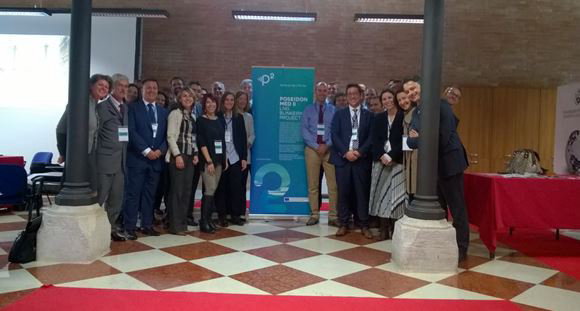
Poseidon Med II partners were joined by representatives from the CoreLNG as Hive (Mr Fernando Impuesto Nogueras, Technical and Commercial Director Enagas) and GAINN4MOS (Ms Eva Perez, Transport Economics Director, Fundación Valencia port), along with EU delegates, local stakeholders from the marine and energy sectors, port authority representatives and ship-owners, in undertaking an analysis of the Strengths, Weaknesses, Opportunities and Threats (SWOT) for LNG, with the aim of developing a common understanding of all aspects of its use as marine fuel of the future for the Mediterranean.
Despite the obstacles -including high investment costs for shipping and port infrastructure, the current status of oil prices, as well as gaps in the regulatory framework- participants underlined that LNG holds great potential to build a greener profile for the shipping industry, increase operational efficiency, while also reducing its environmental footprint. The critical step however, is not the technology itself but its adoption through legislation, training and financial incentives.
All participants concluded that such cross-regional initiatives and collaboration among key projects and players in the Mediterranean region are key in addressing these challenges, and through information exchange and synergy creation, to enable the Mediterranean to set sails towards a strong LNG era.
What is Poseidon Med II project?
Poseidon Med II project is a practical roadmap which aims to bring about the wide adoption of LNG as a safe, environmentally efficient and viable alternative fuel for shipping and help the East Mediterranean marine transportation propel towards a low-carbon future. The project, which is co-funded by the European Union, involves three countries Greece, Italy and Cyprus, six European ports (Piraeus, Patras, Limassol, Venice, Heraklion, Igoumenitsa) as well as the Revithoussa LNG terminal. The project brings together top experts from the marine, energy and financial sectors to design an integrated LNG value chain and establish a well-functioning and sustainable LNG market.
 |
| Poseidon Med II Venice workshop participants |
 |
| Mr James Orlandi, Head of R&D Unit, Venice Port Authority, welcomes participants; Poseidon Med II Venice Workshop |
 |
| Ms Eva Perez, Transport Economics Director, Fundación Valencia port, GAINN4MOS Project Coordinator presenting; Poseidon Med II Venice Workshop |
 |
| Mr George Polychroniou, Executive Director Strategy, Development, Administration & IT, DEPA S.A., Poseidon Med II Project Manager presenting; Poseidon Med II Venice Workshop |
 |
| Mr Fernando Impuesto Nogueras, Technical and Commercial Director Enagas, CoreLNG as Hive Project Coordinator presenting; Poseidon Med II Venice Workshop |
Capital Product Partners L.P. Announces Cash Distribution
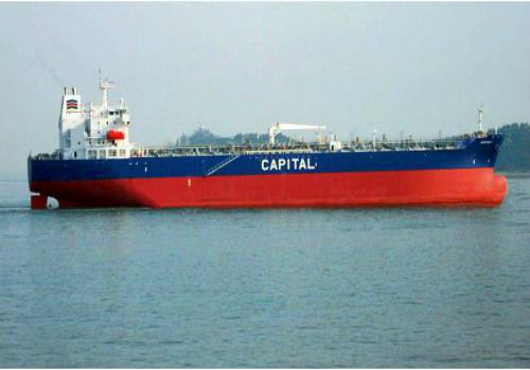
The third quarter common unit cash distribution will be paid on November 14, 2016, to unit holders of record on November 7, 2016.
About Capital Product Partners L.P.
Capital Product Partners L.P. (NASDAQ: CPLP), a Marshall Islands master limited partnership, is an international owner of modern tanker, container and drybulk vessels. The Partnership currently owns 35 vessels, including twenty modern MR (Medium Range) product tankers, four Suezmax crude oil tankers, ten Neo Panamax container vessels and one Capesize bulk carrier. Its vessels are under period charters to BP Shipping Limited, Cargill International S.A., CMA-CGM S.A., Cosco Bulk Carrier Co. Ltd., CSSA S.A. (Total S.A.), Flota Petrolera Ecuatoriana ("Flopec"), Hyundai Merchant Marine Co. Ltd., Overseas Shipholding Group Inc., Pacific International Lines (Pte) Ltd, Petróleo Brasileiro S.A. ("Petrobras"), Repsol Trading S.A., Stena Bulk A.B., and Capital Maritime.
For more information about the Partnership, visit our website: www.capitalpplp.com.
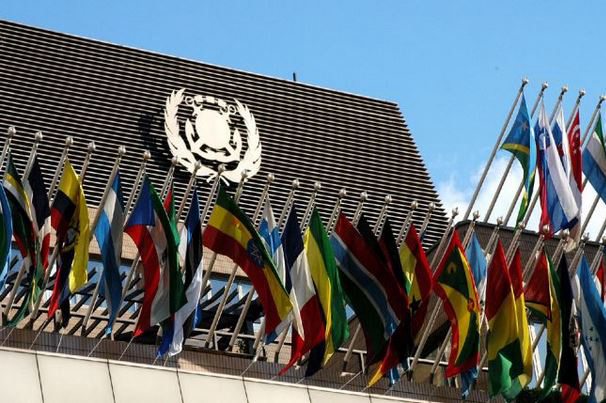
Marine Environment Protection Committee (MEPC 70) meeting begins, as IMO’s Secretary General outlines main goals
 |
Allow me first to comment briefly on general matters of importance to the work of the Organization. Our traditional World Maritime Day celebration took place here, in our headquarters building, on 29 September. We have used every opportunity throughout this year to promote the chosen theme “Shipping: Indispensable to the world”, and I look forward to the annual parallel event to be held in Turkey from 4 to 6 November. For 2017, we will build on this theme by focussing on the linkage between ships, ports and people.
Shipping transports more than 80 per cent of international trade to peoples and communities all over the world. It is a prime facilitator of global trade and contributor to economic growth and employment at sea and ashore. A safe, secure and efficient international shipping industry is indispensable to the modern world – and this is ensured by the measures and standards developed and maintained by IMO.
But today I also want to look beyond IMO’s day-to-day functions and talk to you about what the future might hold for the Organization – in particular, about its place in a more cohesive and connected scheme of global ocean governance.
Today, we live in a global society which is supported by a global economy. The potential benefits are clear: growth can be accelerated and prosperity more widespread; skills and technology can be more evenly dispersed, and both individuals and countries can take advantage of previously unimagined economic opportunities.
The broader challenge we all face is how to ensure future growth can be achieved sustainably; how to ensure that globalization becomes a positive force for all the world’s people, and not for just a privileged few.
So, beyond its traditional regulatory function, how does IMO fit into this broader picture? As part of the United Nations family, IMO is actively supporting the 2030 Agenda for Sustainable Development that world leaders pledged to support in 2015.
I have said many times that shipping and related maritime activities are essential components of future sustainable growth for the earth’s 7 billion-plus inhabitants. But the search for growth in this sector – as a contribution to blue growth – is a balancing act.
Growing the blue economy should be a long-term strategy aimed at sustainable economic growth through oceans-related sectors and activities, while at the same time improving human wellbeing, social equity and preserving the environment.
Paramount to growing the blue economy is a healthy oceans and seas which is at the heart of one of the 17 Sustainable Development Goals – SDG 14. SDG 14 is at the heart of a sustainable use of the seas and oceans and has particular resonance for the work of this Committee.
IMO has its mandate and I believe has the potential to do more to contribute to other ocean governance initiatives.
Mr. Chair, distinguished delegates,
Once again, I am addressing a packed meeting that will see intense activity over the next five days. A total of 167 documents have been submitted under the 18 items on the agenda for this session and you will also have to consider several issues deferred from previous sessions.
Turning to the specific tasks before your Committee, I will start with the Ballast Water Management Convention. As I am sure you are all aware, the recent accession by Finland has triggered the long awaited entry into force of the Convention on 8 September 2017 and to date we have more than half of the world shipping tonnage signed up to this treaty. This is a truly significant milestone for the health of our oceans which will not only minimize the risk of invasions by alien species via ballast water, it will also provide a global level playing field for international shipping, setting clear and robust standards for the management of ballast water on ships.
Meeting the entry into force conditions of the BWM Convention coincides with the upcoming completion of the GloBallast Partnerships Project of the Global Environment Facility (GEF), the United Nations Development Programme (UNDP) and IMO, which has supported and promoted the development of uniform legal, policy and institutional frameworks in several developing countries, and has undertaken a major capacity-building programme in over 70 countries. Half of the Pilot and Lead Partnering Countries of the GloBallast Project have already ratified the BWM Convention, a truly significant contribution to the activation of this landmark global environmental treaty.
The entry into force of the Convention will open the next chapter of a story which began with its adoption in 2004. Already a huge amount has been done to allay concerns about issues like the lack of suitable equipment and guidance for the uniform implementation of the Convention, including the development of a Roadmap to ensure that “early movers” are not penalized once the Convention enters into force.
Among the significant tasks ahead of you this week is the finalization and adoption of the revised Guidelines for approval of ballast water management systems (G8), based on the impressive progress made at the intersessional meeting that took place last week. You will also continue the discussion on exceptions and exemptions under the BWM Convention, and a number of other matters which would promote its uniform implementation.
I am confident that the Committee will do its utmost to make great progress in addressing these matters during this week.
Mr. Chair, distinguished delegates,
The historic Paris Agreement on Climate Change, the most comprehensive international agreement ever to combat climate change, will take effect on 4 November 2016, less than a year after negotiators from more than 190 countries reached a final deal on the issue.
United Nations Secretary-General Ban Ki-moon hailed the news that the agreement met the conditions for entry into force on 5 October 2016 and stated: “This is our chance to set us on course towards a safer, more sustainable and more just future for all on a healthy planet. Let us seize the moment and be true to the values and aims of our organizations.” The recent agreements by ICAO to adopt measures to address GHG emissions from international aviation and by the Parties to the Montreal Protocol to phase out hydrofluorocarbons (HFCs) further demonstrate that Member States are gearing up their action on climate change.
At this session, the Committee will continue to build on the solid achievements the Organization has already made to reduce global greenhouse gas emissions, which will contribute to Sustainable Development Goal 13 (SDG 13) which requests urgent action to combat change and its impacts. The mandatory energy efficiency requirements for international shipping have now been in force for over three years.
Data presented to the Committee for information clearly identifies the improvements made. They show that over 1,900 ships have now been certified as complying with the new standards. The Committee will consider the report of the correspondence group tasked to undertake the review of the status of technological developments relevant to implementing phase 2 of EEDI requirements from 2020.
In this regard, I would also like to highlight the development of the IMO Energy Efficiency Technologies Information Portal by the GEF-UNDP-IMO Global Maritime Energy Efficiency Partnerships Project, in short the GloMEEP project, providing a wide spectrum of ways to potentially reduce ship fuel consumption.
You will also consider, for adoption, draft amendments to MARPOL Annex VI on mandatory requirements for ships to record and report data on their fuel consumption together with additional data on proxies for the “transport work” undertaken by the ship. I trust that with the diligent assistance of the drafting group, the Committee will successfully complete the final editing of the draft amendments and look forward to their adoption later this week, sending a clear and positive signal about the Organization’s continuing commitment to climate change mitigation.
The data collection system is the first step of a three-step process in which analysis of the data collected will provide the basis for an objective, transparent and inclusive policy debate at IMO. This will then allow a decision to be made on whether any further measures are needed to enhance energy efficiency and address greenhouse gas emissions from international shipping. If so, proposed policy options can then be considered and adopted, as appropriate. This important progress has been supported by all Member States including Least Developed Countries (LDCs) and Small Island Developing States (SIDS) and once again demonstrates the Organization’s excellent spirit of cooperation.
However, what these measures do not address is the growth in the overall demand for shipping. The mid-range scenarios forecast in the Third IMO GHG Study show that, by 2050, CO2 emissions from international shipping could grow substantially, depending on future economic growth and energy developments.
Like any international industry driven by supply and demand, shipping will respond to the demands made of it, and how the world will manage these demands is the real challenge. From the perspective of international shipping, this is a particularly difficult challenge.
The Paris Agreement addresses the emissions of individual countries, but shipping is not a country, it is a global industry. Finding an effective way to allocate emissions is not straightforward. Ships can move between different flags as easily as they can sail between different countries.
You may recall that MEPC 69, after detailed consideration, agreed to establish a working group at this session for an in-depth debate on how to progress the matter of reduction of GHG emissions from ships. I am grateful for the proposals submitted identifying different approaches, several of which suggest the development of a work plan or road map that would in turn take the Organization’s work to address GHG emissions from international shipping to the next stage of development. Moreover, all proponents have recognized that an appropriate, balanced and well-informed process is required to determine international shipping’s future strategy in this regard.
I am very much encouraged to see the spirit of the Paris Agreement alive here at IMO, with Member States showing their willingness to work collaboratively for the greater good. This shows the Organization’s strong commitment, as the global regulator of the shipping industry, to continue its work to address GHG emissions from ships engaged in international trade.
I look forward to your discussion of these proposals, with a view to defining the role that the Organization can play to ensure that shipping – an indispensable component of world trade – continues to contribute to the ambitious and important goals of the Paris Agreement.
Mr. Chair, distinguished delegates,
You will also be considering the global sulphur cap implementation date based on the review of fuel oil availability as required by regulation 14.8 of MARPOL Annex VI, taking into account the final report of the Steering Committee established at MEPC 68. I would like to thank members of the Steering Committee which was ably led by its coordinator, Mr. Harry Conway of Liberia. Your Committee agreed at its last session, in principle, to take a decision at MEPC 70 on the implementation date and I look forward to the results of your deliberations and your decision so that the shipping and refinery industries and other stakeholders can plan ahead.
Many other items feature on your extensive agenda this week, which time does not allow me to elaborate upon, but all of which deserve your careful attention. From amongst them, I would highlight, in particular:
.1 the consideration of the proposals to designate additional emission control areas (ECAs) for NOX Tier III control in the Baltic Sea and the North Sea.
.2 the adoption of amendments to MARPOL Annex I related to Form B of the Supplement to the International Oil Pollution Prevention Certificate; and amendments to MARPOL Annex V related to HME substances and Form of Garbage Record Book;
.3 the consideration of a proposal submitted by Papua New Guinea to designate the Jomard Entrance as a PSSA;
.4 the approval of the draft section II of the Manual on Oil Pollution – Contingency Planning, and the draft Guide on oil spill response in ice and snow conditions;
.5 considerations of the actions requested of the Committee by PPR 3 and III 3; and
.6 information on technical cooperation activities related to the protection of the marine environment
Distinguished delegates,
To conclude, your agenda places heavy demands on you this week in the course of which you are expected to finalize, or make progress on, a large number of important issues. I am confident that, with your unswerving commitment to promote the cause of a clean, green and healthy environment, and with the customary IMO spirit of cooperation, you will succeed in all your objectives and make the sound, balanced and timely decisions that have been the Committee’s hallmark of success over the years. The experience gained and leadership skills of your Chair, Mr. Arsenio Dominguez of Panama, supported by his Vice Chair, Mr. Hideaki Saito of Japan, I am sure, will guarantee a successful outcome. I am also sure that all of you will assist them to lead the Committee successfully throughout the session.
Finally, I would like to invite you all to a welcome cocktail which I will be hosting this evening, after closure of today’s meeting, in the Delegates’ lounge.
With this, I wish you every success in your deliberations.
Good luck and thank you.
Source: IMO, Address By The Secretary-General At The Opening Of The Seventieth Session Of The Marine Environment Protection Committee
The Hanjin Shipping rehabilitation – an overview
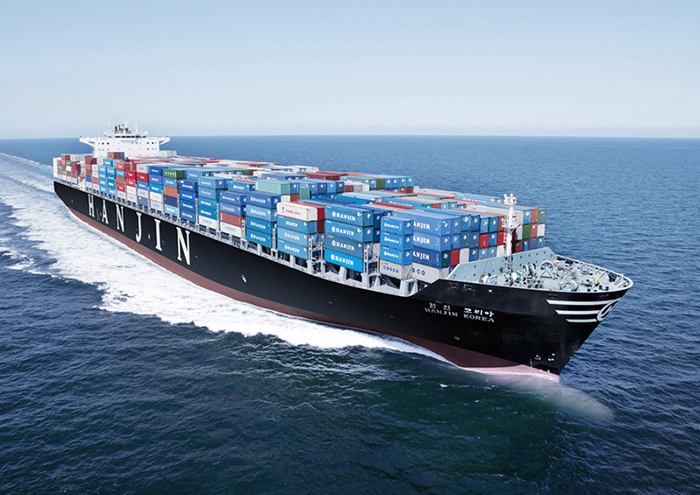
On 1 September 2016, Hanjin Shipping, a major container line, obtained an Order from the Seoul Central District Court to commence rehabilitation proceedings and appoint an administrator. The aim of the rehabilitation proceedings is to allow Hanjin to restructure its debt in order to save the business as a going concern. The Administrator will run Hanjin’s business and manage its assets, under the supervision of the Seoul Court and creditors.
The sudden collapse of Hanjin has created significant and complex problems for many parties. Dozens of chartered bulk and container vessels have already been redelivered early, increasing available tonnage in already over-supplied and weak sectors of the market. There has also been considerable disruption to Hanjin containerised cargo, in the period leading up to the Christmas and holiday season.
This article provides an overview of some of the main issues likely to be experienced by Members and clients.
Recognising the rehabilitation outside of Korea
Hanjin’s Administrator has sought recognition of the Korean rehabilitation order in various key jurisdictions around the world to prevent creditors from arresting/seizing vessels, containers or other assets.
Recognition of some form has now been granted by Courts in Australia, Canada, Germany, Japan, Singapore, the UK and the US. Further countries are expected to be added in the coming weeks.
In the UK, save for certain exceptions, claimants are now prevented from commencing or continuing legal actions against Hanjin, including arbitrations. In practice this means that London arbitration claims against Hanjin must now be suspended, unless Hanjin consents or the High Court in London grants permission, e.g. where Hanjin has provided security to the claimant. Arbitration claims by Hanjin can proceed, but the Administrator will likely consider each case carefully before agreeing to do so.
In the US, the Bankruptcy Court has granted provisional relief to Hanjin, but there are ongoing disputes as to the extent to which that protection will take effect. Currently, any actions against Hanjin, or any assets or vessels owned, managed or chartered by Hanjin, are prohibited by a court order. However, that court order is under appeal.
Early termination of charterparties by Hanjin
Hanjin are believed to have had around 80 vessels on long term charter. An important part of the Administrator’s reorganisation will be to identify which of Hanjin’s contracts are profitable and to terminate those that are not. With the poor state of the shipping market, many of Hanjin’s charterparties are now being terminated at the first opportunity, although this is often being done in such a way as to reduce practical problems – e.g. once cargo has been discharged from the vessel.
Upon termination, the owner (or disponent owner) will want to mitigate losses and submit a claim for unpaid amounts under the charterparty and damages for early termination. In the current market, it may well be difficult to find a replacement charter on similar terms, in which case there will be difficulties calculating the future loss of earnings.
Care should also be taken to ensure that supplies arranged by Hanjin, e.g. bunkers, have been paid for before credit is given for their value on redelivery.
Hanjin container cargo
With tens of thousands of containers involved, in many different countries, and with competing interests, the position here is complex.
In some cases, terminals are refusing to accept ’Hanjin’ cargo, or even empty containers, unless they have security for their potential fees/costs. In other cases, there are conflicts between the orders that Hanjin have given to vessel owners and the receivers’ expectations, e.g. where Hanjin want cargo to be discharged at a particular ’safe’ port not stated in the bill of lading. In some places, terminal operators are seizing the cargo as security for their costs and charges.
The rights and obligations of vessel owners and charterers will largely depend on the contractual position both under the charterparty and the contract of carriage. No general advice can therefore be given and advice should be sought on a case by case basis.
Korean insolvency proceedings
In very general terms the expectation is that:
(a) debts incurred by Hanjin before the reorganisation will form part of the unsecured claims and creditors are likely to receive only a small part of their claim paid (unless already secured, see below).
(b) debts which incurred during the reorganisation period until the Administrator of Hanjin decides to terminate a contract, should be paid in full but this will depend on whether there are sufficient funds available to meet this obligation.
(c) contracts affirmed by the Administrator should be honoured.
(d) claims arising from the Administrator’s decision to terminate a contract will be dealt with under (a) above.
(e) If a claim against Hanjin was secured before the reorganisation, then it will likely proceed in the normal way, with any unsecured balance being dealt with under (a) above.
The current deadlines are understood to be as follows:
10 October 2016: The Administrator submits a list of unsecured and secured creditors’ claims.
25 October 2016: The deadline for unsecured and secured creditors to register claims if they disagree with the Administrator’s record.
26 October – 15 November 2016: The Administrator inspects unsecured and secured claims
9 December 2016: First meeting of the Administrator and creditors
The 25 October 2016 deadline above is the important one for many. We recommend that potential claimants seek advice because the calculation of claims can be complex, and assistance may well be needed from Korean lawyers.
Source: GARD
Shipping groups urge adoption of CO2 data collection before regulation
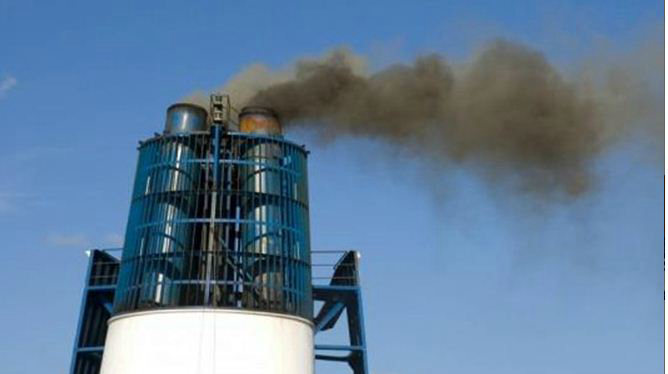
Bimco, ICS (International Chamber of Shipping), Intercargo, Intertanko, and World Shipping Council made a joint industry submission to IMO’s Marine Environment Protection Committee (MEPC 70) which meets from 24-28 October 2016 in London.
The shipping groups, which represent a unified response from the shipping industry, urged IMO member states to finalise the uptake of the proposed CO2 data collection system as a precursor to the consideration of possible next steps to address the sector’s CO2 emissions.
Such steps could build on the existing IMO mandatory agreement on technical and operationalo measures to reduce shipping’s CO2, which entered into force worldwide in 2013 – the first global agreement of its kind to be established outside of the United Nations Framework Convention on Climate Change (UNFCCC).
The industry associations will be requesting MEPC 70 to agree to develop a roadmap which would include a timeline for the completion of finalising the adoption of the global CO2 data collection system.
The joint industry submission describes the work as determining a fair share contribution towards reducing the world’s total CO2 emissions, of which international shipping is currently responsible for about 2.2\%.
The industry associations pointed out that the submission to MEPC 70 is intended to demonstrate that shipping is responding responsibly to global climate change, and that IMO is the only competent authority for addressing shipping’s CO2 emissions.
© Copyright 2016 Seatrade.

Powered by  © Μaritimes 2019