


Oil tanker attacked in key shipping lane off Yemen
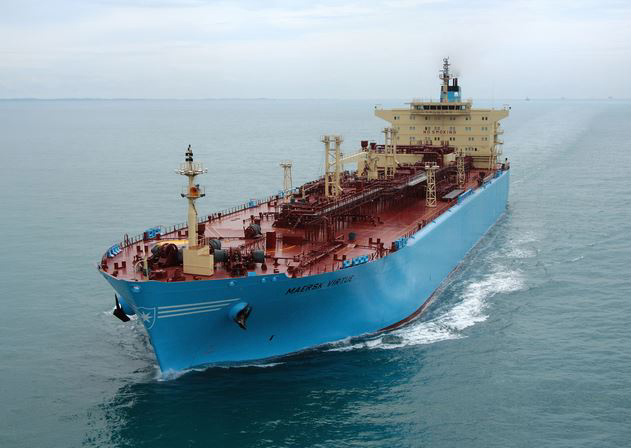
The EU Naval Force said in a statement that the attackers fired rocket-propelled grenades before breaking off their assault on the Marshall Islands-flagged tanker MT MUSKIE in the southern Bab al-Mandab Strait. The tanker is 70,362 tons deadweight.
A spokesman for the EU force said the attack did not appear to have been launched by pirates and was likely related to "continuing instability at sea off the coast of Yemen."
Vessels near Yemen's southern coast have been attacked in recent months by Houthi militants who are fighting against Yemen's Saudi-backed government in a civil war that has left millions of people starving.
Nearly four million barrels of oil are shipped daily to Europe, the United States and Asia via the Bab al-Mandab, as well as other commercial goods.
www.reuters.com
2nd Annual beach cleaning at Oinousses sponsored by ANGELAKOS (HELLAS) S.A.
 |
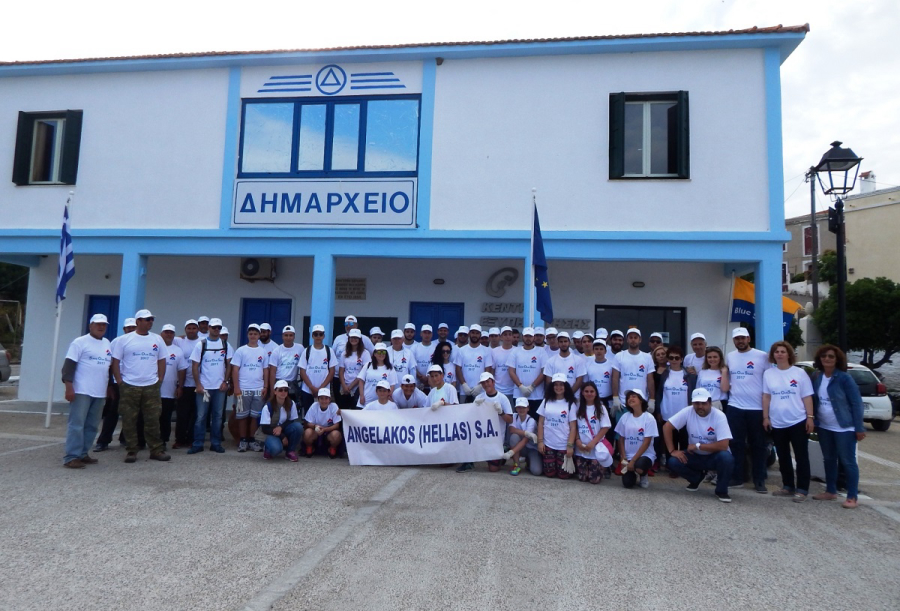
| (Photo 1) Volunteers outside the Municipality of Oinousses prior to cleaning. |
Angelakos (Hellas) S.A. was represented by Mr. Dimitris E. Angelakos, Capt. Panagiotis Andriotis, Mrs. Chrysanthi Andrioti, Mrs. Sevasti Theodoraka, Miss Aliki Ioannidi, Mr. Ioannis Chondrodimas and Miss Vasiliki Palli. They were joined by students from the High School and the Merchant Marine Academy of Oinousses, Municipal Councilors, as well as the staff of the Cleaning Service of the Municipality (Photo 1).
 |
| (Photo 2) High School students cleaning “Kakopetria” beach. |
The company’s purpose is to raise the awareness of all of us to the protection of the environment and the sea. It is interesting to note that most of the volunteers were aged 12-20 years old; an indication that the youth do care about nature and want to keep our seas clean. The fact that 28 of the volunteers were students of the Merchant Marine Academy is an encouraging sign that young people -who will eventually become members of the shipping community- do care to protect the seas from being polluted.
 |
| (Photo 3) Students from the Merchant Marine Academy of Oinousses cleaning “Agios Ioannis” beach. |
Tankers: Is bigger better?
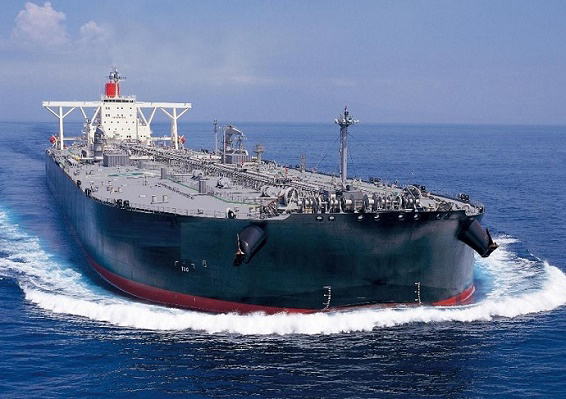
This week, Scorpio Tankers revealed it is to acquire Navig8 Product Tankers through a merger. The merged entity’s fleet will consist of 105 product tankers, including 38 LR2s, 12 LR1s, 41 MRs and 14 handymax vessels, plus 19 ships on time or bareboat charters. Scorpio Tankers also has six MR tankers on order at Hyundai Mipo that are all scheduled for delivery this year.
In the VLCC segment, Frontline has hotly pursued a takeover of DHT Holdings, which was finally rejected by the company. A merger of the two companies would have created the world’s biggest listed tanker company. The combined fleet would have comprised 72 tankers, including 40 VLCCs. Frontline also has another 10 vessels on order, including four VLCCs.
But is it better to be bigger?
2016
The rationale behind consolidation and creating an entity with many vessels is to create economies of scale in order to better compete on a cost-plus basis. However, rates continue to be depressed with little prospect of improvement.
Last year was a tough one for tankers – even for the larger companies. In the crude sector, Frontline and DHT saw their respective daily timecharter equivalent (TCE) rates decline by 46\% and 50\% over the course of the year, according to public filings. The products trade had it only slightly better: Scorpio Tankers saw its daily TCE rates fall 38.4\% over the year.
The depression in rates was largely due to rising oil prices, limited additions in refinery capacity, high oil inventories and slow economic growth.
Asset play
Of course, if things were to really go belly-up in the charter market, then players with large fleets can always count on their residual asset values to shore them up, particularly if they’ve invested in modern quality tonnage. ¬¬That’s the theory anyway.
The dry bulk market has offered a cautionary tale. Star Bulk bought 34 bulk carriers from Excel Maritime that were valued at around $623m when the time the deal was agreed in August 2014. However , when the ships were delivered in April 2015, their collective market value had fallen to an estimated $351m, according to reports. Bulker asset values have appreciated since then, but still aren’t quite back to 2014 levels.
The respective values of a five-year-old VLCC (305,000 dwt) and MR product tanker (51,000 dwt) dropped by around 25\% over the course of 2016, according to Baltic Exchange assessments. Tanker asset values are expected to remain depressed due to vessel supply growth and low newbuilding prices.
Buying a large number of ships can to some extent protect a company’s position but it’s still a gamble on future asset values, which remain subject to wider market forces.
Macro factors
Being a commoditised market, tanker companies are playing a waiting game for growth in seaborne volumes, which makes them vulnerable to macroeconomic factors. Aging consumers, technological innovation and protectionist trade politics are all big issues that have the potential to slow growth in international trade.
There are modest expectations for future demand growth for crude tankers, but these are likely to be offset by strong growth in vessel supply. What is more, the global fleets of crude tankers has an average age of just 8 years, and the clean tanker fleet (LR1s, LR2s and MRs) has an average age of around 8.5 years, according to our estimates. The relative youth of the fleets will prevent vessel supply and demand being rebalanced quickly.
Big players have the ability to throw their weight around and take a big market share, just like the little guy, they remain subject to vessel oversupply and sluggish demand growth.
Source: Alibra Shipping
The 20th Annual Meeting of the Hellenic and Black Sea Committee of Bureau Veritas
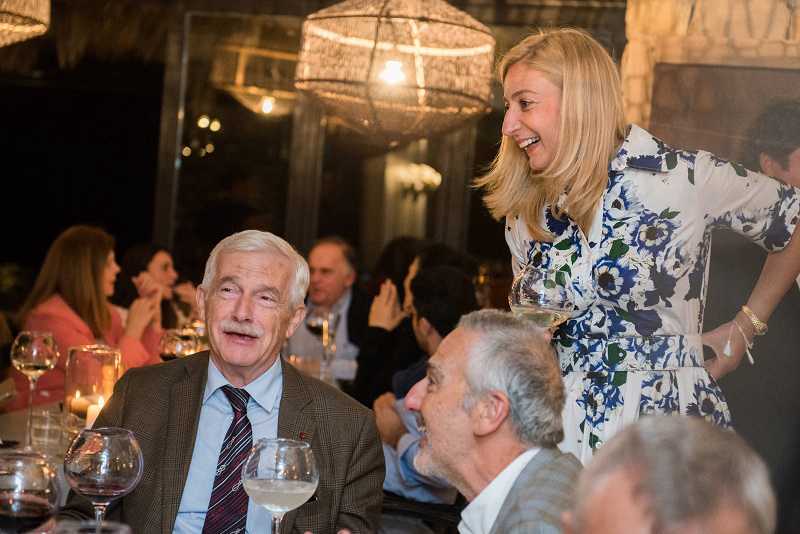
was held on the 19th of May 2017 under the Chairmanship of Mr. George Procopiou and the presence of the Bureau Veritas Top Management, namely Mr. Philippe Donche-Gay, President Marine & Offshore Division, Mr. Matthieu De Tugny, Chief Operations Officer Bureau Veritas M&O Division, Mr. Didier Bouttier, Senior Vice President M&O Division SEMEA Zone, Mr. Claude Maillot, Senior Vice President & Chief Executive, North Asia Zone & China, Mr.Jean-François Segretain, Technical Director M&O Division, Mr. Nick Brown, Communications Director, Mr. Stephen Tierney, Managing Director of TMC Marine, a BV Group Company, Dr. John Kokarakis, Technology & Business Development Director M&O Division, Mr. George Andreadis, Marine Manager & Mr. Michael Sterghiou, Director SE Europe Bureau Veritas Commodities.
This year the Committee took place in the beautiful surroundings of the island of Mykonos.
Following the welcome and adoption of the agenda by the Committee’s Chairman, Mr. George Procopiou, a distinguished colleague of shipping, Mr. Polys Hajioannou, CEO of Safe Bulkers, Inc., was introduced as new member.
Mr. Philippe Donche-Gay opened the round of presentations with a critical review on the Bureau Veritas Group’s Corporate & Marine Activities & Results for 2016. Mr. Donche-Gay pointed out the continuous growth of Bureau Veritas Marine & Offshore Division during the past twenty (20) years that the Committee has been taking place.
Subsequently, Mr. Jean- François Segretain made a presentation on the review of Bureau Veritas technology and capabilities, resulting to an interesting exchange of views.
Mr. Stephen Tierney in his turn presented an overview of TMC capabilities and analyzed the project of SEWOL, a Korean Ro-Ro passenger vessel which tragically capsized and sank on April 2014 near the southern city of Mokpo; TMC Marine was instructed as technical consultants for the wreck removal of SEWOL.
The presentation by Dr. John Kokarakis focused on the implications of the global cap of 0.1\% fuel sulphur content to be burnt world-wide by ships after January 1st 2020. It examined ways to comply along with the techno-economic issues associated with each option, namely burning distillate fuels, other alternate fuels such as LNG or methanol, or utilizing exhaust gas cleaning systems.
Mrs. Helen Polychronopoulou, Executive Vice President of EPE S.A. & President of HEMEXPO board, made a presentation on the services & products of the Hellenic Marine Equipment Manufacturers & Exporters.
The presentation of Mr. Claude Maillot focused on the current situation of the Asian Shipyards presenting also figures regarding the current order book in China, Korea & Japan.
The meeting was concluded with the traditional heated discussion between the members on topics of evolving interest, and the social time during the lunch at the beautiful resort.
During the Committee meeting the members’ spouses had the opportunity to participate in a very interesting walking tour at Mykonos town, visiting also the Folklore & Archaeological Museums.-
 |
| P. Laskaridis, P. Palaiologou, N. Vafias |
 |
| K. Therapioti, S. Paliou |
 |
| E. Gotsis, G. Moundreas |
 |
| K. Therapiotis, A. Faraklas |
 |
| E. Procopiou, G. Procopiou, P.N. Tsakos, M. Procopiou |
 |
| P. Palaiologou |
 |
| P. Donche-Gay |
 |
| Cpt. P.N. Tsakos, V. Restis |
 |
| A. Polemis, N. Brown |
 |
| P. Dragnis, E. Polychronopoulou |
 |
| L-R: Didier Bouttier, Cpt. Panagiotis N. Tsakos, Philippe Donche-Gay, George Procopiou, Paillette Palaiologou and George Dalacouras. |
 |
| L-R: J. Kokarakis, A. Faraklas, V. Restis, G. Dalacouras, E. Polychronopoulou, S. Paliou, P. Palaiologou, G. Moundreas, I. Procopiou, P.Donche-Gay, G. Procopiou, M. Procopiou, D. Bouttier, P.N. Tsakos, E. Procopiou, P. Laskaridis, K. Therapioti, D. Dellaportas & V. Terzis 2nd row L-R: L. Polemis, K. Therapiotis, M. Dalacouras, Th. Savvas, M. Kondilis, M. Bodouroglou, L.A. Chahalis, D. Condylis, E. Gotsis, P. Dragnis, N. Vafias, P. Pappas, A. Poulovassilis, S. Tierney 3rd row L-R: M. Sterghiou, G. Andreadis, N. Balalis, G. Perantzakis, J.F. Segretain, M. De Tugny, A. Polemis, N. Brown, C. Maillot, C. Diamantis, G. Mylonas |
 |
| M. Bodouroglou, V. Restis |
 |
| P. Palaiologou, D. Bouttier, P.Donche-Gay |
 |
| M. Psalti, P. Pappas |
 |
| P. Palaiologou, E. Polychronopoulou |
 |
| L.A. Chahalis, K. Therapioti |
 |
| P. Palaiologou, A. Procopiou, M. Psalti, G. Procopiou, M. Bodouroglou |
Cyprus Shipping Chamber Holds 28th AGM
 |
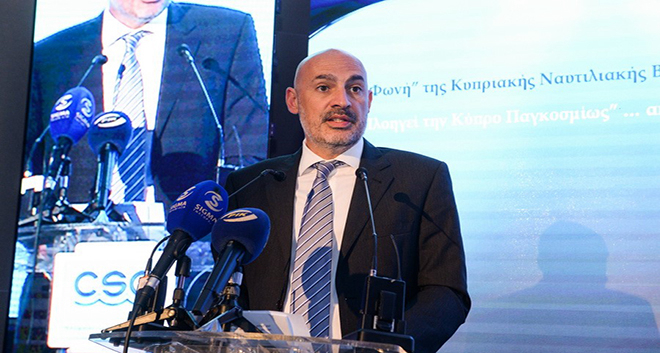
| The President of the Cyprus Shipping Chamber, Themis Papadopoulos |
Addresses at the Meeting were given by the Minister of Transport, Communications and Works, Marios Demetriades, on behalf of the President of the Republic, Magda Kopczynska, Director for Waterborne Transport, Directorate-General for Mobility and Transport of the European Commission and the President of the Cyprus Shipping Chamber, Themis Papadopoulos.
In his address, read by the Minister of Transport, the President of the Republic, Nicos Anastasiades, praised and congratulated the Cyprus Shipping Chamber for its continuous contribution and active involvement in the further development of Cyprus Shipping. He also described Shipping, as an ‘Asset’ for Cyprus’ and reiterated that the Government is committed to providing the necessary political support to the Shipping Industry through the introduction of specific mechanisms, which are considered essential for reinforcing further this sector, such as the creation of a ‘Deputy Ministry of Shipping’. He also expressed the belief that, through the Deputy Ministry of Shipping, Cyprus Shipping, for which the State feels proud of, will be able to continue and further increase its substantial socioeconomic contribution.
The President of the Chamber, Themis Papadopoulos, made particular reference to the lifting of the Turkish Embargo on Cyprus ships, within the framework of the recent discussions at European level, pertaining to the possible ’revision’ of the current Customs Union between the European Union and Turkey, stating that the lifting of the Turkish Embargo will give a strong impetus in further developing the entire Cyprus Maritime Cluster. In addition, Papadopoulos expressed the satisfaction of the Cyprus Shipping Industry with regard to the Government’s decision to proceed with the creation of a Deputy Ministry of Shipping and urged the Political Parties to urgently approve the relevant Bill, which has already been submitted in Parliament.
In her address, Magda Kopczynska, Director for Waterborne Transport, Directorate-General for Mobility and Transport of the European Commission, presented a general framework of the current Maritime Policy of the European Commission. Kopczynska, also expressed the European Commission’s position with regard to the need for the urgent lifting of the Turkish Embargo on Cyprus ships, as well as the clear intention of the European Commission to maintain the “EU State Aid Maritime Guidelines for Maritime Transport”.
During the Meeting, elections were also held for the new Board of Directors of the Chamber for the period 2017-2019.
The LNG Fuel Finder – a new service for LNGi
 |
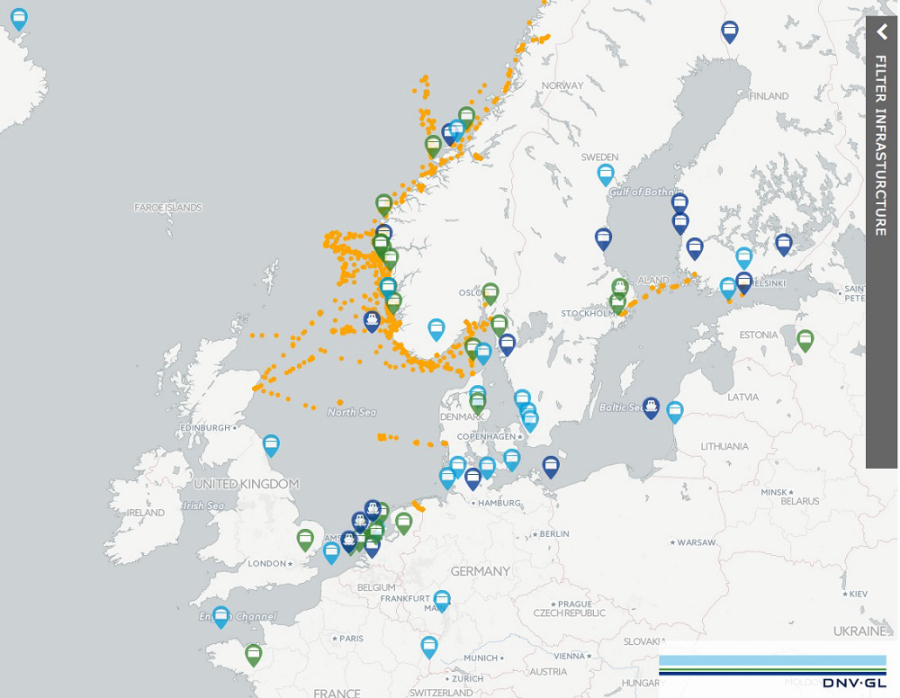
| LNG bunkering map in Europe as displayed in the LNGi portal (source: DNV GL) |
The new LNG Fuel Finder service will allow shipowners and charterers to register their interest in using LNG as a ship fuel free of charge, connecting them directly with LNG suppliers. DNV GL has also introduced the option of signing up to a new lean version, where interested parties can access some of LNGi’s services and data free of charge.
The question of bunkering availability is still a major stumbling block for shipowners looking to make their first moves in LNG as a marine fuel. Information can be hard to find, and it remains challenging to keep track of new developments. Meanwhile, many LNG suppliers find it difficult to aggregate sufficient demand to justify investment decisions. “The LNG Fuel Finder helps these two parties come together, by providing shipowners with the opportunity to show the supply industry their interest in LNG bunkering. It also helps to overcome the high entry barrier for new suppliers to the market,” says Martin Wold, Senior Consultant Environmental Advisory at DNV GL – Maritime.
With the new tool, shipowners can quickly and easily inform LNG suppliers about their potential interest in bunkering LNG in specific locations. Shipowners and charterers will be able to login and submit a request for LNG bunkering for free, specifying location, volume and from which date they would like to bunker LNG – then, this information will be made available to LNG suppliers. The tool should prove especially useful for shipowners evaluating their fuel decision for newbuilds, who would like to efficiently confirm or dismiss the feasibility of the LNG option, and connect with all potential suppliers.
“In the future, we plan to incorporate additional market intelligence features in the tool,” adds Martin Wold. Alongside the launch of the LNG Fuel Finder there are also further optimizations to LNGi. Other new features include AIS tracking of LNG bunker vessels, additional data on LNG-fuelled ships, insights on the most frequently visited ports as well as the new lean version of LNGi, which is free of charge. The complete and comprehensive insights to LNG fuel developments remains available only to paying members of LNGi.
About LNGi
DNV GL’s LNGi portal was launched in March 2016 to help the maritime industry keep track of all the latest developments in the LNG sector. Leading LNG suppliers and engine manufacturers, including Shell, the Marine division of Rolls-Royce and MAN, were some of the first companies to subscribe. Today, the portal has 20 members including SEA/LNG, the industry coalition focused on accelerating the widespread adoption of LNG as a marine fuel. LNGi allows subscribers to assess the availability of LNG fuel for specific trade routes and newbuild projects. It also provides information about current market developments, as well as status updates of other alternative fuels and emissions reduction technologies across every vessel segment.
For more information about LNGi, please visit: https://www.dnvgl.com/maritime/mydnvgl-service-overview/lngi-business-intelligence-portal-for-lng-industry.html
About DNV GL
Driven by our purpose of safeguarding life, property and the environment, DNV GL enables organisations to advance the safety and sustainability of their business. We provide classification, technical assurance, software and independent expert advisory services to the maritime, oil and gas, and energy industries. We also provide certification services to customers across a wide range of industries. Operating in more than 100 countries, our professionals are dedicated to helping our customers make the world safer, smarter and greener.
About DNV GL – Maritime
DNV GL is the world’s leading classification society and a recognised adviser for the maritime industry. We enhance safety, quality, energy efficiency and the environmental performance of the global shipping industry – across all vessel types and offshore structures. We invest heavily in research and development to find solutions, together with the industry, that address strategic, operational and regulatory challenges. For more information visit www.dnvgl.com/maritime.
DNV GL salvage support for the “Modern Express”
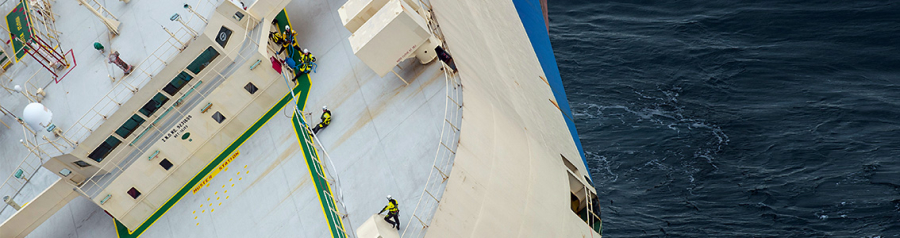
Last year, the “Modern Express”, a Panama-registered ship transporting 3,600 tons of construction machinery and timber from Gabon in West Africa to the French port of Le Havre, was caught in a severe storm in the Bay of Biscay. Battered by heavy seas and swells, the vessel developed a 40-degree list and lost engine power. The captain sent out a distress signal and the vessel’s 22 crew members were safely evacuated by two Spanish search and rescue helicopters, leaving “Modern Express” to flounder in extreme weather and in danger of capsizing.
Shortly after the crew was evacuated, the “Modern Express” began drifting towards the French coast. Because of this development, the participating Maritime Rescue Coordination Centers decided to arrange for the rescue operation from the French Prefecture Maritime in Brest. Subsequently, France assumed responsibility for coordinating the rescue operation, during which time Smit International entered a Lloyd’s Open Form – SCOPIC agreement with the owner of the “Modern Express”.
Safely boarding and towing with support from DNV GL
According to Richard Janssen, Commercial Director of SMIT Salvage, the greatest challenge in any salvage operation is gaining timely access to reliable information. “Until we get people on board to assess the condition of the vessel itself, it is difficult to get an accurate picture of what we are dealing with,” he says. “The stability calculations we receive from the class of the vessel, combined with analysis from our own team, can make a big difference in how we approach salvage operations.”
The Emergency Response Service (ERS™) from DNV GL was determined to be in the best position to contribute to SMIT’s requirements for making a quick decision with regards to boarding the stricken vessel. ERS mobilized a three-man duty team and, based on unrivalled access to vessel information and predefined 3D computer models, provided rapid-fire technical expertise – informing SMIT’s on-scene salvage team that the vessel had sufficient stability to remain afloat.
 |
After having applied for a place of refuge in accordance with the new EU Operational Guidelines, the Spanish authorities gave their approval for the “Modern Express” to utilize the Port of Bilbao, where a team of eight from SMIT boarded the vessel to connect additional tugs for berthing. Finally, the vessel was secured to the dock with specialized shore-tension equipment.
The next challenge was how to right the ship. “We discussed using counterweights to bring the ship upright, but as the SMIT team was able to assess the vessel more thoroughly, we verified and helped them to improve a nine-step sequence using external pumps and the ship’s tanks to gradually right the ship,” explains Øyvind Træthaug from ERS for DNV GL.
DNV GL exceeds customer expectations by utilizing technical expertise garnered from our in-depth maritime and offshore industry heritage, while delivering operational skillsets leveraged by our team’s practical understanding and experiences from previous careers in the merchant marines, coast guard and navy.
“We received excellent support from DNV GL in this situation,” says Janssen. “The vessel was listing at 40 degrees, with some decks partially submerged, making it difficult for our experts to assess structural damage. However, DNV GL’s calculations helped confirm our own analysis of the vessel’s condition, and we agreed the ship was seaworthy enough to be towed.”
Richard JanssenCommercial Director,SMIT Salvage
Merchant ships' involvement in migrants’ search and rescue operations growing again
 |
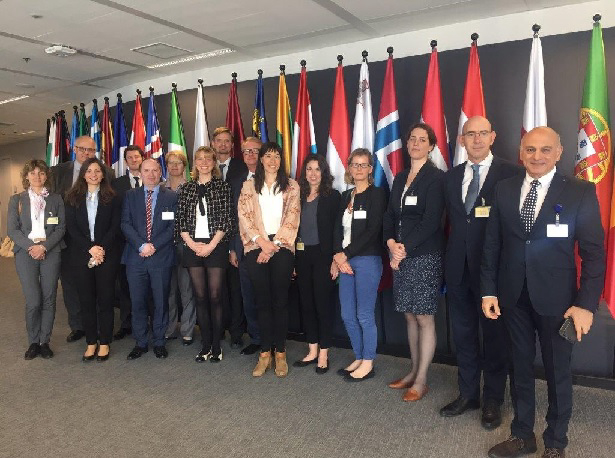
The Shipping industry is directly affected by challenges, such as migrants at sea. Whereas the number of migrants rescued from the sea has gone down from the peak-year of 2015, merchant vessels are still often involved in the Search and Rescue (SAR) operations in central, western and eastern Mediterranean.
Concerning the “Operation Triton” of the European Border and Coast Guard Agency, in 2016, out of all 1629 incidents, 4\% involved merchant vessels assistance while in 2017 out of 470 so far the share is 12\%. The European Border and Coast Guard Agency’s activities have intensified and its tasks increased, and the operational concept of its Maritime Operations is related to the early detection of migrants, contribution to the SAR operation and detection of other cross border crime activities. Migration remains one of the biggest operational activities in 2017.
“Often, merchant ships are the first to assist with the rescue of migrants. In accordance with international conventions, our Captains have a legal obligation to help people in distress at sea, and we will of course honour these commitments when needed. However, commercial ships are not equipped neither are the crews trained to undertake large-scale rescues. Therefore, commercial ships should not become a permanent part of the solution to this problem, the scale of which appear to grow proportionally to the availability of rescue platforms at sea. Within the international legal framework, other and more comprehensive solutions should be considered. For example addressing the root causes of the problem, removing the migrants’ incentive to migrate, and containing the problem to the shores” the Chairman of ECSA’s Maritime Security Working Group, Mr. Jakob Paaske Larsen,said.
’”We appreciate to a great extent and are impressed by all the work and operations undertaken by the European Border and Coast Guard Agency on search and rescue operations. The added value of its ongoing operations is important and has ameliorated the pressure on the merchant fleet to a big extent’’ he concluded.
Mr Georgios Vourekas, Head of Sea Border Sector at the Joint Operations Unit underlined that the European Border and Coast Guard Agency is aware of the impact the high number of search and rescue operations has on the merchant vessels involved and said that it is ready to debate with all partners in order to find a solution for these challenges.
Source: European Community Shipowners’ Associations
StealthGas beats Street with record revenue
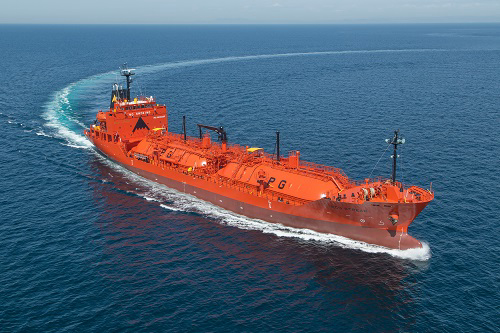
StealthGas has recorded a stronger than forecast first quarter profit fueled by its highest fleet utilization performance in three years.
 |
| Harry Vafias of StealthGas does a test run prior to ringing the closing bell at the Nasdaq at Times Square. Photo: Nasdaq OMX Group Inc |
Earnings per share of $0.05 were three cents clear of what analysts on Wall Street had anticipated.
StealthGas says utilization of 97.3\% was the highest since early 2014, with an uptick in the market also helping to drive record revenue of $38.1m.
The shipowner also announced a string of time charter developments that boosted its contracted revenue to $170m.
Michael Jolliffe, chairman of StealthGas, said: “Our performance during the first quarter of 2017 leaves us cautiously optimistic for the future."
He added: “It must be taken into consideration though, that as is customary, the first quarter is driven mostly by seasonal demand with weaker quarters anticipated to follow.
“Nevertheless, we believe that the low orderbook of our segment and a further stabilization in oil prices have the potential to reinforce improvements in our market fundamentals.”
www.tradewindsnews.com
Cyprus President calls for support to strengthen its maritime industries
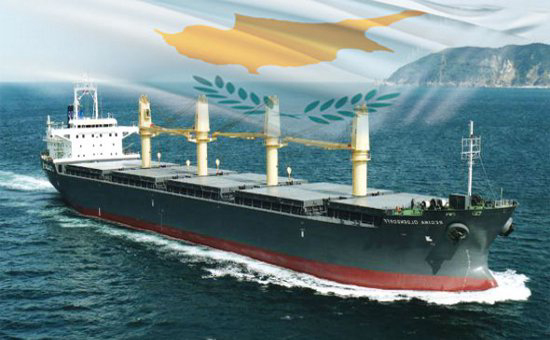
Anastasiades heaped praise the country's shipping community telling them they have been “the closest collaborators of the government on shipping and a steady supporter in its efforts to improve infrastructure, policies and procedures so as to meet the increasing demands and challenges of international shipping".
But, addressing the 28th agm of the Cyprus Shipping Chamber (CSC), in Limassol on 19 May the president called for closer cooperation and input as the government works to lift the country from third rank in the European Union and 11th in the world.
In a prepared speech delivered by Transport, Communication and Works Minister, Marios Demetriades, the President said the CSC’s contribution, support and cooperation was “substantial” in all shipping matters relating to technical and policy issues, as well as in modernising the maritime legislation, promoting the Cyprus flag and Cyprus shipping.
He then vowed: “We will do our utmost to enhance the competitiveness of our flag and of our maritime cluster. Our objective for the future is to consolidate and further develop our role in world shipping and to provide the conditions for sustainable growth of the shipping sector in Cyprus.”
He said part of the new shipping strategy was the significant increase of its presence in important shipping capitals with a number of visits and road shows in Hong Kong, China, USA, UK, Germany and Greece. "Furthermore, a study for the identification of new shipping markets and ship types has been recently completed and it will be fully utilised within 2017 with the aim to increase our fleet,” said Anastasiades.
He noted the goal is to create three new cabinet offices – for shipping, tourism and development – but said this has been bogged down in parliament.
“A testimony of our commitment and support to the shipping industry is the bill for the creation of a self-standing Shipping Ministry, which we have submitted a few months ago to parliament. I believe introduction of this specially designed and innovative mechanism is essential, not only for reinforcing further this sector but also in conveying a clear message of political support that will constitute a convincing leverage for attracting additional quality shipowners and shipping companies to Cyprus,” said Anastasiades.
Appealing to all political parties to approve the relevant bill he said the plan is to restructure the administration to increase its functionality, effectiveness and flexibility “with a direct and immediate effect in the further development of both our flag and our maritime cluster”.
CSC chairman Themis Papadopoulos appealed to the parliamentary groups to urgently approve the bill on establishing the Deputy Ministry for Shipping.
Meanwhile Anastasiades noted that “regrettably, Cyprus shipping is still faced with the trade prohibitions imposed by Turkey on Cyprus ships calling at Turkish ports”, an issue placed on the list of Cyprus government priorities and “efforts will be intensified and continue until these illegal trade restrictions are lifted".
Magda Kopczynska the head of the Maritime Transport and Logistics Unit of the Directorate General for Mobility and Transport told the meeting it's the European Commission’s view that the Turkish embargo on Cyprus-flag vessels should be lifted immediately.
David Glass
Greece Correspondent, Seatrade Maritime

Powered by  © Μaritimes 2019