


DWT class LNG-fuelled bulk carrier design joint development project announced
 |
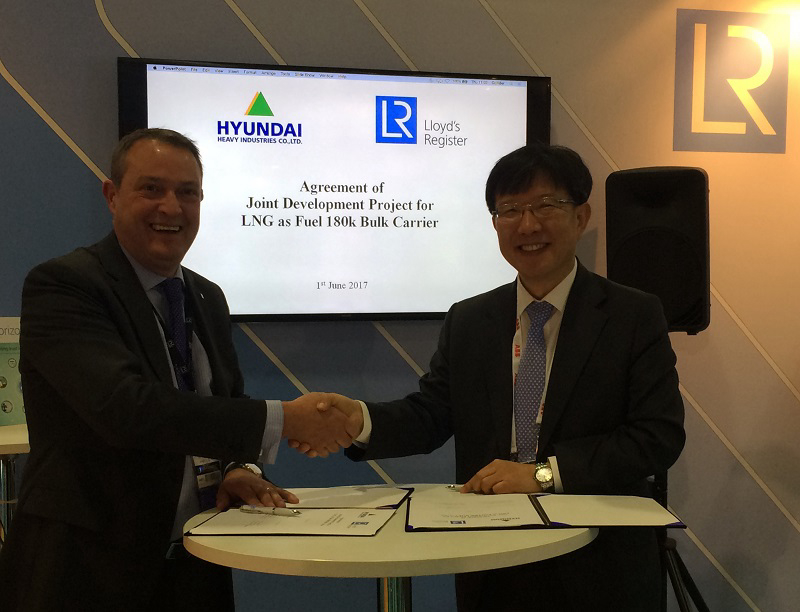
| LR's David Barrow and HHI's Bong-Jun Jang signing the agreement at Nor-Shipping |
Since the introduction of the IMO’s NOx and SOx emission limitations, and increased developments in the global supply of gas, there is a continued need for ship designs to evolve to provide further alternatives to traditional oil-fuelled designs. As new building orders in larger size ranges are expected, a 180k DWT class bulk carrier was selected for this design development project.
David Barrow, LR’s Director of Innovation, Marketing & Sales, said: “We are really pleased to announce this new joint development project. These HHI designs offer the possibility for owners to comply with emissions regulations worldwide while keeping the investment viable and competitive. It is really important to LR to be able to help support this type of innovation in the market and assist in bringing such solutions from concept to safe and effective adoption.”
Bong-Jun Jang, HHI’s Senior Executive Vice President, mentioned: “We sincerely believe this JDP will bring environmentally-friendly and economical solutions for future bulk carrier designs and be remembered as a milestone in shipbuilding history. It has always been our great pleasure to launch JDP’s with LR and our collaboration will lead to technological improvement aimed towards energy saving and cleaner shipping.”
About Lloyd’s Register
Lloyd’s Register (LR) is a global engineering, technical and business services organisation wholly owned by the Lloyd’s Register Foundation, a UK charity dedicated to research and education in science and engineering. Founded in 1760 as a marine classification society, LR now operates across many industry sectors, with some 8,000 employees in 78 countries.
LR has a long-standing reputation for integrity, impartiality and technical excellence. Its compliance, risk and technical consultancy services give clients confidence that their assets and businesses are safe, sustainable and dependable. Through its global technology centres and research network, LR is at the forefront of understanding the application of new science and technology to future-proof its clients’ businesses.
About Hyundai Heavy Industries
In an effort to improve management efficiency and sharpen its core competitiveness, Hyundai Heavy Industries (HHI) Group, the world’s biggest shipbuilder and a leading integrated heavy industries group is recently spun off into four independent companies; Hyundai Heavy Industries, Hyundai Electric & Energy Systems, Hyundai Construction Equipment and Hyundai Robotics.
The new Hyundai Heavy Industries now with Shipbuilding, Offshore & Engineering, and Engine & Machinery Division has delivered more than 2,000 plus quality ships to 305 ship owners in 51 countries since its foundation in 1972. HHI is continually enhancing its leadership position in the world shipbuilding industry, in collaboration with its affiliated shipbuilding companies Hyundai Mipo Dockyard and Hyundai Samho Industries. Moving forward, HHI will continue to strengthen its global standing as the world’s leading heavy industries company by providing total ship and marine solutions for its valued clients across a diverse selection of industries. www.hyundaiheavy.com
Nominations now open for TMS Awards
 |
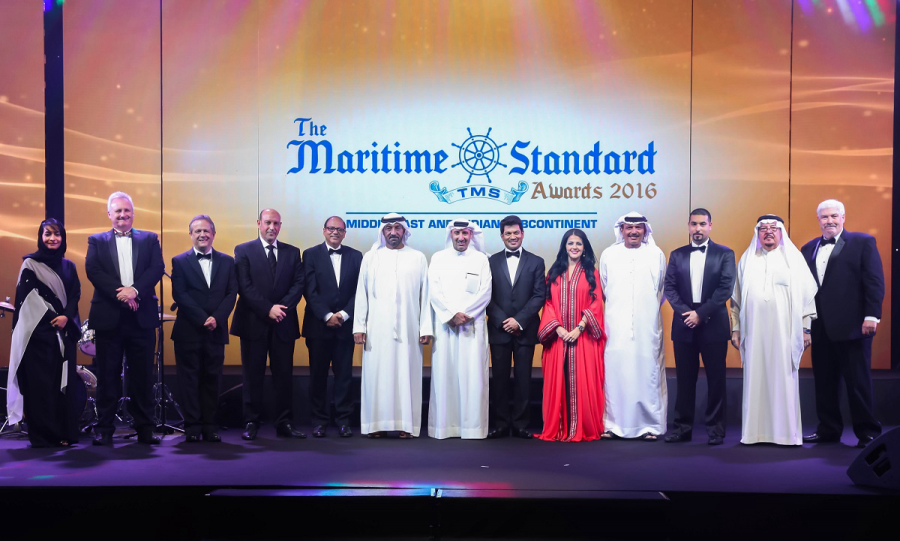
| H.H. Sheikh Ahmed Bin Saeed Al Maktoum, President, Dubai Civil Aviation Authority and Chairman and Chief Executive, Emirates Airline and Group (centre), (left to right) Noura Rashed Al Dhaheri, Abu Dhabi Ports; Ray Girvan, Glenbuck Publishing; Clive Woodbridge, The Maritime Standard; Yasser Nasr Zagloul, National Marine Dreding Company; Rajiv Agarwal, Essar Ports; H.E. Shaikh Daij Bin Salman Al Khalifa, Arab Shipbuilding and Repair Yard; Rania Ali; Khamis Juma Buamim, Gulf Navigation; Ali Lakjani, Dubai Trading |
It is an occasion organised by The Maritime Standard to recognise industry achievements and celebrate success.
There will be around 30 different awards presented on the night, the majority of which will be selected by an eminent panel of independent judges. A full list of categories, and how to enter, can be found on the website http://www.tmsawards.com/award-categories/.
Nominations are invited from across the region, including both the Middle East and the Indian Subcontinent, and based on the experience of past years, winners will be spread across many different countries. Last year the number of nominations received exceeded expectations, and a similar level of interest is expected for 2017 also.
All the judges are experts in their fields with many years of experience in shipping, ports, shipbuilding and repair and other areas of the maritime industry. These judges independently assess the nominations and submit marks based on predetermined criteria to ensure a transparent and fair process.
Managing director Trevor Pereira says, “We have been fortunate to have gained acceptance from some of the best known names in the business to be on the judging panel. The industry will, I am sure trust in their judgment in determining worthy winners in all categories.”
The deadline for submitting nominations is 10th August 2017. "Putting a high quality nomination together gives entrants a better chance. The sooner you start the nomination process the better,” says Managing Director, Trevor Pereira.
As a networking opportunity TMS Awards are also second to none, with over 600 top level executives from across the industry gathered under one roof representing all elements of the maritime sector. It is perfect opportunity to make connections and raise industry profile.
The event has already attracted a high calibre of sponsor, reflecting the quality and prestige of the Awards. Sponsors confirmed so far include: Abu Dhabi Ports, Abu Dhabi Ship Building, Bahri, DNV GL, DP World, Drydocks World, Dubai Maritime City, Dubai Trading Agency, Gulf Navigation Holding PJSC, Islamic P & I Club, Kuwait Oil Tanker Company, Mercmarine Group of Companies, Oman Shipping Company, Safeen, Sharjah Port, Al Safina Security and Essar Ports.
The Awards will be followed on Tuesday October 24th by the second annual The Maritime Standard Tanker Conference. This will be held at the Grosvenor House Hotel in Dubai. All the leading players in the regional tanker sector, and support industries, will be in attendance.
Trevor Pereira adds, "In just 4 years the Awards have become the premier event in the local shipping industry calendar. They have progressed in leaps and bounds and they are now the single largest gathering of maritime executives in the Middle East. This year we hope will be the biggest and best TMS Awards yet and we look forward to welcoming guests from across the industry, and across the world, to Dubai this October for an evening that will not be forgotten."
PERFECt phase II readies COGES LNG boxship for the order book
 |
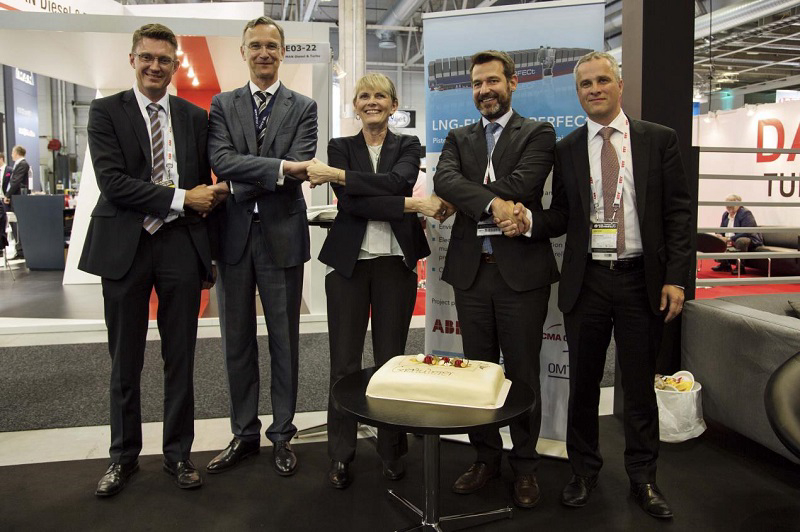
| PERFECt II presentation at Nor-Shipping 2017 (from left to right): Thomas Eefsen, Chief Commercial Officer, OMT; Pierre Sames, Group Technology and Research Director, DNV GL; Barbara Stanley, Vice President Power Generation, Caterpillar Solar Turbines; Julien Bec, Vice President LNG as Fuel GTT; Juha Koskela, Managing Director ABB Marine & Ports |
Phase II of the project looked to validate the phase I results and develop the concept to a “ready to order” stage.
The PERFECt JIP examined the potential of developing an electric-driven 20,000 TEU ultra large container vessel (ULCV) with an LNG-fuelled combined cycle gas and steam turbine (COGES) electric power plant. The goals for the project were to to utilize LNG as a primary fuel for an ultra-low emissions profile, in a design with at least the same carrying capacity and efficiency as existing ULCVs.
“The PERFECt project has brought a new set of expert capabilities together and delivered promising results”, said Gerd Würsig, Business Director for LNG-fuelled ships at DNV GL – Maritime. “The impulse behind this project was the interest in seeing how a modern ultra large container ship design could benefit from clean fuel and highly efficient COGES technology. We have achieved our objectives and now have a validated design concept with enough technical detail to develop a business case.”
The use of a highly efficient combined gas and electric steam turbine (COGES) system, in combination with an all-electric design, offered exceptional performance with several advantages. Propelling the ship with electrical motors enabled the power generation and propulsion systems to be placed in separate sections of the ship. And with the COGES system providing power for both propulsion and auxiliary systems, an engine room was not needed any more. So, the power plant, together with the integrated LNG tanks, could be moved below the deck house – freeing up considerable space for more container slots.
“The COGAS electric propulsion system provides larger flexibility for arrangement of containers in combination with a high overall propulsive efficiency of the vessel,” said Thomas Eefsen, Chief Commercial Officer, OMT.
“GTT is pleased of this partnership with major technical and industrial players to develop the PERFECt project. The results show technical and economic feasibility of the project. Existing technologies can be adopted to make PERFECt II a reality,” declared Julien Bec, GTT, Vice-President of LNG as Fuel directorate.
“It is an honor to be part of the PERFECt Ship consortium. The collaboration, innovation and enthusiasm of all partners has resulted in a highly efficient ship concept that leads the way towards the next generation of ocean transport,” said Barbara Stanley, Vice President, Power Generation and Strategic Development, Solar Turbines Inc. (A Caterpillar Company). “Solar is proud to deliver technical solutions to our customers that are cost-effective and environmentally sensitive. Our SoLoNOx Dry Low Emissions (DLE) Gas Turbines, which operate on LNG, will not only exceed any current marine emission restrictions, but provide a wide margin against anticipated future restrictions. The resulting optimized power generation system is both reliable and highly efficient while being increasingly environmentally friendly.”
“ABB is proud to be part of the PERFECt ship project as it underpins our objective to provide the maritime industry with sustainable solutions. The PERFECt ship is fitted with our custom-made propulsion solutions which combines outstanding propulsion efficiency and excellent manoeuvrability, enabling safe and environmentally friendly vessel operation”, said Juha Koskela, Managing Director, ABB Marine & Ports.
“The PERFECt project impressively demonstrates how the innovative coupling of established technologies can generate new options for marine propulsion,” said Prof. Dr.-Ing. Christoph Pels Leusden, Beuth University of Applied Sciences Berlin.
In addition to the improved overall arrangement of the vessel, a tailored hull shape and new propeller design add to the overall efficiency. The novel hull form with vertical bow is tailormade to the operational profile of the vessel, and with a high efficiency propeller in combination with a contra-rotating pod, the total propulsive efficiency is increased by around 5 per cent.
 |
| Computer rendering of the PERFECt design |
Computer model of the proposed LNG COGES-powered 20,000 TEU vessel.
About ABB
ABB (www.abb.com) is a leading global technology company in power and automation that enables utility, industry, and transport & infrastructure customers to improve their performance while lowering environmental impact. The ABB Group of companies operates in roughly 100 countries and employs about 135,000 people.
About GTT
GTT (Gaztransport & Technigaz) is an engineering company expert in containment systems with cryogenic membranes used to transport and store liquefied gas, in particular LNG (Liquefied Natural Gas). For over 50 years, GTT has been maintaining reliable relationships with all stakeholders of the gas industry (shipyards, ship-owners, gas companies, terminal operators, classification societies). The company designs and provides technologies which combine operational efficiency and safety, to equip LNG carriers, floating terminals, and multi-gas carriers. GTT also develops solutions dedicated to land storage and to the use of LNG as fuel for the vessel propulsion, as well as a full range of services.
GTT is listed on Euronext Paris, Compartment A (ISIN FR0011726835 Euronext Paris: GTT) and is notably included in SBF 120 and MSCI Small Cap indices. For more information, visit www.gtt.fr.
About Solar Turbines (a Caterpillar Company)
Headquartered in San Diego, California, USA, Solar Turbines Incorporated, a subsidiary of Caterpillar Inc., is one of the world’s leading manufacturers of industrial gas turbines, with more than 15,000 units and over 2 billion operating hours in over 100 countries. Products from Solar Turbines play an important role in the development of oil, natural gas and power generation projects around the world. Solar Turbines’ products include gas turbine engines (rated from 1,500-30,000 horsepower), gas compressors, and gas turbine-powered compressor sets, mechanical-drive packages and generator sets (ranging from 1-22 megawatts).
About CMA CGM and its subsidiary CMA Ships
Now headed by Rodolphe Saadé from its base in Marseille, the CMA CGM Group is present in more than 160 countries through its network of over 755 agencies, with more than 29,000 employees worldwide (4,500 in France).
With a young and diversified fleet of 445 vessels, the CMA CGM Group serves over 420 of the world's 420 commercial ports. Through more than 200 shipping lines, the company operates on every one of the world's seas. Its global presence and efficient ships like the CMA CGM BOUGAINVILLE enabled the CMA CGM Group to transport a volume of 15.6 million TEUs last year.
There are 2,300 staff members working at the Group's head office, the CMA CGM Tower in Marseille. It is a building worthy of a major player in the French economy. The Group has 6,300 French customers and CMA CGM is the largest private employer in Marseille, the city where the company was founded in 1978.
About OMT
Odense Maritime Technology (OMT) is a ship design and consultancy company, building on the heritage and design experience of the former Odense Steel Shipyard in Denmark. Key focus areas for OMT are design of cost-effective and fuel-efficient ships. The product range includes container ships, bulk carriers, gas tankers, offshore supply vessels, tugs and navy ships. Another key focus area is retrofitting of existing vessels to improve fuel efficiency and ensure compliance with new regulations. OMT has around 150 employees with offices in Denmark, China, India and Canada.
About DNV GL
Driven by our purpose of safeguarding life, property and the environment, DNV GL enables organizations to advance the safety and sustainability of their business. We provide classification, technical assurance, software and independent expert advisory services to the maritime, oil & gas and energy industries. We also provide certification services to customers across a wide range of industries. Operating in more than 100 countries, our professionals are dedicated to helping our customers make the world safer, smarter and greener.
About DNV GL – Maritime
DNV GL is the world’s leading classification society and a recognized advisor for the maritime industry. We enhance safety, quality, energy efficiency and environmental performance of the global shipping industry – across all vessel types and offshore structures. We invest heavily in research and development to find solutions, together with the industry, that address strategic, operational or regulatory challenges. For more information visit www.dnvgl.com/maritime
The Celestyal Nefeli hosts the Heineken Champions League
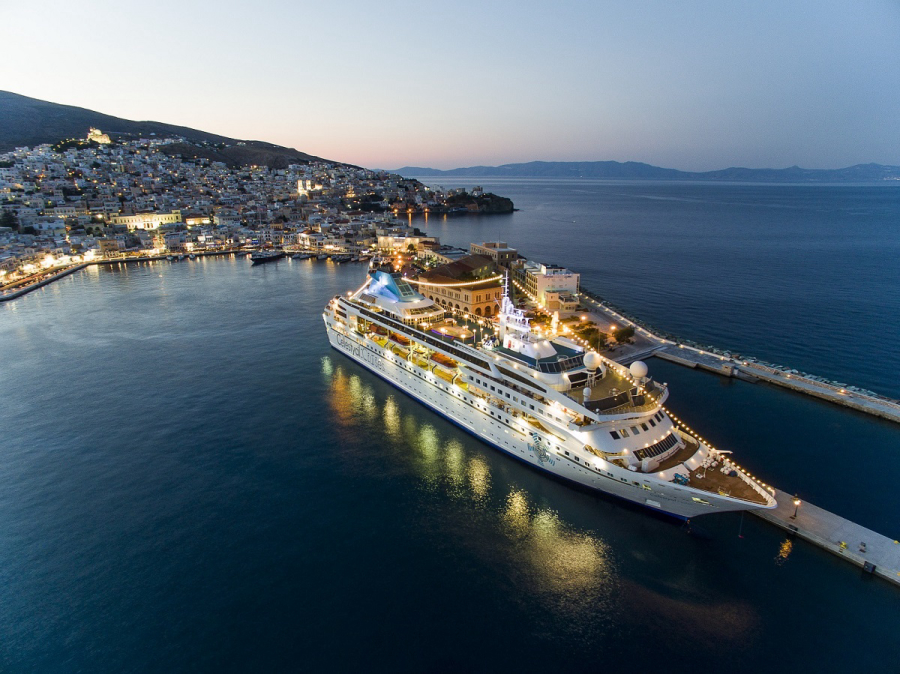
Piraeus, Greece: Celestyal Cruises, one of the only cruise lines based in Greece, announces that the Celestyal Nefeli will host the Heineken Champions Voyage, which will take place in Greece for the first time ever. More than 500 lucky passengers from all over the world will watch the 2017 UEFA Champions League final on the Nefeli during a unique cruise to beautiful Mykonos.
 |
| Celestyal Nefeli |
The Celestyal Nefeli will embark from the port of Piraeus on 3 June 2017 with consumers, international football representatives and journalists, all of whom will enjoy an onboard presentation of the 2017 UEFA Champions League final and a special cruise to experience the beauty of Mykonos. The Heineken Champions Voyage is an established international event and will be part of an integrated campaign across more than 50 countries to promote Greece and Mykonos.
"We are delighted to participate in this international event, especially the opportunity to promote the beauty of our country and the authentic Greek hospitality we provide to our passengers,” said Kerry Anastassiadis, CEO of Celestyal Cruises and Chairman of CLIA Europe. “The 2017 Heineken Champions Voyage is an important initiative to present cruising, a rapidly emerging sector of the tourism industry, as the ideal choice for travelers, one that combines a holiday with entertainment. We are certain Heineken’s guests will truly enjoy the trip, the cosmopolitan environment of Mykonos and this unique celebration of football.”
About Celestyal Cruises
Celestyal Cruises is one of the only cruise lines based in Greece. The company’s main ports of call are the Greek Islands and Cuba, where it sails 7-day cruises year-round. Celestyal Cruises operates five mid-sized vessels, each one cozy enough to enable its crews to provide genuine and highly-personalized service to the company’s passengers. The foundation of the company’s philosophy is the ‘destination’: every cruise is focused on true cultural immersion and the provision of authentic, lifetime experiences, both on board and onshore.
Corporate Responsibility
Celestyal Cruises is deeply committed to sustainability and ethical business practices. The company actively supports the local communities in the destinations it visits, particularly in the field of education. Since 2015, more than 1,200 students on the Greek islands of Milos, Patmos and Ios have enjoyed a ‘journey to knowledge’, by attending specialized educational programs, initiated by Celestyal Cruises. Additionally, Celestyal Cruises supports cultural NGOs; while promoting youth entrepreneurship, marine student development and child welfare.
ISO Certification
The entire spectrum of Celestyal Cruises’ ship management, including technical, hotel and crew management, and offices, are certified in accordance with ISO 9001/14001 standards. The certifying authority is DNV-GL, which is widely recognized as the largest and most respected rating agency in the marine industry.
Awards & recognition
In 2017 Celestyal Cruises received four Cruisers’ Choice Awards from Cruise Critic, the world’s largest online cruise community: ‘Best’ in the mid-sized category, for ‘Embarkation’, ‘Entertainment’, ‘Shore Excursions’ and ‘Value’. At the Greek Tourism Awards 2017 the company won five awards, an indication of its dynamic presence in the cruise sector and the great value it provides its customers. Specifically, the company won the Gold Award in the following categories: ‘Tourism Season Expanding Initiatives-Greek Tourism Product Enrichment’, ‘Guest Service Excellence’, ‘Gastronomic Tourism’ and ‘Corporate Identity-Corporate Reputation Management-Branding’; the company also won a silver award in the ‘Integrated Marketing Campaign’ category.
Connect with Celestyal Cruises:
Facebook, Instagram, Twitter, LinkedIn
DNV GL looks to a greener 2050 with greenhouse gas model for shipping
 |
| DNV GL Low Carbon Shipping towards 2050 |
“Despite the challenges facing our industry, we believe it is technically possible for shipping to achieve substantial GHG reductions, provided a viable strategy is developed and adopted from within the industry itself,” says Christos Chryssakis, Group Leader Energy Efficiency & Fuels at DNV GL. “But for such a strategy to be both successful and minimally disruptive, it should recognise the differences between the various shipping segments and the need to develop appropriate solutions for different ship types, sizes and types of operation.”
The objective of the new report (“Low Carbon Shipping towards 2050”) is to assess the potential for realistic GHG reductions from shipping heading to 2050, considering a variety of possible trade growth scenarios in the various ship segments. The level of reduction will depend on the availability of the technological solutions in each segment, their reduction potential and rate of uptake. In turn, uptake will depend on the cost and expected payback of each technology, combined with the investment horizon of ship owners.
These factors are included in the model developed by DNV GL, which uses AIS data to create a fuel consumption and emissions baseline. The global fleet is divided into 47 ship segments based on vessel type and size, with fuel consumption estimated for every vessel individually. For each vessel in the fleet the model makes a cost-benefit calculation for a set of alternative fuel options and energy efficiency measures and then re-calculates the global level of fuel consumption and emissions.
“We have developed the model to be useful for many different stakeholders,” continues Christos Chryssakis. “From ship owners trying to identify optimum solutions, authorities developing strategies and supporting mechanisms for cutting emissions, through to policy makers looking for reduction strategies on a global level, the model can promote informed decision making to ensure that shipping remains the world’s largest and most environmentally friendly transport sector.
“Low Carbon Shipping towards 2050”
About DNV GL
Driven by our purpose of safeguarding life, property and the environment, DNV GL enables organizations to advance the safety and sustainability of their business. We provide classification, technical assurance, software and independent expert advisory services to the maritime, oil & gas and energy industries. We also provide certification services to customers across a wide range of industries. Operating in more than 100 countries, our professionals are dedicated to helping our customers make the world safer, smarter and greener.
About DNV GL – Maritime
DNV GL is the world’s leading classification society and a recognized advisor for the maritime industry. We enhance safety, quality, energy efficiency and environmental performance of the global shipping industry – across all vessel types and offshore structures. We invest heavily in research and development to find solutions, together with the industry, that address strategic, operational or regulatory challenges. For more information visit www.dnvgl.com/maritime
Gazprom, DEPA, and Edison ink Agreement of Cooperation on the southern route for Russian gas supplies to Europe
 |
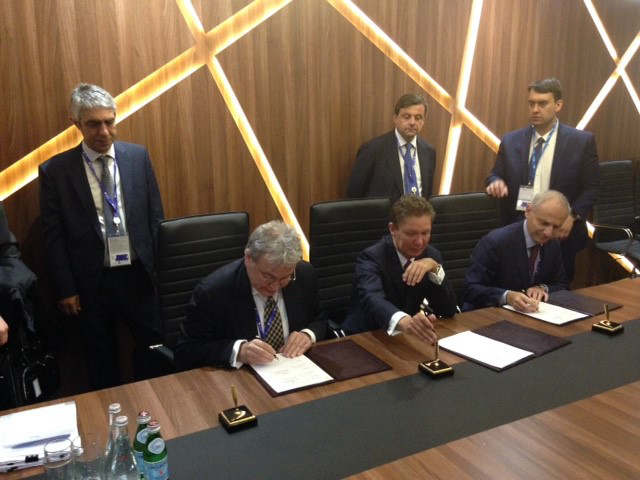
George Tsipras, Secretary General for International Economic Relations at the Ministry for Foreign Affairs of the Hellenic Republic also attending the signing ceremony.
The document envisages joint efforts aimed at establishing a southern route for Russian gas supplies from Russia to Europe, which will run across Turkey and Greece to Italy. The three companies will coordinate the development and implementation of the TurkStream project and of the Poseidon project from the Turkish/Greek border to Italy, in full compliance with relevant applicable legislative framework. In addition, the Agreement formalizes the arrangements on expanding cooperation in the field of Russian gas deliveries.
Background
On February 24, 2016, Gazprom, Edison, and DEPA signed the Memorandum of Understanding on natural gas deliveries from Russia across the Black Sea and third countries to Greece and from Greece to Italy in order to set up a southern route for Russian gas supplies to Europe.
DEPA with its long presence in Greece’s gas market constitutes a modern and competitive group of companies with a dynamic presence in the energy sector. DEPA promotes strategic infrastructure in order to supply natural gas at competitive prices from diversified sources and routes with a view to assuming a leading role in the markets of the broader S.E European region.
Edison is a leading Italian and European player in the procurement, production and sale of electricity, in the provision of energy and environmental services and in the E&P sector.
Founded over 130 years ago, Edison has contributed to the country’s electrification and development. Today it operates in Italy, across Europe and in the Mediterranean basin, employing 5,000 people. In the popower generation sector, Edison has plants with total capacity of 6.5 GW.
The Poseidon pipeline is an import gas project designed and authorized to connect the Greek and Italian gas systems.
The Project will be further extended for allowing directtransportation into Italy of gas sources available at the Turkish/Greek borders, substantially contributing to the European energy targets on security of supply.
Qatar Wants to Stay Top in LNG
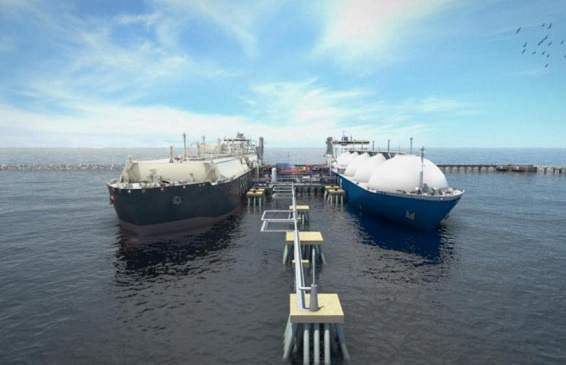
Qatar, the top LNG producer with a capacity of about 77 Mtpa, is facing a growing competition from new LNG sources including Australia and the U.S.
The state-owned company has asked Chiyoda for a detailed study to identify modifications that are required to reduce any bottlenecks limiting the capacity of Qatar’s LNG trains in Ras Laffan.
Qatar Petroleum plans to process additional gas from nation's planned new North Field gas project with a capacity of about two billion cubic feet per day for export.
The study is expected to be completed before the end of this year.
“This agreement provides Qatar Petroleum with the option of increasing its LNG production with minimum investment, by leveraging the existing massive, world-class infrastructure and valuable synergies available in Ras Laffan Industrial City,” said Saad Sherida Al-Kaabi, Qatar Petroleum’s Chief Executive.
“Qatar Petroleum is determined to continue its lead position in the gas industry with its expansion plans, both inside and outside the State of Qatar.”
www.maritime-executive.com
Indexing The Changes: Tanker Earnings In Context
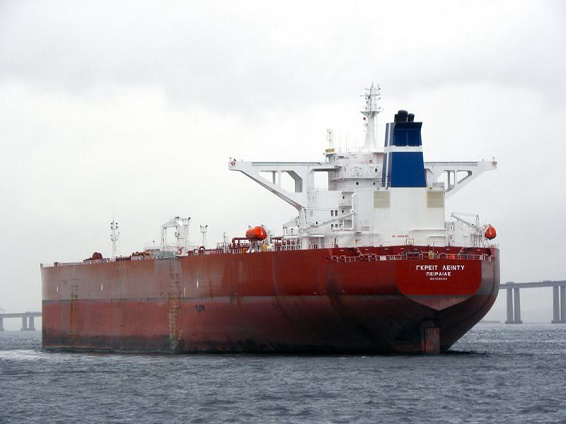
Taking a look at earnings in some of the major tanker sectors since the start of 2009, it is apparent that there have been some rather large fluctuations within this period itself, but how can these be put in context?
 |
One way of comparing the health of tanker earnings across different vessel types is to create an index calculating the ratio of average spot earnings to estimated operating expenses (OPEX). The result is a percentage representing earnings as a multiple of OPEX. For instance, an index of 100\% implies that earnings equal operating costs. A range of these indices are illustrated on the Graph of the Month, but what story do they tell?
Above Average Performance?
Comparing the recent tanker ‘upturn’ period (roughly from Q4 2014 to Q1 2016), to 2009-17 ytd as a whole, it is apparent that during the former, the tanker market performed strongly. The ‘upturn’ followed the oil price crash, with subdued oil prices spurring inventory building and boosting tanker demand. During the ‘upturn’, the index was almost double the average level in 2009-17 ytd across each of the featured vessel sectors.
Who Struck Gold?
Assessing performance across the sectors during the ‘upturn’ of Q4 2014 to Q1 2016, VLCCs topped the table with an index of 594\%, earning on average almost six times their OPEX. By the end of 2015, VLCC earnings were over $100,000/day. The Suezmax and Aframax sectors weren’t far behind, with average ‘upturn’ indices of 476\% and 447\% respectively. However, MRs lagged behind, earning less than three times their OPEX. Evidently, the larger crude tankers outshone their smaller products counterparts considerably during the ‘upturn’. For instance, the increase in the index for a VLCC in the ‘upturn’ from 2009-17 ytd as a whole was nearly 300\%, almost three times greater in magnitude than that for an MR. This was aided by favourable fundamentals, with crude fleet growth of 0.8\% in 2015 compared to 5.9\% in the products fleet.
Where Are We Now?
So far in 2017, the tanker market has eased back further, with the indices for the major tanker sectors having fallen by around half since the ‘upturn’. Firm crude tanker deliveries of over 10m dwt in the first four months of 2017 have driven crude fleet growth of a robust 2.4\% since the start of the year. Output cuts by major exporters have also contributed to weaker fundamentals, and all featured sectors currently have indices below the post-downturn average (although earnings still remain above OPEX).
So, the index featured here allows for the relative performance of vessel earnings over time and across sectors to be put in context. Post-downturn there has still been a high degree of fluctuation in tanker earnings and although market performance appears to have eased back lately, recent history offers an example of significant upside too.
Source: Clarksons
SetelHellas and Hellenic Radio Services jointly support and sponsor the 50th golden anniversary of Andros International Yacht Race.
 |
Greece Seeks to Lure U.K.-Based Shipowners, Brokers on Brexit
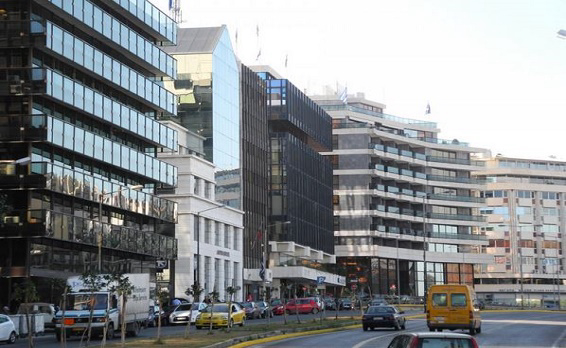
“We’re in contact with five large ship-insurance brokers who are considering various EU member countries for the transfer of their headquarters,” Shipping Minister Panagiotis Kouroumblis said in an interview in Piraeus, Greece’s biggest port. Kouroumblis declined to name the firms as the talks are private. “We’ll meet by the latest in June to discuss the terms they’d like in order to choose Greece,” he said.
The government has also asked U.K.-based Greek shipowners to consider returning their headquarters to Greece after Brexit, even though the country can offer little in the way of financial incentives given its tight financial situation, the minister said. Greece will instead attempt to appeal to the shipowners’ patriotism, he said.
Greece is the world’s largest ship-owning nation, accounting for over 16 percent of the global merchant fleet ahead of Japan and China, according to the United Nations. Greek-owned vessels account for 22 percent of the world fleet and 50 percent of the EU’s maritime carrying capacity, Kouroumblis said.
The government wants Piraeus to become “one of the world’s largest shipping centers and a modern maritime cluster,” Kouroumblis said. “We want to create a service center for shipping in Piraeus,” he said.
Cruise Operations
Shipping contributes around 7 percent to Greece’s economic output, and the government also wants to boost shipping-related activities like vessel repair and sees opportunities from cruise operations and yachting at regional ports, especially for so-called home porting, where cruises begin and end at a given harbor, Kouroumblis said.
Greece hosted over 4 million cruise ship passengers in 2015, making it the third-most popular destination in Europe after Italy and Spain. Direct spending from cruise activities brought in 489 million euros ($547 million), according to the latest data from the Cruise Lines International Association.
Since Greece needs to improve infrastructure to accommodate new ships with capacity of more than 4,000 passengers, the government will ask cruise operators “to invest in those ports that interest them in return for incentives, including favorable port fee arrangements,” Kouroumblis said. There’s already interest in Santorini, Lavrio and Katakolon, he said. Royal Caribbean Cruises Ltd, MSC Cruises SA and Norwegian Cruise Line Holdings Ltd all feature Santorini on their summer schedules.
The shipping ministry is also working with the Hellenic Capital Markets Commission to attract Greek shipowners to the Athens exchange, rather than other bourses, to issue a bond. There’s interest from two or three large Greek shipping companies, Kouroumblis said. “We’ll perhaps see the first such bond issue in September.”
source:www.bloomberg.com

Powered by  © Μaritimes 2019